Modern Office Painting in Australia - It's the Real Game Changer
- Written by: Modern Australian
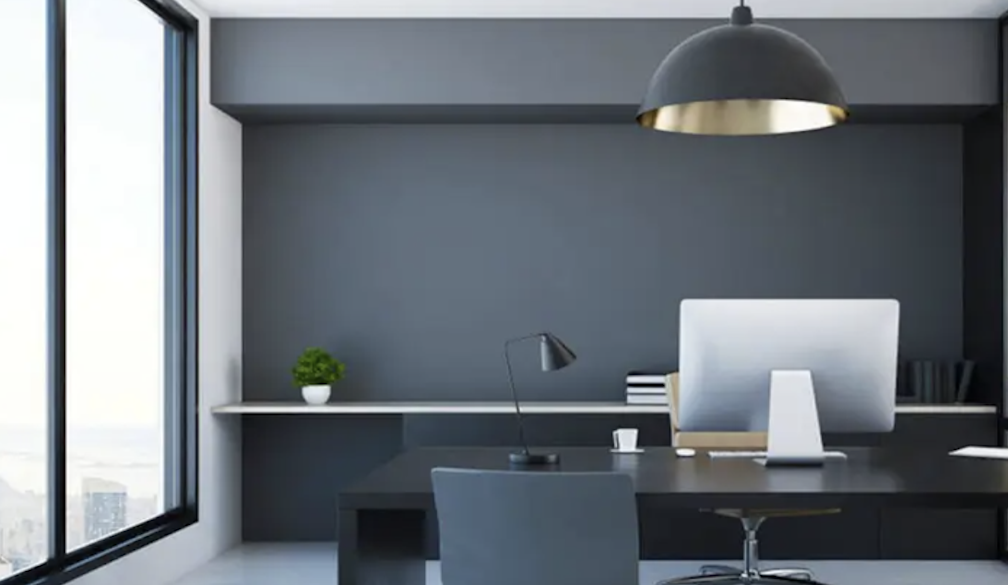
Walk into any modern Australian office today and you'll be struck by the fact it's a whole different beast from the ones we grew up with. Gone are the dull beige walls and dodgy fluorescent lights, replaced with a calm, soothing atmosphere created by carefully chosen colours that reflect a business brand, productivity and overall wellbeing.
Modern office painting in Australia has become a strategic design move, rather than just some cosmetic tweak. From the likes of Sydney CBD fit-outs to the suburban business parks in Melbourne, Brisbane & Perth, businesses are using paint to nudge how people feel, think and work.
Why Office Painting Has Never Been More Crucial
Over the past decade, Australian workplaces have undergone a revolution. Hybrid work, open-plan layouts, and wellness-focused design have all had a major influence on just how offices get planned – and painted.
Paint now plays a role in:
- Boosting employee focus and productivity
- Shaping how clients and visitors perceive a business
- Creating flexible zones within open spaces
- Boosting light reflection and energy efficiency
A nice, well-done paint job can instantly modernise an office, without the cost and hassle of a full overhaul.
The Big Trends in Modern Office Colour in Australia
Australian offices tend to navigate global design trends, while keeping an eye on what works in our own backyard, light, space and practicality are everything.
Neutral foundations
Soft whites, warm greys and muted taupes are the bread and butter of modern offices. These tones do a great job of reflecting natural light, making spaces feel bigger and more relaxed, especially in high-density city offices.
Feature walls that serve a purpose
Deep blues, forest greens, terracotta, and charcoal are often used for:
- Boardrooms
- Reception areas
- Collaboration zones
Rather than overwhelming the space, feature walls help define areas within open-plan layouts.
Brand-aligned colour palettes
More and more companies are using their brand colours in a more subtle way – not loud logos plastered on every wall, but toned-down shades that reinforce identity without drawing attention away from other things.
Painting for Different Office Zones
Modern offices aren't one-size-fits-all spaces. Each zone has its own special function, and paint choices should reflect that.
Reception and waiting areas
First impressions are everything. Clean finishes, consistent colours and durable coatings all help create a super-professional and welcoming atmosphere.
Workstations and open-plan areas
Calm colours reduce visual clutter and help staff maintain focus. Light neutrals with soft contrast are ideal here.
Meeting rooms
Blues and greens are popular for meeting spaces, as they promote clarity, calm thinking and better communication.
Breakout and wellness spaces
In these areas you can get a bit more creative, warmer tones or subtle colour variation can really help staff switch gears mentally.
Low-VOC and Eco-Friendly Paints in Australian Offices
Being a good corporate citizen is no longer optional. A growing number of Australian businesses are prioritising:
- Low-VOC or zero-VOC paints
- Environmentally responsible paint systems
- Improved indoor air quality for staff
This is especially important in offices where painting happens while parts of the workspace remain operational. Modern water-based paints make it a lot easier to get back to work with minimal disruption or odour.
Why Professional Office Painting Matters
Office painting is a different ball game from residential work. Timing, safety, coordination and finish quality all need to be taken into account.
Professional office painters in Sydney know when:
- To paint after hours and stage the job to avoid downtime
- To work safely around staff, IT systems and furniture
- To prep the surface properly for long-lasting results
- To get a consistent finish across massive wall areas
A rushed or poorly planned paint job can quickly show its wear and tear, reflect badly on the business and cost more to fix later.
For companies in New South Wales looking for reliable results, companies like Painters Link have built a reputation as a trusted painting company in Sydney by delivering high-quality office and commercial painting projects with minimal disruption to daily operations.
Office Painting and Productivity: The Human Touch
Its easy to underestimate the impact colour has on people. Time and time again, studies show that workplace design influences mood, energy levels and even staff retention.
A well thought out paint job can:
- Cut down on eye strain with better light reflection
- Lower stress through calming colour choices
- Encourage collaboration through defined spaces
- Help employees feel valued and comfortable
In competitive job markets across Australia, workplace presentation has become part of an employer's brand.
Putting a Modern Office Painting Project Together
Before picking up a paint brush, successful office painting projects start with a bit of planning.
Key considerations include:
- Business hours and access restrictions
- Furniture protection and relocation
- Colour testing under actual office lighting
- Compliance with building management requirements
A clear scope and timeline to ensure the project runs smoothly and finishes on time.
The Long-Term Value of Quality Office Painting
While painting may seem like a short-term aesthetic decision, the right materials and workmanship deliver long term value.
High quality commercial coatings:
- Can resist scuffs and marks in high traffic areas
- Maintain colour consistency over time
- Reduce the frequency of repaints
- Support a polished, professional image
For growing businesses, a well-maintained office adapts more easily to future layout changes or rebranding.
Final Thoughts
Modern office painting in Australia has moved on from just slapping on some fresh paint - its now about bringing offices to life that create great vibes, match a company's values, and give businesses an edge over the competition.
Getting a small office or a big corporate fitout just right can make all the difference - it comes down to picking the right colours and bringing in the right crew. With a bit of planning and some quality painters on the job, a coat of paint can transform an office from a ordinary space to some where people love coming to work. To find the best Perth commercial painters, click here!