

Avoiding single-use plastic was becoming normal, until coronavirus. Here's how we can return to good habits
- Written by: Kim Borg, Research Fellow at BehaviourWorks Australia, Monash Sustainable Development Institute, Monash University
As COVID-19 restrictions start to ease, we’re unlikely to return to our previous behaviours, from our work-life balance to maintaining good hygiene.
But there are downsides to this new normal, particularly when it comes to hygiene concerns, which have led to an increase in an environmental scourge we were finally starting to get on top of: single-use plastics.
We’ve recently published research based on data collected in mid-2019 (before COVID-19). Our findings showed that not only were people avoiding single-use plastics most of the time, but one of the biggest motivators was knowing others were avoiding them too. Avoidance was becoming normal.
Read more: Using lots of plastic packaging during the coronavirus crisis? You're not alone
But then COVID-19 changed the game. Since the pandemic started, there has been a significant increase in plastic waste, such as medical waste from protective equipment such as masks, gloves and gowns, and increased purchases of sanitary products such as disposable wipes and liquid soap.
The good news is we can return to our plastic-avoiding habits. It just might look a little a different.
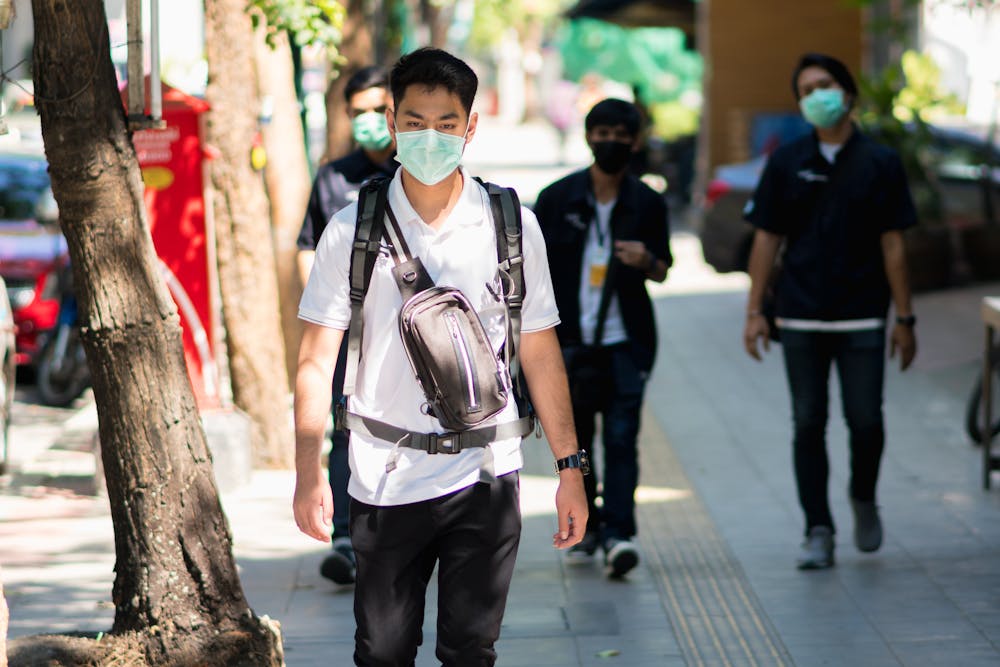 As we needed to protect ourselves with masks, we added to the waste crisis.
Shutterstock
As we needed to protect ourselves with masks, we added to the waste crisis.
Shutterstock
Avoidance was more normal than we realised
In our representative survey of 1,001 Victorians, we asked people about their behaviours and beliefs around four single-use plastic items: bags, straws, coffee cups and take-away containers.
We found people’s beliefs about how often others were avoiding these items was one of the strongest predictors of their own intentions.
Other influences that predicted intentions included personal confidence, the perceived self and environmental benefits and financial costs associated with avoidance, and whether others would approve or disapprove of the behaviour.
Read more: Coles says these toys promote healthy eating. I say they're rubbish
While beliefs about other peoples’ behaviour was one of the strongest predictors of intentions, there was still a gap between these beliefs and reported behaviour.
On average, 70% of our sample reported avoiding single-use plastics most of the time. But only 30% believed others were avoiding them as often.
Thankfully, our findings suggest we can encourage more people to avoid single-use plastics more often by sharing the news that most people are doing it already. The bad news is that COVID-19 has increased our reliance on single-use items.
Some single-use is necessary during a pandemic
Just when avoidance was becoming normal, the pandemic brought single-use plastics back into favour.
Despite the fact the virus survives longer on plastic compared to other surfaces and a lack of evidence that disposable items are any safer than reusable ones, many businesses are refusing to accept reusable containers, such as coffee cups.
 Cafes have refused reusable cups to try to maintain better hygiene.
Shutterstock
Cafes have refused reusable cups to try to maintain better hygiene.
Shutterstock
Overseas and in Australia, some government departments delayed upcoming bans on single-use plastics and others overturned existing single-use plastic bag bans.
So even if consumers want to avoid single-use plastics, it’s not as easy as it used to be.
Avoiding plastic can still be part of the new normal
It is still possible to avoid unnecessary single-use plastic right now. We just need to get creative and focus on items within our control.
We can still pack shopping in reusable bags, make a coffee at home in a reusable cup, carry reusable straws when we go out – just make sure to wash reusables between each use.
Read more: How recycling is actually sorted, and why Australia is quite bad at it
Many Victorians can even order delivery take-away food in reusable containers, thanks to the partnership between Deliveroo and Returnr, the reusable packaging scheme. Boomerang Alliance also produced guidelines for sustainable take-away options, including practical tips for contactless transfer of food.
Our research focused on public single-use plastic avoidance behaviours, but now is a good time to look at private ones too.
There are plenty of single-use plastics in the home: cling wrap, coffee pods, shampoo and conditioner bottles, disposable razors and liquid soap dispensers to name a few.
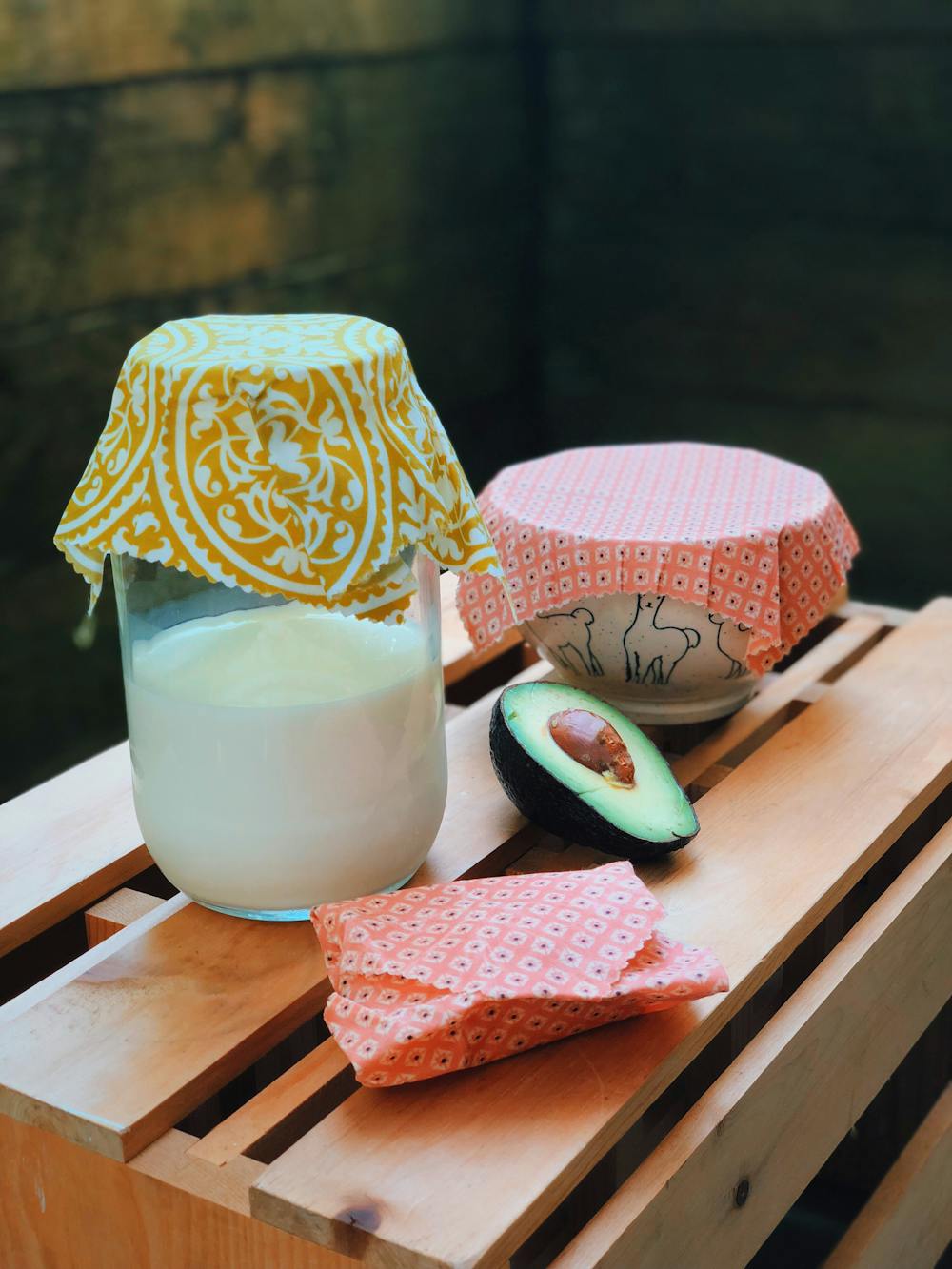 Using reusable wraps for your food is a much better alternative than single-use cling wrap.
Shutterstock
Using reusable wraps for your food is a much better alternative than single-use cling wrap.
Shutterstock
But you can find reusable alternatives for almost everything: beeswax or silicone wraps, reusable coffee pods, shampoo and conditioner bars, reusable safety razors and bars of soap, rather than liquid soap.
Buying cleaning products in bulk can also reduce plastic packaging and keeping glass jars or hard plastic containers are great for storing leftovers.
Read more: There are some single-use plastics we truly need. The rest we can live without
Just because we’re in a period of change, doesn’t mean we have to lose momentum. Single-use plastics are a huge environmental problem that we can continue to address by changing our behaviours.
Many are calling on governments, businesses and individuals to use the pandemic as an opportunity to look at how we used to do things and ask – is there a better way?
When it comes to single use plastics during COVID-19, we can’t control everything. But our actions can help shape what the new normal looks like.
Authors: Kim Borg, Research Fellow at BehaviourWorks Australia, Monash Sustainable Development Institute, Monash University


















