

What are you really eating? How threatened ‘seafood’ species slip through the law and onto your plate
- Written by: Leslie Roberson, PhD Candidate, The University of Queensland
Many exotic animals are banned from import into Australia because they’re threatened with extinction, and trading them is illegal under environment laws. Yet boatloads of threatened marine species are legally brought into Australia, and may end up on your plate.
Our research examined global seafood data and found 92 threatened species reported in industrial catch records. This includes 11 critically endangered species, such as Nassau grouper and Southern bluefin tuna.
On average, Norway and Russia catch the largest number of threatened species, while UK and Germany import the most. China, the US and Thailand also rank high on the list of importers.
We found 92 endangered and 11 critically endangered species of seafood caught in oceans around the world.Australia is not at the top of the list. But our research found it’s been recorded catching 15 threatened species, and importing eight. This is shameful and unnecessary. Australia has many sustainable seafood options, well-managed fisheries, and the resources to improve both — if only we could muster the political will.
Our laws fail marine wildlife
Australia has one of the highest extinction rates of any country in the world. The main legislation meant to reverse the declines in Australia’s threatened species, the Environment Protection and Biodiversity Conservation (EPBC) Act, is under review, with the final report due this month.
The EPBC Act regulates illegal wildlife trade, but animals such as cod, lobsters and sea cucumbers receive far less protection.
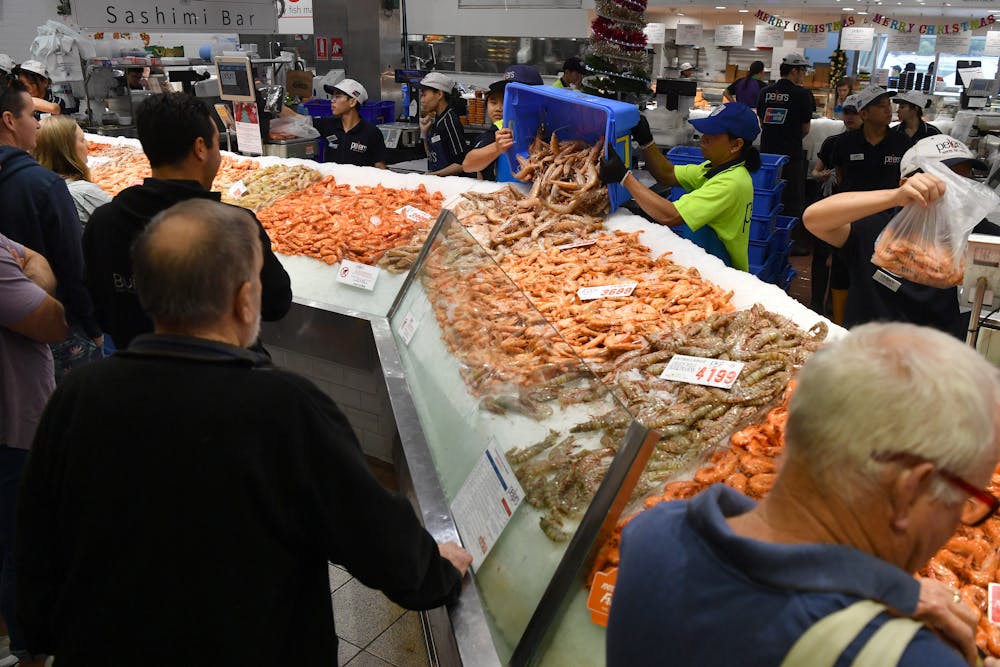 Seafood usually does not have to be labelled according to its species.
AAP Image/Dean Lewins
Seafood usually does not have to be labelled according to its species.
AAP Image/Dean Lewins
The act regulates some threatened marine species under a “no take” rule that bans their sale or export, but allows “accidental” catch. But some species are instead categorised as “conservation dependent”, which bypasses the no-take restrictions. These include the critically endangered school sharks and scalloped hammerheads.
Under Australian law, these species can be caught in Australian waters and exported or sold domestically because there are conservation measures in place to protect them – even if there’s no evidence those management actions have stabilised or increased their populations.
Read more: Here's the seafood Australians eat (and what we should be eating)
Both school sharks and scalloped hammerheads appear in Australia’s reported catch and import data, along with several other threatened sharks (including dusky, shortfin mako and porbeagle sharks) and the three species of threatened tunas (Southern bluefin, Pacific bluefin and bigeye tuna).
Tracking threatened species: a logistical nightmare
The plight of charismatic seafood species such as sharks and tuna is starting to get some public attention.
But what about less charismatic species – such as those that are slimy or don’t have eyeballs, like scallops or monkfish? These species get very little attention from the public, or even from conservationists.
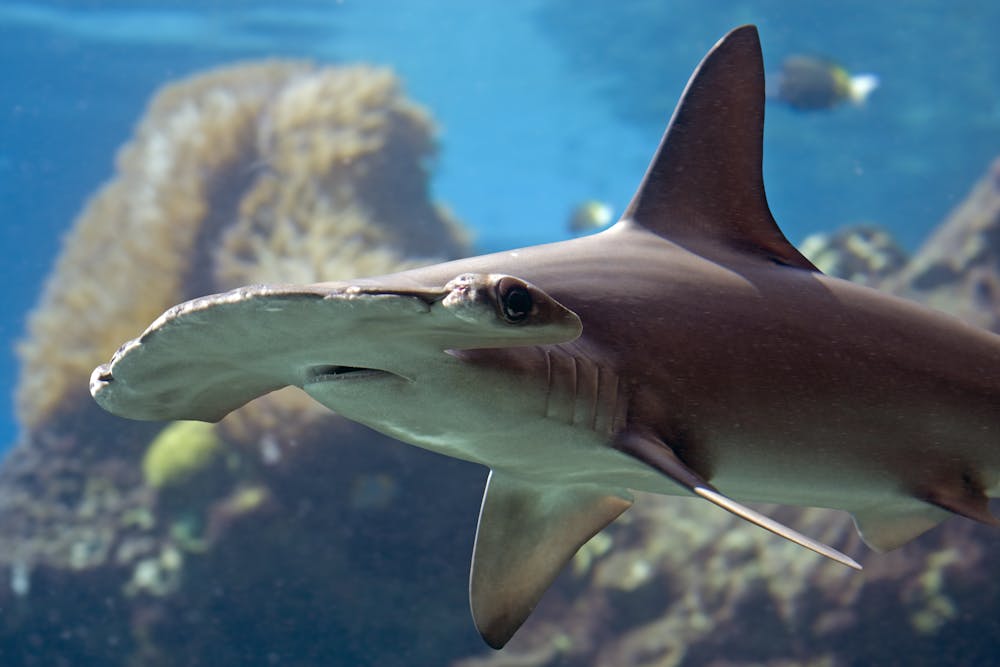 The critically endangered scalloped hammerhead shark was among the threatened species in Australia’s catch records.
Shutterstock
The critically endangered scalloped hammerhead shark was among the threatened species in Australia’s catch records.
Shutterstock
In larger industrial fisheries, target species (what the fishers are meant to be going for) are generally recorded to the species level (for example, bigeye or yellowfin tuna).
But species not listed as targets (or not endearing enough to have a conservation following) may get recorded in vague groups like “tunas and billfishes” or “sharks and rays”.
Even worse, almost 10% of the global catch volumes in our data were reported under the group “miscellaneous marine fishes”. Because it’s legal to sell seafood with murky labels like “whitefish”, the industry doesn’t need to identify all the poorly known, strange-looking critters coming up in their nets.
Read more: What's on your plate? How certification can prevent seafood fraud
Our research considered only species-level records from industrial fisheries. This means our estimates were conservative — many more threatened species could be slipping through the cracks.
What’s more, much of our seafood travels through complex processing loops before arriving at a restaurant or distributor. A vessel fishing in Country A’s waters might be registered in Country B, owned by someone from Country C, with crew from Country D, catching fish processed and sold in many other countries.
Part of that fish might even be imported back into Country A. This adds to the difficulty of tracing seafood around the world.
 Tracing seafood back to its origin and species is difficult when it passes through so many hands.
Shutterstock
Tracing seafood back to its origin and species is difficult when it passes through so many hands.
Shutterstock
What must be done?
Improving the tangled web of our seafood production will require national and international policy action. But awareness from seafood consumers, which has led to positive industry change in the past, will be critical to further improvements.
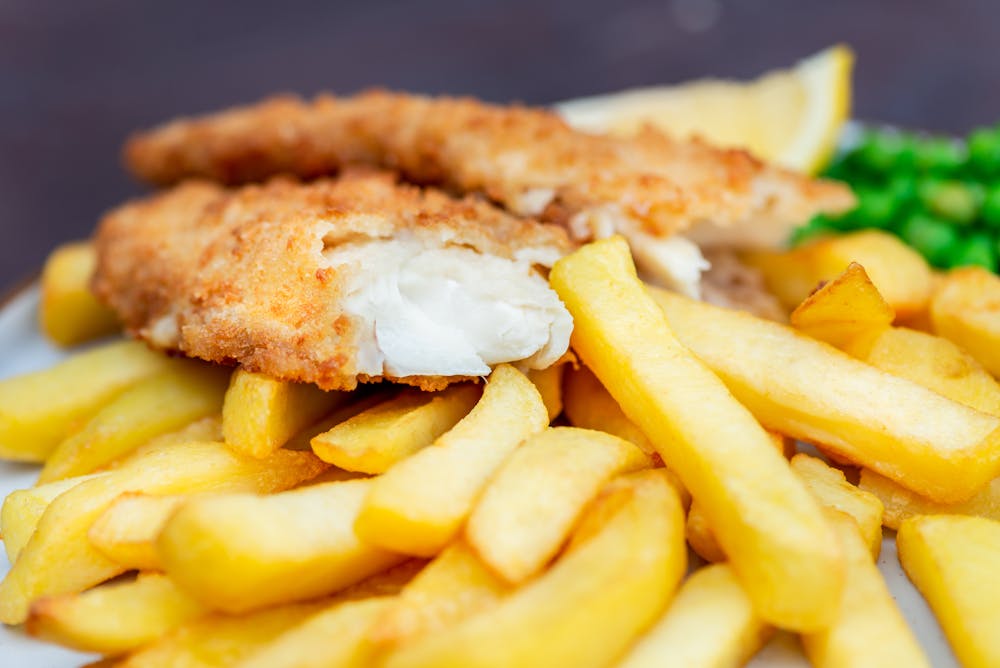
To make sure we’re not potentially eating an endangered Nassau grouper or hammerhead shark in our fish and chips, seafood needs to be (accurately) labelled with:
- the species — bigeye tuna, not “tuna”
- where it was caught — Queensland, not just “wild caught”
- how it was caught — pole-and-line, not just “dolphin-safe”
- the company responsible for the fishing.
It’s also vital to tighten loopholes and increase enforcement of national biodiversity protections, such as in the EPBC Act, and in food labelling laws, such as the Australian Fish Names Standard and country of origin labelling.
These key reforms will help bring sustainable and traceable seafood onto your plate.
Authors: Leslie Roberson, PhD Candidate, The University of Queensland


















