

media need to reframe their representation of Aboriginal deaths in custody
- Written by Amanda Porter, Senior Fellow (Indigenous Programs), The University of Melbourne
Cultural warning: This article contains names and images of deceased Aboriginal and Torres Strait Islander people. This article also contains links to graphic footage of police violence.
This month marks 30 years since the final report of the Royal Commission into Aboriginal Deaths in Custody. The report consists of five volumes, several regional reports and 339 recommendations. It included 99 individual death reports of Aboriginal deaths in custody that occurred between January 1 1980 and May 31 1989.
Numbers 205-208 of these recommendations address ethical ways the media should report on Aboriginal affairs. The way Aboriginal deaths in custody are reported can cause distress for affected families and communities, and fuel racial biases and prejudices among non-Indigenous Australians.
The Black Lives Matter movement has highlighted the media’s tendency to frame Indigenous stories through a deficit lens. However, misrepresentation of Indigenous people in the media also has potential to influence acts of harm. As the National Inquiry into Racist Violence in Australia was told three decades ago,
the media may generate a climate which provides legitimacy for racist violence.
Earlier this month, the Sydney Morning Herald published an article by commentator Anthony Dillon. It illustrated how prevalent misinformation and inaccuracies still are in the way the media discuss Aboriginal deaths in custody.
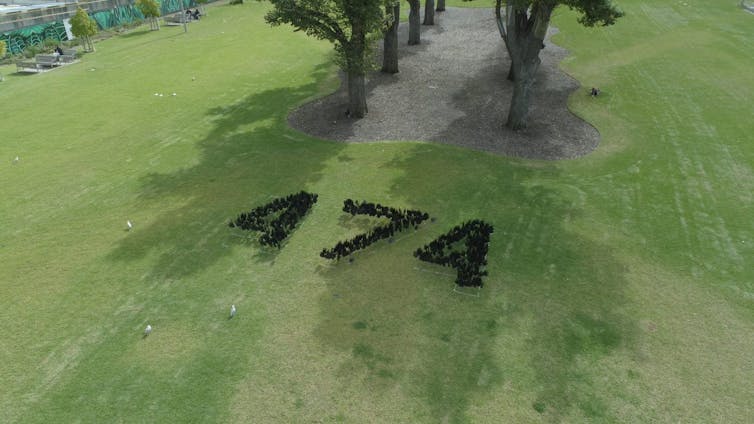 474 Aboriginal deaths in custody have occurred since the royal commission tabled its report in 1991.
Supplied by author, Author provided (No reuse)
474 Aboriginal deaths in custody have occurred since the royal commission tabled its report in 1991.
Supplied by author, Author provided (No reuse)
Myth: Aboriginal deaths in custody rates are not high
Some in the media tend to downplay the rate at which Indigenous people are dying in custody. Examples of this include Dillon taking issue with Senator Pat Dodson’s characterisation of Aboriginal deaths in custody as a “festering crisis.” Another is Herald Sun columnist Andrew Bolt stating Aboriginal deaths in custody claims are “wildly exaggerated”.
The reality is the rate of Aboriginal deaths in custody remains a source of national shame, with 474 deaths since the Royal Commission into Aboriginal Deaths in Custody handed down its final report in 1991.
Aboriginal and Torres Strait Islander people are also among the most incarcerated people in the world.
This is especially true for Aboriginal people in Western Australia and the Northern Territory. Aboriginal people make up over 85% of the NT’s prison population and 90% of police detention.
Read more: Indigenous deaths in custody: inquests can be sites of justice or administrative violence
Myth: Aboriginal people die in custody ‘due to natural causes’
In his piece, Dillon argues the majority of Aboriginal deaths in custody are “due to natural causes”.
The term “natural causes” is deeply political. It is a term used to mitigate the responsibility of police and corrections staff for deaths in custody.
Some prominent examples of this:
Read more: Four Aboriginal deaths in custody in three weeks: is defunding police the answer?
Myth: Aboriginal people are less likely to die in custody than non-Indigenous people
The royal commission found Aboriginal people do not die at a greater overall rate than non-Indigenous people in custody.
However, it makes an important distinction, saying Aboriginal people die in custody at a significant rate comparable to their proportion of the whole population.
The report goes on to say this occurs not because Aboriginal people in custody are more likely to die, but because they are incarcerated more frequently.
 The Royal Commission recommends that all media organisations should be encouraged to develop codes and policies relating to the presentation of Aboriginal issues.
Joel Carrett/AAP
The Royal Commission recommends that all media organisations should be encouraged to develop codes and policies relating to the presentation of Aboriginal issues.
Joel Carrett/AAP
Myth: there is no evidence of mistreatment or racism towards Aboriginal people by police or corrections staff
There is plenty of video evidence to demonstrate a pattern of excessive violence and unnecessary force when police arrest Aboriginal people. For example:
There have been numerous investigations into mistreatment and racism towards Indigenous people, such as national inquest on racist violence and a coronial inquest into unconscious racism playing a role in the death of Aunty Tanya Day.
And many other reports and studies such as:
These myths and further misinformation cause harm
Misinformation about deaths in custody has the potential to retraumatise the families and communities of people who have died in custody. Bereaved families often have to live through the pain of losing loved ones knowing they were innocent, did nothing wrong and in some cases should never have been arrested.
This grief is compounded by the knowledge that many of these deaths were preventable, and there is little chance anyone will be held accountable for them.
Families and communities are also expected to carry the grief of losing someone in horrific circumstances. Examples include a baby dying after her mother was arrested and the baby separated from her, and an Elder dying of heat stroke after travelling in a prison van for four hours in 56 degree heat.
Recommendation 208 of the Royal Commission into Aboriginal Deaths in Custody says because Aboriginal people have been disappointed by the portrayal of Indigenous people in the media, media outlets should form relationships with Aboriginal organisations. The recommendation states,
The purpose of such contact should be the creation of a better understanding, on all sides, of issues relating to media treatment of Aboriginal affairs.
Honest and ethical reporting on Aboriginal people is not being undertaken with claims such as this one by Dillon:
simply diverting Aboriginal people from prison will only likely change where they die, given their poorer health status.
And this statement, by Sky News’ Alan Jones:
Aboriginal Australians were far more likely to die at the hands of other Aboriginal Australians than at the hands of white people.
These statement are plainly false and deeply unethical. There are countless examples of Indigenous women and children who have been the victim of violent crimes at the hands of non-Indigenous people.
33-year old Aboriginal woman Lynette Daley was brutally murdered by non-Indigenous men Adrian Attwater and Paul Maris. A non-Indigenous man was under investigation for the death and molestation of Mona-Lisa and Cindy Smith
Misinformed and insensitive reporting can cause additional pain for families and communities. It also spreads misinformation about Aboriginal people, fuelling racial prejudices, stereotypes and hatred towards Black people.
Rather than allowing victim and criminal narratives to dominate media representation of Aboriginal people, mainstream media outlets need to centre the work of families and communities who are doing the work to end Black deaths in custody.
The royal commission recommendations 205-208 were written for Australian media outlets. They require action and leadership from editors, journalists and managers. Journalists and editors would do well to read the recommendations and to act on them.
Authors: Amanda Porter, Senior Fellow (Indigenous Programs), The University of Melbourne

















