If you're planning to hike this winter, invest in the right gear. Being unprepared for Australia’s harsh terrain can be deadly
- Written by Vanessa Adams, Senior Lecturer, Discipline of Geography and Spatial Sciences, University of Tasmania
Two years ago, emergency workers rescued a hiker in Cradle Mountain-Lake St Clair National Park. He had spent nine days in his tent in freezing weather with dangerous blizzards, trying to keep dry from infiltrating snow and rain.
Because he was an experienced and prepared hiker, he had the skills and gear needed to keep himself safe and relatively warm until rescuers could find him. His preparedness ultimately led to his survival.
Such experiences, however, don’t always have happy endings.
Of the hikers, trekkers and bushwalkers who need rescuing from Australia’s harsh wilderness each year, a small proportion never make it back alive. And as we head into winter, the likelihood of accidents increases, especially in places like Tasmania.
Our recent research on hikers in Tasmania shows just how important preparedness is to prevent injuries and deaths. So let’s look at what it means to be prepared for a hike and who’s most at risk.
Slips, drops, hypothermia
Tasmania is quickly becoming known worldwide as a hiking destination, with Cradle Mountain National Park the crown jewel, from short two-hour walks to the multi-day Overland track.
In 2017-18, an estimated 280,000 people visited Cradle Mountain, and 9,000 hikers completed the Overland track between October and May.
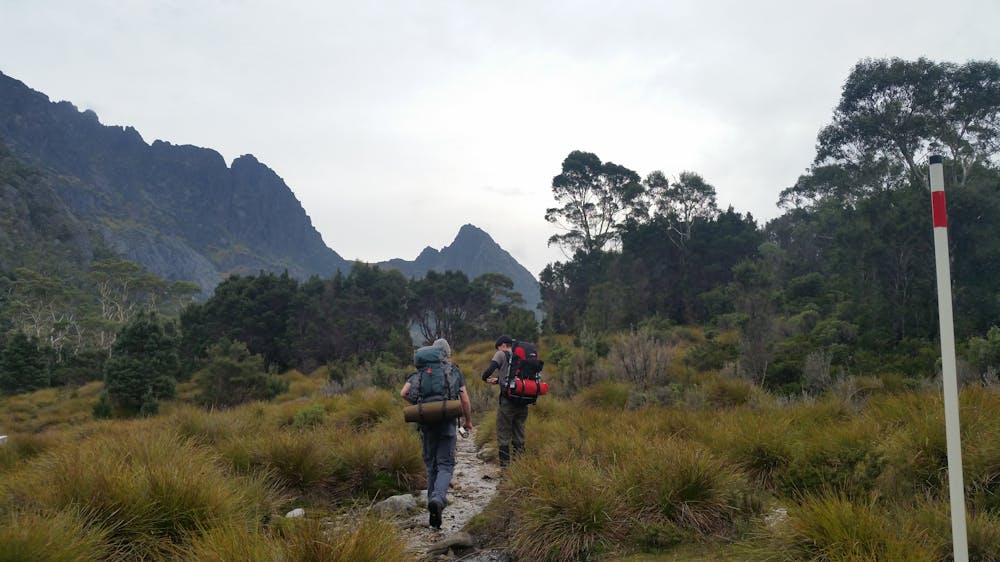 The Tassie wilderness provides awe-inspiring but physically demanding hikes for visitors.
Noelle Nemeth, Author provided
The Tassie wilderness provides awe-inspiring but physically demanding hikes for visitors.
Noelle Nemeth, Author provided
But in winter, Tasmania’s weather conditions can change rapidly, particularly in alpine areas that draw people in with the promise of snow-capped mountains. One hour it can be clear and sunny. The next, bad weather can worsen into a blizzard.
The island’s sometimes severe weather means risks are amplified. These can include getting lost, running out of food or water while sheltering, and having an accident such as falling from steep and slippery terrain.
Read more: Photos from the field: capturing the grandeur and heartbreak of Tasmania's giant trees
Across Tasmania, bushwalker rescues fluctuate substantially by year, from lows of six (2018) to highs of 44 (2019).
Of the recent hiker deaths in Tasmania, some have been due to falls from great heights, while others are attributed to a lack of preparation and appropriate gear causing hypothermia.
Hypothermia is life threatening. This video explains how you can be prepared in Tasmania’s parks and reserves.For park management agencies, rescuing injured hikers or recovering the deceased can be dangerous and expensive. Estimated rescue costs range from a few hundred dollars to tens of thousands of dollars per incident.
At times, bad weather conditions means rescue agencies can’t access sites. They have to make the challenging decision not to respond to rescue calls, to protect the lives of volunteers and rescue staff.
What is preparedness and why does it matter?
Preparedness is about providing yourself with the necessary resources to safely tackle unexpected issues that may arise.
How prepared you are can be the difference between severe injury or death, and survival. We define preparedness as the process of:
packing essential clothing and equipment
conducting pre-planning and familiarisation with a destination (what are the weather conditions, or trail conditions like?)
self-assessment of capabilities (what’s your fitness level, and what are your wilderness knowledge and skills like?)
notifying others about your travel intentions.
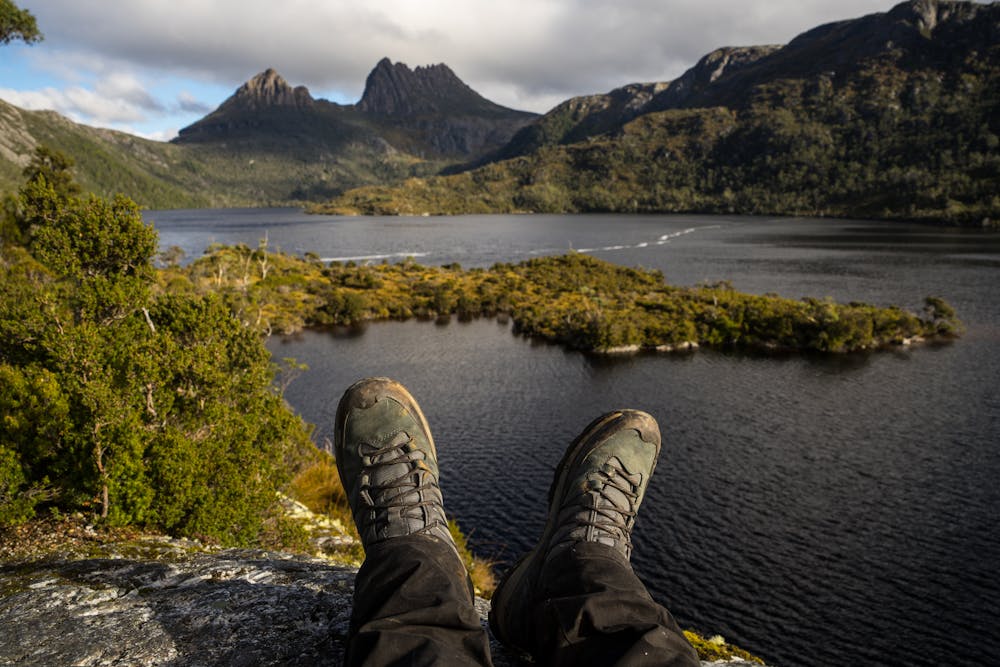 Wearing the right shoes on your next hike can save your life.
Shutterstock
Wearing the right shoes on your next hike can save your life.
Shutterstock
Some hikers are better prepared than others
Our research surveyed overnight hikers in Tasmania. And we found a lack of preparedness is related to people’s backgrounds (such as age and sex) and behavioural traits (such as risk taking).
Young men, for example, appear more likely to take risks, overestimating their skills and experience. Some tourist groups, who are unfamiliar with local weather conditions and landscapes, are also at higher risk.
In many accidents, inadequate clothing or footwear is a culprit, such as lack of woollen base layers, hats and gloves, and waterproof outer layers. This can result in hypothermia, frostbite, falls and other major problems.
We were surprised by what many hikers didn’t carry, including maps, compasses, whistles, and first aid kits — essential items for all hikers. Some told us they didn’t own that equipment, others thought it was unnecessary.
People in a tour group were less likely to carry food, a first aid kit and safety items, believing their guide would carry it for them. But if group members become separated, the consequences can be fatal.
 Maps, compasses, whistles and first aid kits are essential on every hike.
Shutterstock
Maps, compasses, whistles and first aid kits are essential on every hike.
Shutterstock
Our research also suggests hikers out for day trips or shorter walks, appear to feel there’s less risk and seem less prepared than if they were doing a longer trip.
They’re unlikely to take an emergency position indicating radio beacon (EPIRB) or personal locator beacon (PLB), which can send a distress signal and alert rescuers to your location in places with no phone reception. They may also wear sport shoes instead of hiking boots, and some don’t carry essential items for winter walking, such as a waterproof jacket or tent.
Being prepared with the right gear and experience is important regardless of how long you plan on being out. The reality is weather conditions can change suddenly, even if you’re not out for very long.
So how can you be better prepared?
In response to past hiker deaths, coronial inquests have identified better education, improved visitor management and safety measures as possible solutions.
But we’ve also identified a simple, but likely effective solution that could supplement a continued lack of appropriate gear: the use of a “gear library”.
 Rescues can cost tens of thousands of dollars.
AAP Image/Supplied by Tasmania Police
Rescues can cost tens of thousands of dollars.
AAP Image/Supplied by Tasmania Police
A gear library would be set up at visitor centres where you’re usually expected to start hikes and would allow people to hire speciality gear items, such as personal safety devices (EPIRB, PLB). These can usually cost more than $200, but would be substantially cheaper in a gear library, ensuring rescue workers are notified and can find you after an accident.
Read more: Stick to the path, and stay alive in national parks this summer
It’s also important to keep a checklist to pack essential items. Some key items include:
adequate supply of food and water, including contingency items for unexpected additional days hiking because of bad weather
warm clothes, such as a waterproof jacket with hood and storm front, waterproof over-trousers, sturdy walking boots and warm clothing (a fleece or woollen jumper, thermal base layers, hat and gloves)
appropriate footwear, such as hiking boots
a tent for overnight hikes
a first aid kit
a torch.
There are plenty of resources for people seeking information about how best to prepare for their bushwalk, including national park visitor centres, Westpac Rescue Tas and the Parks and Wildlife Tasmania website. These websites provide essential bushwalking guides on what to pack and how to prepare for bushwalking.
Anyone can safely enjoy a good day out in the Tasmanian wilderness — it’s beautiful, but can also be deadly. You can never be too prepared.
Read more: Good signage in national parks can save lives. Here's how to do it right
Authors: Vanessa Adams, Senior Lecturer, Discipline of Geography and Spatial Sciences, University of Tasmania