

How this little marsupial's poo nurtures urban gardens and bushland (and how you can help protect them)
- Written by Anna Hopkins, Senior Lecturer in Molecular Ecology, Edith Cowan University
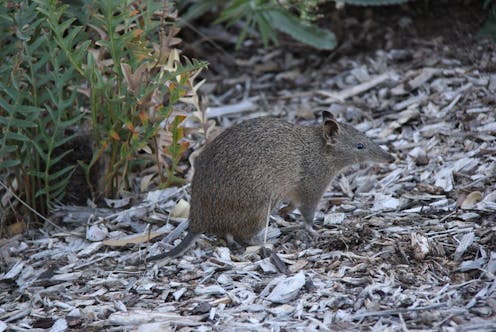
Wildlife encounters can be few and far between in cities but, if you’re lucky, you might catch sight of a small Aussie marsupial in Perth that’s helping keep urban bushland healthy.
Quenda, a rabbit-sized digging mammal native to southwestern Australia, are found in patches of bushland, parkland and even backyard gardens. And our latest research shows just how important these unassuming marsupials are to Australian ecosystems.
We found quenda eat a huge variety of specialised fungi called mycorrhiza, which play a key role in helping native vegetation, including eucalyptus trees, absorb water and nutrients. The fungal spores survive in quenda droppings, which can then colonise eucalypt roots. In fact, we found one little scat with over 100 types of fungi in it – that’s some very efficient fungal dispersal!
Quenda are considered rare or near threatened due to habitat clearing and predation by introduced predators – cats, dogs and foxes. It’s crucial we manage and maintain their population in and around cities to ensure they have a positive influence on urban ecosystems.
Nature’s gardeners
Many different Australian mammals dig in the soil for food or shelter, including bettongs, potoroos, bandicoots and echidnas.
Sadly, most of Australia’s digging mammals are threatened with extinction, and many now have very restricted distributions as their habitat is cleared for urban development and they are preyed on by cats and foxes.
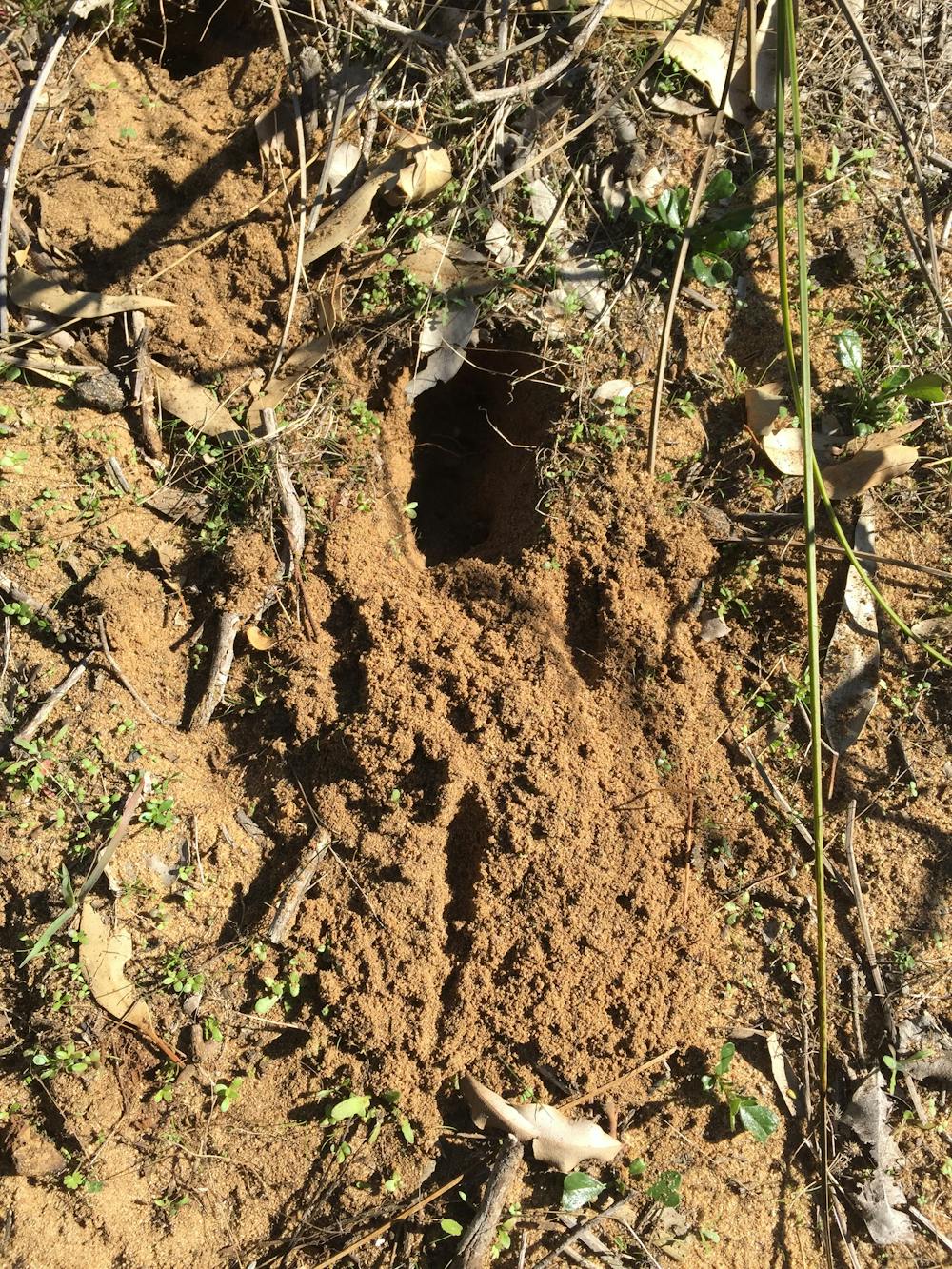
Once thought to be a subspecies of the southern brown bandicoot, the quenda was recognised as its own distinct species (Isoodon fusciventer) in 2018, and is found only in the southwestern corner of Australia.
Quenda are prolific diggers in their search for dinner – a single quenda can dig up to 45 small pits per night. Although each pit is small, one quenda can dig over four tonnes of soil each year in total, almost 30 wheelbarrow loads.
Read more: Dig this: a tiny echidna moves 8 trailer-loads of soil a year, helping tackle climate change
Quenda and other digging mammals are like nature’s gardeners. Their digging helps break the water repellent layer on the soil surface, allowing more water to infiltrate the soil, and decreases soil compaction and erosion.
Quenda digs also incorporate leaf litter and seeds into the soil, and this improves conditions for native plants to grow and thrive.
45 species in each scat
But perhaps the biggest way they help Australian ecosystems is by dispersing fungal spores in their droppings.
We examined quenda scats from urban bushland south of Perth, and found they contained a large variety of fungi. Quenda scats are only 3-5cm long, but had an average of 45 different fungi species in each that the quenda would have deliberately sought out and eaten.
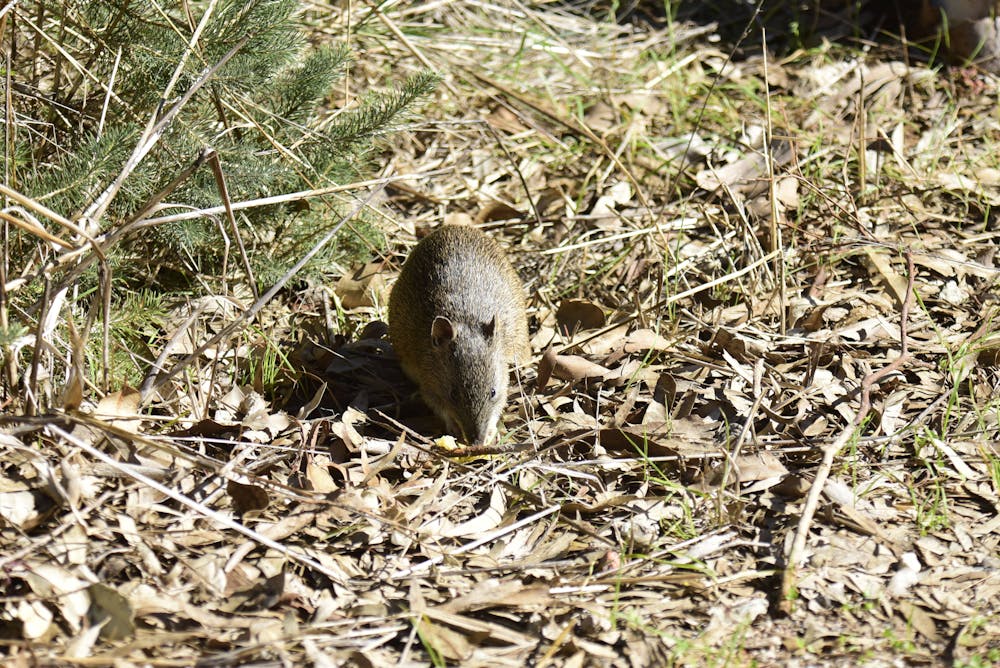 Quenda were recognised as their own distinct species in 2018.
Lilian Tay, Author provided
Quenda were recognised as their own distinct species in 2018.
Lilian Tay, Author provided
These include fungi that produce underground truffle-like fruitbodies, much like the famous black truffles we eat. Because the truffle-like fruitbodies are found underground, they cannot easily disperse their spores. This means they rely almost entirely on quenda and other animals to dig them up and disperse the spores in their poo.
This is a wonderful example of a mutually beneficial – or “symbiotic” – relationship: the quenda gets a delicious meal and the fungus has their spores dispersed far and wide.
Read more: How fungi's knack for networking boosts ecological recovery after bushfires
We found more than half of the fungi species in quenda scats are “mycorrhizas”. These fungi form a mutually beneficial relationship with the roots of over 90% of the world’s plants including most native Australian species.
In this mycorrhizal relationship, the plant gives the fungus carbohydrates – a product of photosynthesis. In return, the fungus takes nutrients and water from the soil and passes them to the plant.
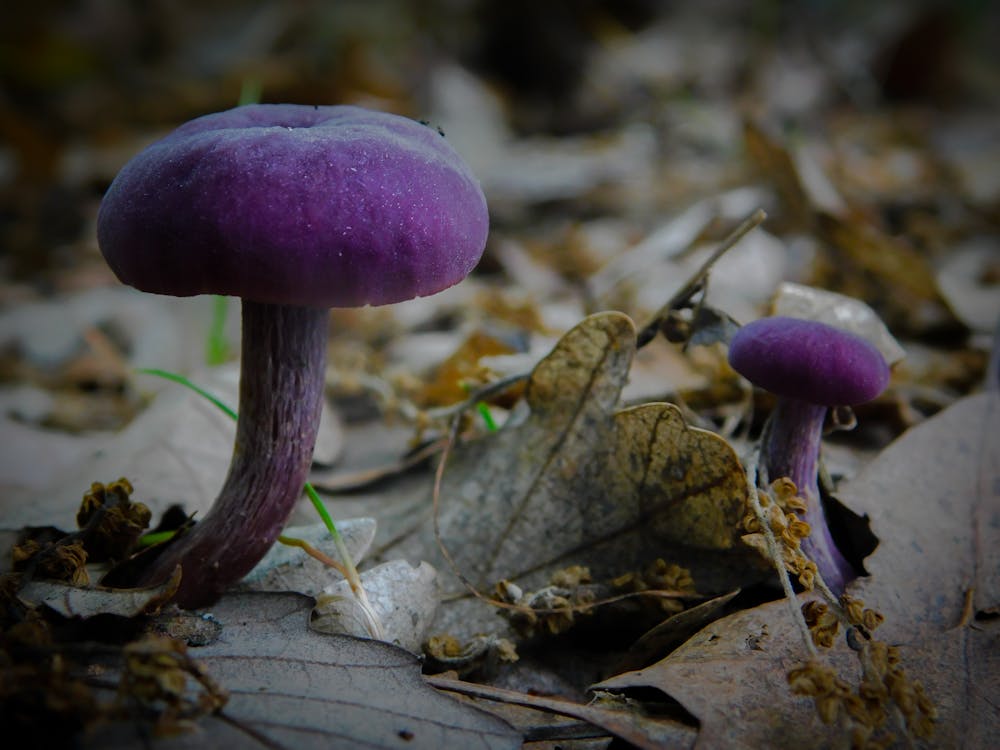 Mycorrhizas include Cortinarius species, which can come in bright purple, orange or green.
Shutterstock
Mycorrhizas include Cortinarius species, which can come in bright purple, orange or green.
Shutterstock
The mycorrhizal fungi are essential to healthy forests and bushland. When plants such as eucalypts team up with mycorrhizal fungi, the plants grow taller and faster and are better protected from stresses such as drought and pathogens.
Given very few other species of digging mammals survive in urban bushland, it’s clear quenda play a vital role to disperse mycorrhizal fungi.
How you can keep quenda safe
Quenda are extremely important ecosystem engineers in our urban bushland, so it’s crucial we help them thrive by making quenda friendly gardens.
Quenda feel safest in dense vegetation, so if you have a garden and want quenda to visit, plant a dense native understory. This provides both food and habitat for the quenda.
It’s also important to keep your cats indoors (especially at night) and to teach your dogs not to attack quenda. Make sure any water sources – think ponds, fountains, swimming pools – have an escape route or ramp for quenda, in case they fall in.
Read more: Don't let them out: 15 ways to keep your indoor cat happy
Finally, at dawn and dusk, when quenda are most active, drive slowly and keep your eyes peeled to avoid collisions.
They are one few remaining digging mammals in Australian urban bushlands, so the next time you spot a quenda, remember all the wonderful ways it’s making our corner of the world a better place.
Authors: Anna Hopkins, Senior Lecturer in Molecular Ecology, Edith Cowan University

















