

Set in a 19th century Australian leper colony, Eleanor Limprecht's The Coast depicts past cruelties, but has powerful things to say about the present
- Written by: Suzie Gibson, Senior Lecturer in English Literature, Charles Sturt University

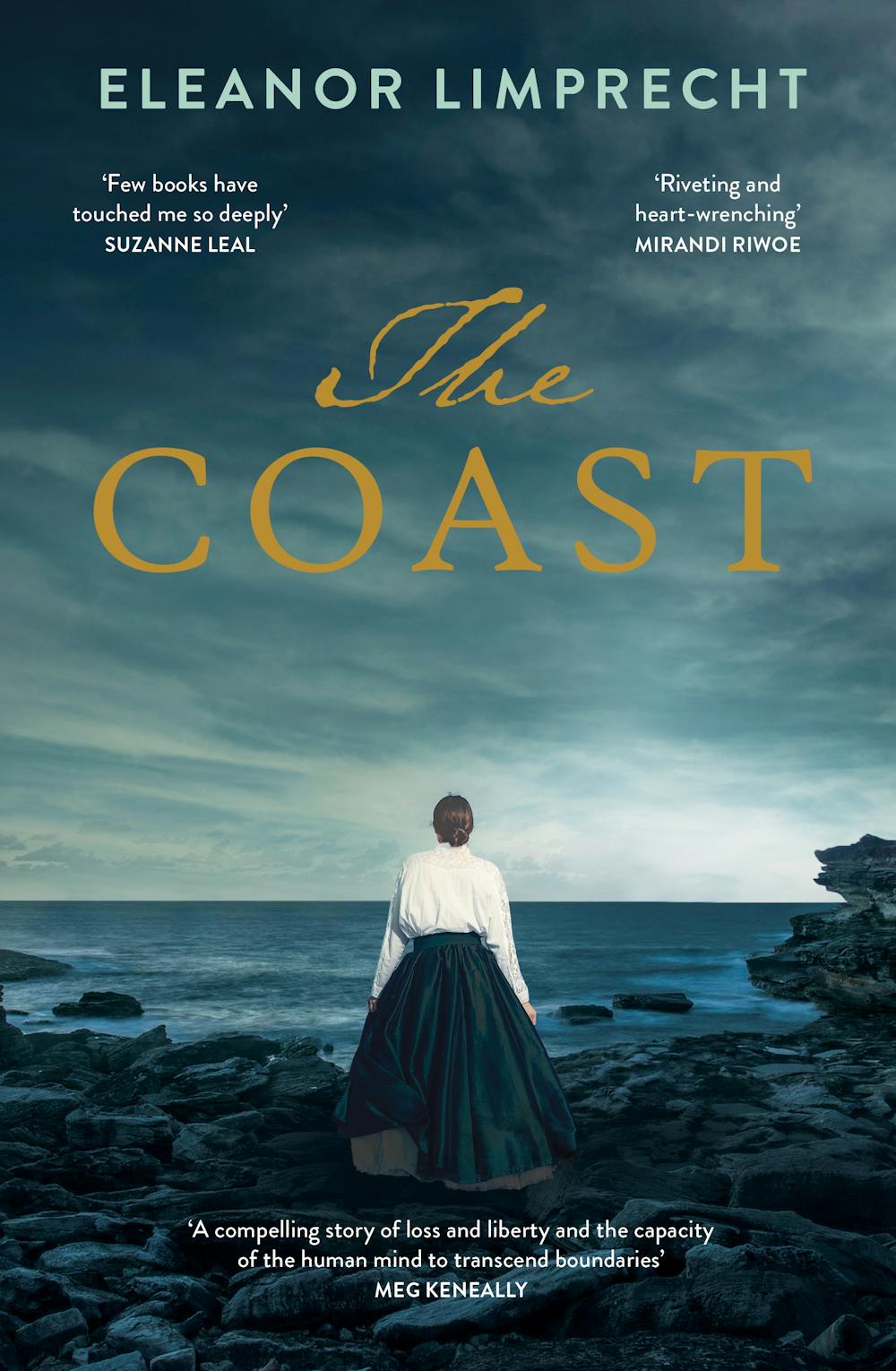
Eleanor Limprecht’s new historical novel The Coast recreates a lost world that was once damned to obscurity. Set in a formerly remote coastal area known as Little Bay, just outside of Sydney, her book imagines a series of characters forced into quarantine after being diagnosed with leprosy.
Review: The Coast – Eleanor Limprecht (Allen & Unwin).
 Henry James (1843-1916)
Public domain
The Coast’s shifting names and perspectives evoke a profound sense of loss. As Alice observes, there are “places we can never return because they only exist as memories”.
The lives of characters also coincide with specific years that occasionally headline chapters — 1926, 1905, 1910, 1892 and 1915, among others. These roving time periods signify dramatic and appalling moments in Australian history: the massacre of First Nations peoples, the dissolution of penal settlements, the unification of self-governing states at Federation, the forced removal of “mixed-race” Indigenous peoples that created the Stolen Generation, the White Australia Policy, and the first world war.
It is not coincidental that The Coast is organised around significant and shameful episodes in our history. The novel suggests that institutional maltreatment and racially driven government policies may not be all that historical. An epistolary newspaper clipping from the novel suggests this:
Scattered throughout the cities, town and villages, and remote out-back settlements, aliens may develop and spread the virus of the many strange Eastern diseases which they carry with them in their wanderings – and in a hundred other ways they come in close and intimate contact with our European population. From a hygienic point of view, as well as a racial one, the people are dangerous. Leprosy is the legacy of woe which their yellow, black and brown forerunners of the early ‘sixties’ left to Australia …
One is left to ponder if the “sixties” refers to the 1860s or the 1960s. Perhaps such an omission is deliberate: the colonial era and the mid 20th century were both periods that demonised non-European immigrants, especially the Chinese, who were racially vilified as the “yellow peril”.
Henry James (1843-1916)
Public domain
The Coast’s shifting names and perspectives evoke a profound sense of loss. As Alice observes, there are “places we can never return because they only exist as memories”.
The lives of characters also coincide with specific years that occasionally headline chapters — 1926, 1905, 1910, 1892 and 1915, among others. These roving time periods signify dramatic and appalling moments in Australian history: the massacre of First Nations peoples, the dissolution of penal settlements, the unification of self-governing states at Federation, the forced removal of “mixed-race” Indigenous peoples that created the Stolen Generation, the White Australia Policy, and the first world war.
It is not coincidental that The Coast is organised around significant and shameful episodes in our history. The novel suggests that institutional maltreatment and racially driven government policies may not be all that historical. An epistolary newspaper clipping from the novel suggests this:
Scattered throughout the cities, town and villages, and remote out-back settlements, aliens may develop and spread the virus of the many strange Eastern diseases which they carry with them in their wanderings – and in a hundred other ways they come in close and intimate contact with our European population. From a hygienic point of view, as well as a racial one, the people are dangerous. Leprosy is the legacy of woe which their yellow, black and brown forerunners of the early ‘sixties’ left to Australia …
One is left to ponder if the “sixties” refers to the 1860s or the 1960s. Perhaps such an omission is deliberate: the colonial era and the mid 20th century were both periods that demonised non-European immigrants, especially the Chinese, who were racially vilified as the “yellow peril”.
 Eleanor Limprecht.
Image: Bronwyn Rennex/eleanorlimprecht.com
Racism is not temporally bound. It lingers as a form of unconscious bias, as an overt prejudice, or even less subtly as a specific government policy like Australia’s modern day Operation Sovereign Borders. The Coast may conjure the past through its powerful representation of those exiled in a leper colony, but its depiction of isolation is deeply redolent of contemporary asylum seekers locked up in detention centres.
There is thus an important political and ethical dimension to Limprecht’s book. It educates us about the past, while asking us to contemplate a present in which the sick, the poor, the elderly and the homeless are exposed to institutional and governmental malpractice and incompetence.
Mapping the past, the present, and the future
Displacement is another significant motif in The Coast. Readers are, for example, presented with a puzzle of pseudonyms and abbreviated names, only to discover that in some instances such identifiers are adopted monikers – sometimes freely chosen, sometimes not.
This operates as a reminder of the present day treatment of refugees in Australia, powerfully dramatised in Behrouz Boochani’s book No Friend But the Mountains (2018). Those who are in mandatory detention are dehumanised to the point of losing the “privilege” of having a “proper” name.
When Jack is relocated to the mission, he becomes a number: “122”. Such maltreatment encourages one to contemplate whether contemporary attitudes towards Indigenous peoples have changed. In light of what has gone on at the Northern Territory’s infamous Don Dale Youth Detention Centre, the answer would seem to be a resounding no.
Displacement is also depicted through arduous physical and psychological journeys, as characters are ripped from their homes after a leprosy diagnosis. The lengthy sea and land excursions from such far flung places as Jiggi, Lismore and Nimbin to Sydney’s lonely Little Bay enclave, evoke the vastness of a continent encircled by the sea.
Mandatory travel to a secluded coastal hospital captures the extreme trepidation and cultural stain of leprosy. The stigma of the disease is aligned with the racial slur of being “half-caste”, as both “conditions” lead to physical and psychological isolation.
There is also a biblical dimension to The Coast, as it invokes the ancient fear of leprosy. In his designated chapter, titled “Will”, Dr Stenger observes: “The Bible had not done the disease any favours.”
The Bildungsroman genre adds yet another layer, as the novel dramatises Alice’s development from childhood to adulthood. Charlotte Brontë’s famous coming of age novel Jane Eyre (1847) is particularly resonant. When Alice forges a friendship with 12 year old Greta, a tuberculosis patient, it parallels Jane Eyre’s bond with the consumptive Helen Burns, as these relationships develop while in captivity.
Read more:
Why Charlotte Brontë still speaks to us – 200 years after her birth
Again, Limprecht pushes the limits of 19th century fiction by unearthing taboo subjects, such as childhood sexuality. As Alice narrates:
I thought of Greta before I fell asleep at night and first thing when I woke in the morning … I thought of her skin, how smooth and unblemished it was.
Eleanor Limprecht.
Image: Bronwyn Rennex/eleanorlimprecht.com
Racism is not temporally bound. It lingers as a form of unconscious bias, as an overt prejudice, or even less subtly as a specific government policy like Australia’s modern day Operation Sovereign Borders. The Coast may conjure the past through its powerful representation of those exiled in a leper colony, but its depiction of isolation is deeply redolent of contemporary asylum seekers locked up in detention centres.
There is thus an important political and ethical dimension to Limprecht’s book. It educates us about the past, while asking us to contemplate a present in which the sick, the poor, the elderly and the homeless are exposed to institutional and governmental malpractice and incompetence.
Mapping the past, the present, and the future
Displacement is another significant motif in The Coast. Readers are, for example, presented with a puzzle of pseudonyms and abbreviated names, only to discover that in some instances such identifiers are adopted monikers – sometimes freely chosen, sometimes not.
This operates as a reminder of the present day treatment of refugees in Australia, powerfully dramatised in Behrouz Boochani’s book No Friend But the Mountains (2018). Those who are in mandatory detention are dehumanised to the point of losing the “privilege” of having a “proper” name.
When Jack is relocated to the mission, he becomes a number: “122”. Such maltreatment encourages one to contemplate whether contemporary attitudes towards Indigenous peoples have changed. In light of what has gone on at the Northern Territory’s infamous Don Dale Youth Detention Centre, the answer would seem to be a resounding no.
Displacement is also depicted through arduous physical and psychological journeys, as characters are ripped from their homes after a leprosy diagnosis. The lengthy sea and land excursions from such far flung places as Jiggi, Lismore and Nimbin to Sydney’s lonely Little Bay enclave, evoke the vastness of a continent encircled by the sea.
Mandatory travel to a secluded coastal hospital captures the extreme trepidation and cultural stain of leprosy. The stigma of the disease is aligned with the racial slur of being “half-caste”, as both “conditions” lead to physical and psychological isolation.
There is also a biblical dimension to The Coast, as it invokes the ancient fear of leprosy. In his designated chapter, titled “Will”, Dr Stenger observes: “The Bible had not done the disease any favours.”
The Bildungsroman genre adds yet another layer, as the novel dramatises Alice’s development from childhood to adulthood. Charlotte Brontë’s famous coming of age novel Jane Eyre (1847) is particularly resonant. When Alice forges a friendship with 12 year old Greta, a tuberculosis patient, it parallels Jane Eyre’s bond with the consumptive Helen Burns, as these relationships develop while in captivity.
Read more:
Why Charlotte Brontë still speaks to us – 200 years after her birth
Again, Limprecht pushes the limits of 19th century fiction by unearthing taboo subjects, such as childhood sexuality. As Alice narrates:
I thought of Greta before I fell asleep at night and first thing when I woke in the morning … I thought of her skin, how smooth and unblemished it was.


















