

Modern Australian
The Times

A rapid shift to electric vehicles can save 24,000 lives and leave us $148bn better off over the next 2 decades

  • Written by Hussein Dia, Professor of Future Urban Mobility, Swinburne University of Technology
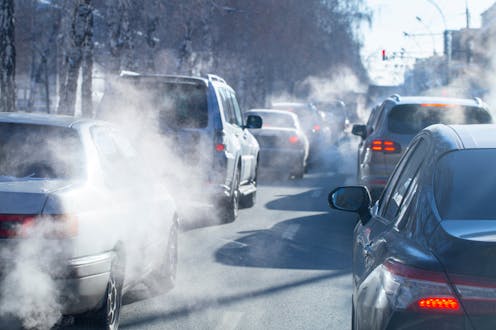
A rapid shift to electric vehicles can save 24,000 lives and leave us $148bn better off over the next 2 decades

Reducing air pollution from road transport will save thousands of lives and improve the health of millions of Australians. One of the quickest ways to do this is to accelerate the current slow transition to electric vehicles.

Our newly published research evaluated the costs and benefits of a rapid transition. In one scenario, Australia matches the pace of transition of world leaders such as Norway. Our modelling estimates this would save around 24,000 lives by 2042. The resulting greenhouse emission reductions over this time would almost equal Australia’s current total annual emissions from all sources.

We also calculated the total costs and benefits through to 2042. Australia would be about A$148 billion better off overall with a rapid transition.

Read more: Australia is failing on electric vehicles. California shows it's possible to pick up the pace

Air pollution causes thousands of deaths

Every year, around 2,600 deaths in Australia are attributed to fine-particle air pollution. The main sources of this pollution are transport and industrial activities such as mining and energy generation.

An estimated 1,715 deaths were attributed to vehicle exhaust emissions in 2015. This was 42% more than the road toll that year.

Vehicle emissions increase respiratory infections as well, particularly in young children. Transport pollution contributes to many diseases, including lung cancer, heart disease, pneumonia, asthma and diabetes. It has also been linked to Alzheimer’s disease.

A 2019 study by the Electric Vehicle Council and Asthma Australia found vehicle emissions had 21,000 serious health impacts each year in New South Wales alone.

A Grattan Institute study last month showed exhaust-pipe pollutants from trucks kill more than 400 Australians every year.

A truck in heavy traffic belches smoke
Cities around the world have imposed bans on polluting trucks to reduce the harm to public health. Shutterstock

Read more: Australia could rapidly shift to clean transport – if we had a strategy. So we put this plan together

The benefits greatly outweigh the costs

Our new Swinburne University of Technology research evaluated the benefits of a transition to electric vehicles by considering public health, household and emissions reductions savings. We compared the benefits with costs, including charging infrastructure outlay, higher purchase prices for electric vehicles and green energy package costs – for household solar panels, battery storage and charging points.

Each electric vehicle was considered to have been bought along with a green energy package. The package minimises emissions and demands on electricity grid capacity, while increasing the benefits for households.

The study explored three scenarios:

  1. slow scenario – business-as-usual, with electric vehicle sales increasing slowly from the current rate (a 5% increase in the first year, followed by a 10% yearly increase)

  2. accelerated market-based scenario – aligns with the highest rates of adoption around the world like those in Norway (where 64% of new vehicles sold in 2021 were battery-powered), increasing by 5% every year

  3. aggressive regulatory scenario – assumes all new vehicle sales would be electric in the base year as a result of government regulation.

The main differences between the scenarios are the rate of electric vehicle uptake (once consumers decide to retire their current vehicles) and the degree of government intervention.

The research found the business-as-usual scenario undermines national efforts to reduce the loss of life and cut emissions. It also found the aggressive strategy would have to overcome massive barriers given Australia trails many other countries in adopting electric vehicles. The accelerated adoption strategy, however, is well aligned with uptake in other nations. Their example shows it can be achieved using progressive policies and incentives. If implemented, the accelerated scenario could reduce the loss of life by around 24,000 by 2042. The reduction in emissions over this time would be 444 million tonnes of carbon dioxide equivalent, or 91% of Australia’s emissions from all sources in 2021. The cost would be around $118 billion, less than half of the total benefits of $266 billion. Read more: Who's holding back electric cars in Australia? We've long known the answer – and it's time to clear the road Putting us on track for emissions targets The new Climate Change Act mandates targets of a 43% cut in emissions by 2030 and net-zero emissions by 2050. Our research shows effective electric vehicle policies can help achieve these targets. Such policies can be adopted from nations that have made rapid progress on electrifying their transport sectors. These policies include strict and mandatory fuel efficiency standards, investment in electric vehicle charging stations and standardisation of charging infrastructure. They also include financial incentives to buy and run electric vehicles, and cheap loans to help households and freight operators with purchase costs. Importantly, these nations recognise that electric vehicles are not a remedy for all transport challenges. They should be complemented by strategies to manage travel demand, reduce the numbers of cars and journeys by car, and improve access to public transport. Read more: Four ways our cities can cut transport emissions in a hurry: avoid, shift, share and improve We shouldn’t accept so many avoidable deaths Without a rapid shift to electric vehicles, Australia risks losing at least 1,200 lives a year – deaths that we could avoid – over the next 20 years. The loss of life would be equivalent to six planes, each carrying 200 passengers, falling out of the sky every year and killing everyone on board. We don’t accept this in air travel, and we should not accept the loss of life to preventable air pollution. Australia has a feasible rapid pathway to decarbonise its transport sector. Our findings show the benefits to society and the planet are hard to dismiss.

Authors: Hussein Dia, Professor of Future Urban Mobility, Swinburne University of Technology

Read more https://theconversation.com/a-rapid-shift-to-electric-vehicles-can-save-24-000-lives-and-leave-us-148bn-better-off-over-the-next-2-decades-190243

Chatswood Tutoring And Its Role In Academic Achievement

Academic success often requires more than classroom attendance alone. Students face increasing expectations as they progress through school, particu...

Why Laser Hair Removal Treatments Continue Growing In Popularity

Managing unwanted hair can become time-consuming and frustrating for many people, especially when shaving, waxing, and other temporary methods requi...

Choosing the Right Devices for a Flexible Workplace

For IT leaders managing large fleets, the device layer is where workforce productivity and security policy meet. The shift towards flexible and hybrid...

How Business Advisory Services Help Companies Achieve Sustainable Growth

Every business owner aims to build a profitable and sustainable organisation. While dedication, innovation, and hard work are important, achieving l...

Why Body Contouring Has Become A Popular Cosmetic Treatment

Many people maintain healthy lifestyles through regular exercise and balanced eating habits but still struggle with stubborn areas of fat that are d...

How to Choose the Right POS Hardware for Your Business in Australia

A lot of Australian business owners spend weeks researching POS software but buy hardware almost as an afterthought. That's a mistake. The wrong har...

Why Material Handling Hose Is Critical for Industrial Efficiency

A high-performance material handling hose is an essential component in industries that transport abrasive, dry, or bulk materials on a daily basis...

How to Choose the Right Lawyer in Melbourne for Your Situation

Choosing legal support can feel difficult, especially when the stakes are personal or business-related. The right lawyer in Melbourne should underst...

Hoteliers Look to Clever Value Adds to Increase Revenue

The Australian hospitality industry is still in recovery mode after a notoriously rough patch in recent years. While there has been a post-COVID tra...

Moving to Queensland? Here’s How to Prep Your Car for the Big Move North

There’s no sign of the northern migration slowing down, with thousands of southerners fleeing from chaotic lifestyles and cooler climates for a brig...

Diesel Shortage to Impact Trades and Contractors

Strait of Hormuz blockage affecting all major parts of trades and construction Trades and construction across residential, commercial and industria...

Why Holiday Home Owners Turn to Rental Management Agents

The Allure — and the Reality — of Renting Out Your Property Owning a holiday home is a dream for many Australians. Whether it's a beachside sha...

Why Finding Reliable Doctors In Bundoora Is Important For Long-Term Health

Access to quality healthcare plays an important role in maintaining overall wellbeing and managing health concerns early. Trusted Doctors in Bundoor...

Understanding the Different Types of Car Services: Minor vs Major

When it comes to car maintenance, one of the most important things every vehicle owner should understand is the difference between a minor and a maj...

How Superannuation and TPD Insurance Work Together

Superannuation is an essential part of financial planning in Australia. It is designed to provide individuals with income during retirement, helping...

Tiny Towns funding granted for Mt Hotham and Mt Buller upgrades

Alpine Resorts Victoria (ARV) has welcomed funding support from the Victorian Government’s  Tiny Towns Fund, with both Mt Hotham and Mt Buller se...

Locksmith Services: Why Professional Security Solutions Matter More Than Ever

Security is a critical concern for homeowners, businesses, and vehicle owners alike. Whether it involves protecting a property, replacing damaged lo...

Why Tooth Fillings Are Important For Protecting Damaged Teeth

Cavities and minor tooth damage are common dental problems that can worsen if left untreated. Professional tooth fillings help restore damaged teeth, ...
















