

Anxiety can look different in children. Here's what to look for and some treatments to consider
- Written by Elizabeth Westrupp, Senior Lecturer in Psychology, Deakin University
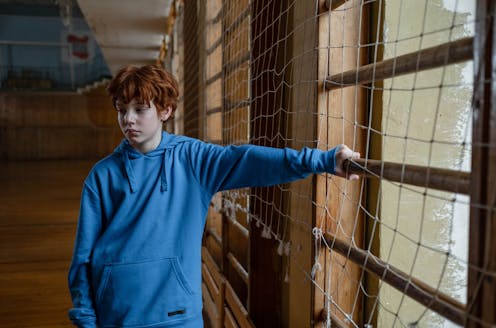
Throughout the pandemic, many families have struggled with fears about COVID, employment and lock-downs – all while experiencing disruption to things like school, childcare, social support services and beloved activities. It has been stressful for some, traumatic for others.
So it may be no surprise to learn many children have been affected by anxiety during the pandemic, especially while under lockdown.
Our research shows some families were particularly vulnerable. Those who experienced financial strain, poor quality housing, loneliness, pre-existing mental health problems, and couple conflict reported worse child and parent mental health over time.
Families and children who have struggled during the pandemic may need additional support in settling back into “COVID-normal” life.
So what are the signs of anxiety to look for in a child, and how can you best support a child experiencing anxiety?
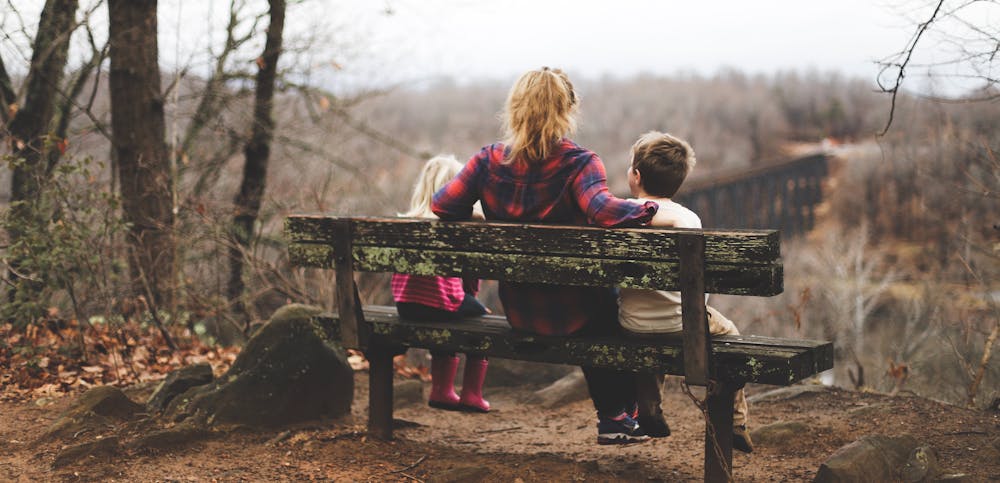
Read more: Back to school: Time to revisit strategies for child and family mental health
How to recognise child anxiety
Signs vary from child to child, and by age, but may include:
avoiding situations or activities that were previously achievable (for example, refusing to go to a once beloved dance or sport activity)
changes in emotion regulation (for example, an increase in anger or irritability)
regressions such as wetting, nail biting, and/or clingy behaviour
physical symptoms such as headaches, tummy aches, and/or fatigue
disruptions to everyday living, such as poor concentration, sleep, and/or appetite.
Clinically, we would consider:
the frequency of each behaviour (how often you notice it)
the severity (how disruptive or impactful it has been), and
the length of time you have noticed the symptoms.
Many young people have an anxious day in response to a change or transition, such as starting at a new school. But fewer would experience concerns consistently for more than two weeks.
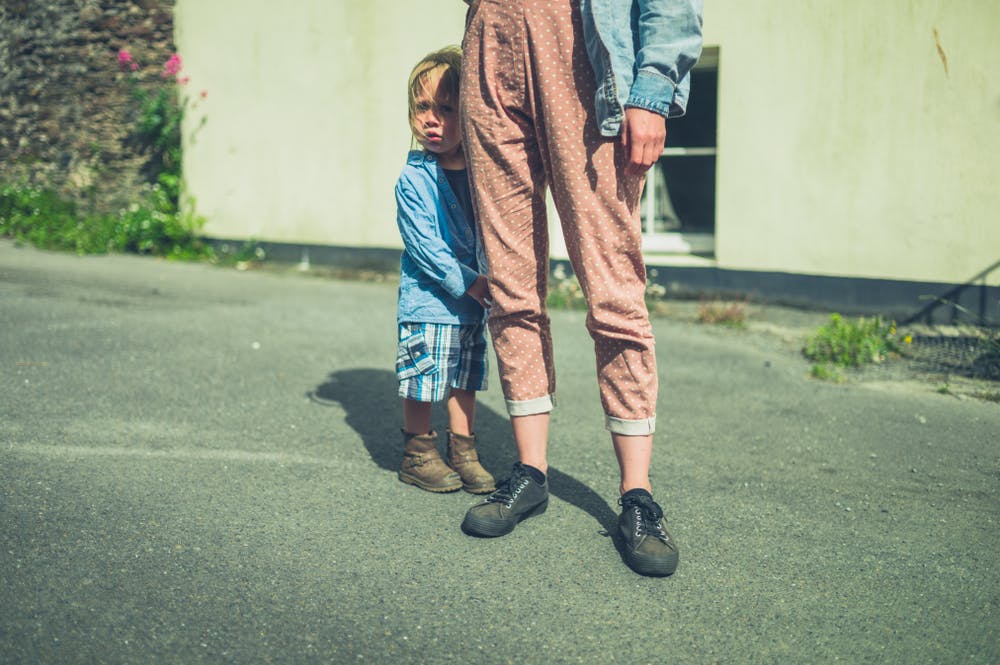 Unusual clingy behaviour can be a sign to watch for.
Shutterstock
Unusual clingy behaviour can be a sign to watch for.
Shutterstock
Treatment for child anxiety
Start a conversation: parents may be afraid that talking about their child’s feelings will make the situation worse, but this is rarely the case. Talking about feelings usually helps children let them go. Talking also helps children regulate their emotions.
If your child is struggling and you’re worried they’re experiencing signs of anxiety, it’s worth talking to a professional to get them early support.
In Australia, there are three pathways.
First, you can speak to your GP to organise a referral for your child to see a private psychologist. Your GP may write your child a mental health care plan, which provides up to ten rebated sessions per year. In other words, a portion of the psychologist fees would be covered by Medicare.
Second, you can speak to your child’s early education or school teacher to access assessment and support.
Third, when symptoms are severe, you can contact your local child and adolescent mental health service for advice and possibly treatment. (Click the name of your state or territory to find out what’s available in your area: Victoria, New South Wales, South Australia, Western Australia, Northern territory, Queensland, Tasmania, Australian Capital Territory).
The pandemic has placed strain on health services, and there are often long wait-lists to see psychologists and other specialists.
While you’re waiting, we recommend having a look at evidence-based online support, and making sure the basics for symptom relief are in place.
Online support for kids can be found at:
BRAVE (a program for children 8-17 years experiencing anxiety)
Youth moodgym (an interactive self-help book to prevent and manage symptoms of depression and anxiety)
BITE BACK (a program to increase wellbeing and prevent depression and anxiety for adolescents aged 13–16 years).
Online support for parents can be found at:
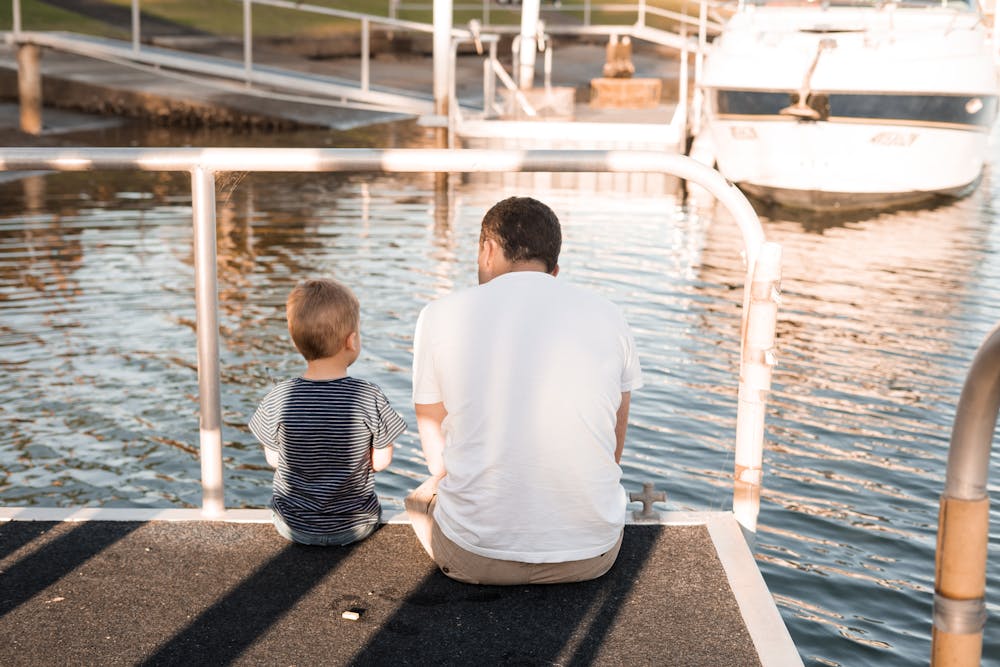 There are lots of things you can try to help relieve your child’s anxiety.
Photo by Kelli McClintock on Unsplash, CC BY
There are lots of things you can try to help relieve your child’s anxiety.
Photo by Kelli McClintock on Unsplash, CC BY
Basic symptom relief for anxiety
There are lots of things you can try to help relieve your child’s anxiety.
1. Make sure they’re getting enough sleep and daily physical activity
Guidelines show children aged 5-17 years need between nine and 11 hours of sleep and at least an hour of exercise per day.
2. Ensure they’re eating well
Research shows links between some foods and mental health, so make sure your child has a variety of fresh vegetables, fruit, legumes, and protein every day.
3. Help your child connect with friends
Social connections are important for healthy child development, improving wellbeing and decreasing symptoms of anxiety and depression. Supporting your child to remain connected and engaged with peers is critical.
4. A slow, gradual return to the situations your child fears
Lockdowns may have made it hard for some children to return to the busy, bustling and potentially overwhelming environments such as school or a stimulating extracurricular activity. If a child is struggling, it helps to plan for gradual return at a slow, controlled rate.
Parents and carers are important people in kids’ lives, even when kids become teens. Being available to listen without judgement (and without trying to problem-solve) can help your child process their feelings, and build trust in their own ability to cope.
Read more: Is there such a thing as 'too old' to co-sleep with your child? The research might surprise you
Authors: Elizabeth Westrupp, Senior Lecturer in Psychology, Deakin University

















