

Floods are natural, but human decisions make disasters. We need to reflect on the endless cycles of blame
- Written by: Brian Robert Cook, Associate professor, The University of Melbourne
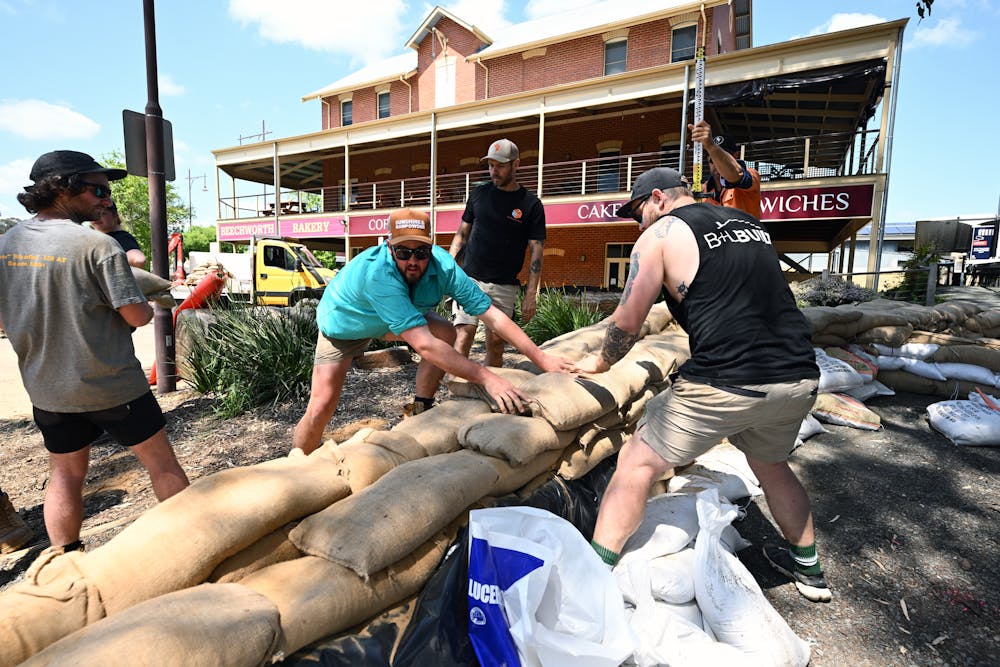
As the Victorian city of Echuca prepared for flooding this week, the council moved rapidly to build a temporary earthen levee as others sandbagged. This kept some homes dry, likely worsened flooding in others, and prompted blame from many sides.
For example, homeowner Nick Dean told 3AW:
You can imagine the anger with council who put this levee up and … it’s made it worse because the waters hit it and bounced back (to my home).
After storms of rain come storms of blame. In the shock that follows disasters we often focus on those at hand - the emergency services and local government. While understandable, it is vital we recognise that many people and organisations contribute to disasters. To avoid future cycles of blame, we need to better understand and value the hard work involved in preparation.
Flooding is natural – but flood disasters are by design
US sociologist Dennis Mileti spent a lifetime arguing against the idea that disasters are natural events. To point out their human dimensions, he argued that they were “by design”. What does he mean?
Imagine a house that floods when a tributary of the Murray River breaks its banks. Is it the council’s fault for approving the development? The developer for seeking to convert cheap land to valuable housing? The home buyer for failing to check flood risk maps? The landholders upstream who cleared forests that normally slow floodwaters? Authorities who built levees generations ago, which now overtop? The risk managers for failing to anticipate ‘unprecedented’ rainfall? Those of us who rely on fossil fuels? Insurance companies for giving false security? Government agencies for failing to prepare adequately for predictable floods? There’s a lot of blame to go around.
The recent New South Wales inquiry into the flooding in February-March aimed to make sense of what happened and what went wrong. So too did the 2009 royal commission following Victoria’s Black Saturday bushfires, and the 2020 royal commission that followed the Black Summer fires. Each of these detailed, thoughtful investigations struggled to explain why disasters keep reoccurring – not on a natural front, but on a human one.
When you fail to prepare, you prepare to fail
In 2015, the Productivity Commission released a report on how we fund natural disaster preparation and recovery, which states:
Governments overinvest in post-disaster reconstruction and underinvest in mitigation that would limit the impact of natural disasters in the first place. As such, natural disaster costs have become a growing, unfunded liability for governments
The imbalance between rescue and recovery (97%) and prevention (3%) is extreme. Seven years later, little has changed. Just look at this week’s announcement of A$600 million in federal spending on disaster relief.
We have been warned about the rising threats. We can better predict future events. As the Productivity Commission explained, we know prevention is cheaper and more effective than response. But we remain unwilling to fund the ongoing human relationships needed to reduce the impacts of disasters.
An expensive future
Without doubt, we are entering a period of escalating risk, disasters, impacts and costs. This year, the world’s peak body on climate change released a report on what it means for Australia and the region. They point out that our flood risk is increasing, while our ability to adapt and reduce damages lags behind.
A more flood-prone future will be expensive, whether through escalating recovery costs or belated efforts to reduce the risk, such as Lismore’s buybacks of flood-prone properties, or controversial proposals such as the Warragamba dam raising.
The cost of disasters averaged across Australian households has shot up to A$1,532 over the past 12 months, compared with an annual average of $888 over the previous decade. That’s due in large part to this year’s devastating floods, according to the insurance peak body.
Rising costs may force government to withdraw from recovery and focus only on immediate responses. This could leave Australian homeowners stranded, given insurance is becoming unaffordable in disaster-prone areas. Some estimates suggest up to 500,000 houses could be uninsurable by the end of the decade.
Read more: Lismore faced monster floods all but alone. We must get better at climate adaptation, and fast
Blame and the emergency services
Consider the problem from the point of view of the risk sector – the authorities, agencies and governments responsible for managing risks.
Victoria’s State Emergency Service is the control agency for flooding in the state, meaning that they are responsible for flood planning, supporting community preparedness, and managing the response. Given budget limitations and urgency, it’s natural that they focus on helping those directly in need.
By contrast, partnering with communities to prepare for future disasters is slow, hard, expensive, and difficult to assess in terms of effectiveness. This trade-off is not a decision made by the emergency services or volunteers - even though many in the sector are doubtful about community empowerment. Rather, it’s a consequence of how these agencies are funded.
We know that our top-down, expert-led responses to disaster events do not translate well into the community engagement needed for preparation. To prepare means community members become willing to take costly actions they would not otherwise do. To support those actions requires far more than “awareness raising” – it requires listening, understanding, collaboration, learning and care.
Put simply, training for swift-water rescues or emergency levee building is very different to the relationship building needed to support disaster preparation. The ways that we respond to disasters are not how we should prepare for them.
Many people in the risk sector are trying to change course. In recent research, my colleagues and I interviewed Victorian risk managers over a five year period. We wanted to know why it was so hard to engage with communities to prepare for disasters. We found many were highly committed to making communities better prepared – but stifled by funding and resource constraints, as well as institutional inertia.
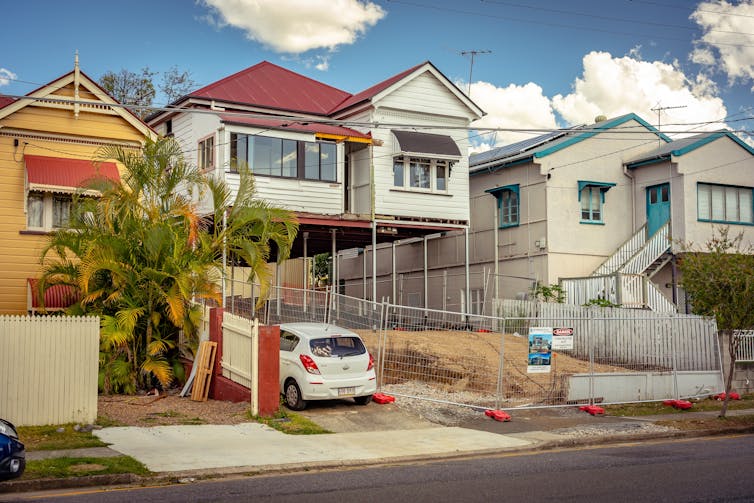
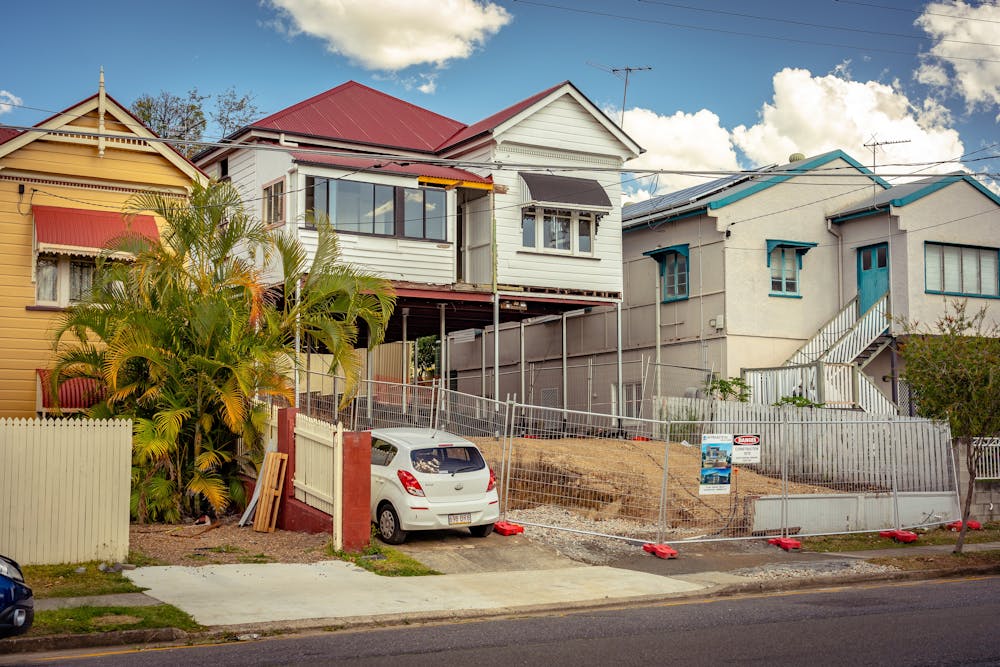 Preparation could involve rebuilding using houses on stilts like these traditional Queenslanders in Brisbane.
Shutterstock
Preparation could involve rebuilding using houses on stilts like these traditional Queenslanders in Brisbane.
Shutterstock
What’s the solution? We should have agencies focused on disaster response and others that focus on disaster preparation: both would require ongoing, substantial funding.
As climate change accelerates, we will see more “unprecedented” disasters, from record-breaking flooding to megafires. Blame will follow. Inquiries will be launched. We will ask, again and again, why we cannot seem to prepare. When the next one hits, remember we arrived at this point by design.
Read more: Australia's Black Summer of fire was not normal – and we can prove it
Authors: Brian Robert Cook, Associate professor, The University of Melbourne


















