

Robbie Arnott's eco-fiction uses myth and metaphor to depict a wounded world
- Written by: Jen Webb, Dean, Graduate Research, University of Canberra
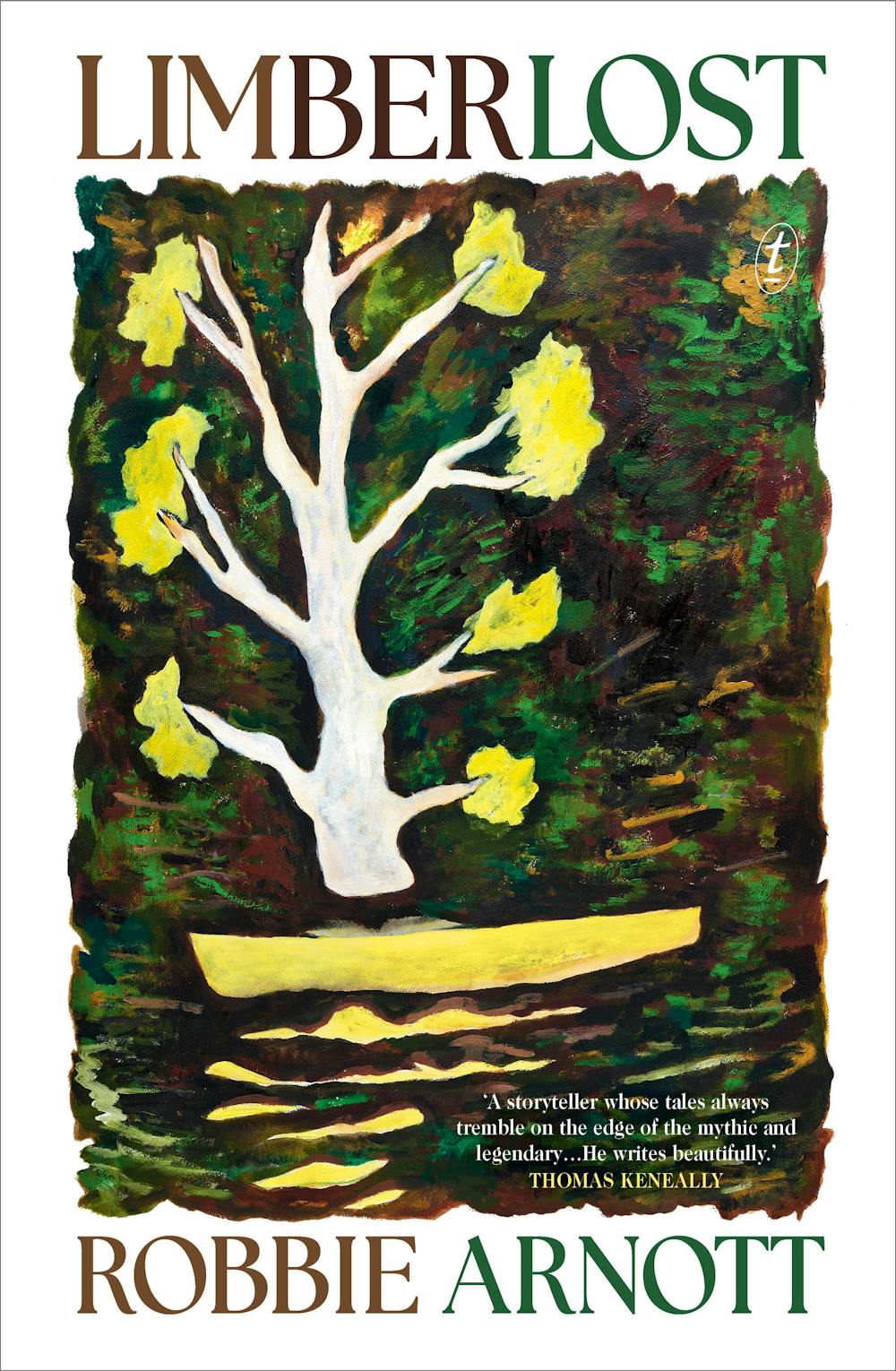
Robbie Arnott’s third novel Limberlost follows two impressive earlier works. Richard Flanagan described Arnott’s first book, Flames (2018), as “strange and joyous”. Bram Presser, responding to The Rain Heron (2020), credits Arnott with “singlehandedly reinventing Australian literature”.
This new novel is likely to draw equally enthusiastic commentary. Its writing is alert to the language and imagery of mythology, and attuned to the living world. As such, Limberlost fits neatly within the rubric of eco-fiction: literature in which the natural world plays a major role, and where the associations and dependencies between human and natural worlds take centre stage.
Review: Limberlost – Robbie Arnott (Text Publishing).
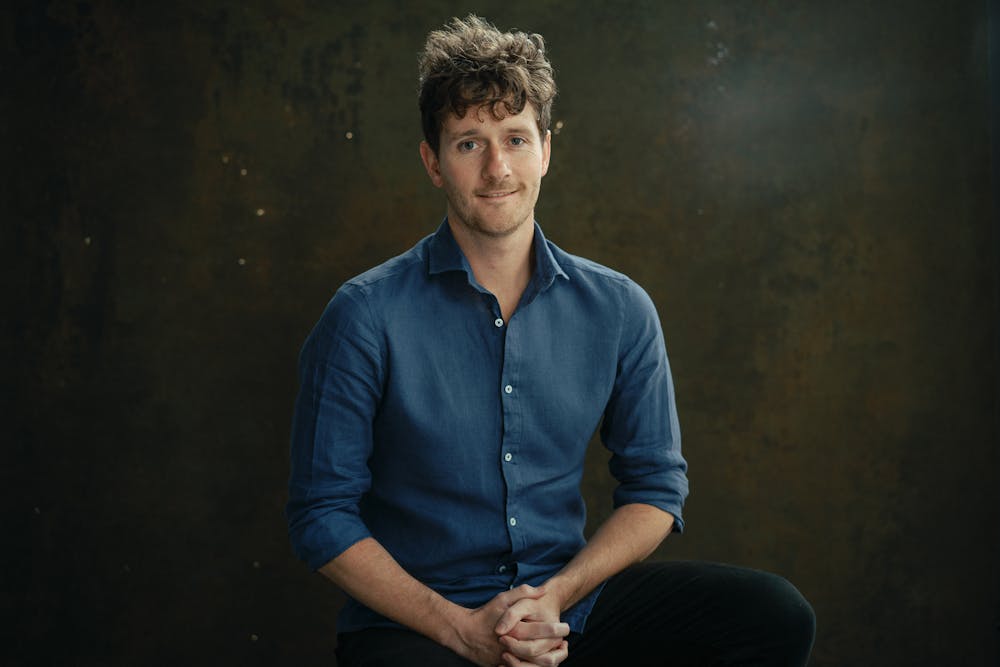 Robbie Arnott.
Mitch Osborne/Text Publishing
Read more:
Five must-read novels on the environment and climate crisis
Freedom and selfhood
Much of Limberlost focuses on 15-year-old Ned. He is effectively at war too, in his case with the local rabbits. He spends much of that year shooting and trapping as many as he can for their pelts. (His best friend, Jackbird, says: “What’d a rabbit ever do to you?”) The rabbits, it seems, are metaphors as much as they are actualities. Like settler Australians, there seems to be “no end” to them and the damage they do to this country.
Their deaths provide for Ned’s most profound desire – a boat of his own. This is also a metaphor, of course: for all the absences in his life, for his uncertainty about who he is and how to function in this difficult world. The longed-for boat is a small vessel, figuratively and literally, but it promises to help him resolve “all the things he could not handle”. It will let them be “rinsed out of him”. Most importantly, the boat will allow him to return to and make sense of that evening on the water, where he waited “for the whale to explode out of the river and paste them into the waves”.
Ned finds his boat, and the beauty and freedom and selfhood it promised. At first, it seems unlikely to deliver on this promise, being in very poor repair. But as Ned restores it, removes the old paint and patches the holes, the boat comes to life. Its light aromatic Huon pine rides “the river so cleanly, so joyously”.
There are various threads running alongside and across the boat story. One is Ned’s growing attachment to Jackbird’s sister Callie. Like Ned’s family, like others in the district, she is tense, silent, stiff. She too is dealing with a wound that is, in part, the product of waiting hopefully, hopelessly, for news of neighbours who are away at war.
It is the product, too, of the struggle to get by financially and having to rely on rabbit massacres to pay the bills, feed the family. And as Ned’s daughters insist toward the end of the novel, this trope of the stoic Australian character is likely a product of the wounds inflicted on country and on people by invasion. Shadowing the narrative, encoded in its mythical and symbolic dimensions, are all the unacknowledged massacres of the country’s traditional owners.
Robbie Arnott.
Mitch Osborne/Text Publishing
Read more:
Five must-read novels on the environment and climate crisis
Freedom and selfhood
Much of Limberlost focuses on 15-year-old Ned. He is effectively at war too, in his case with the local rabbits. He spends much of that year shooting and trapping as many as he can for their pelts. (His best friend, Jackbird, says: “What’d a rabbit ever do to you?”) The rabbits, it seems, are metaphors as much as they are actualities. Like settler Australians, there seems to be “no end” to them and the damage they do to this country.
Their deaths provide for Ned’s most profound desire – a boat of his own. This is also a metaphor, of course: for all the absences in his life, for his uncertainty about who he is and how to function in this difficult world. The longed-for boat is a small vessel, figuratively and literally, but it promises to help him resolve “all the things he could not handle”. It will let them be “rinsed out of him”. Most importantly, the boat will allow him to return to and make sense of that evening on the water, where he waited “for the whale to explode out of the river and paste them into the waves”.
Ned finds his boat, and the beauty and freedom and selfhood it promised. At first, it seems unlikely to deliver on this promise, being in very poor repair. But as Ned restores it, removes the old paint and patches the holes, the boat comes to life. Its light aromatic Huon pine rides “the river so cleanly, so joyously”.
There are various threads running alongside and across the boat story. One is Ned’s growing attachment to Jackbird’s sister Callie. Like Ned’s family, like others in the district, she is tense, silent, stiff. She too is dealing with a wound that is, in part, the product of waiting hopefully, hopelessly, for news of neighbours who are away at war.
It is the product, too, of the struggle to get by financially and having to rely on rabbit massacres to pay the bills, feed the family. And as Ned’s daughters insist toward the end of the novel, this trope of the stoic Australian character is likely a product of the wounds inflicted on country and on people by invasion. Shadowing the narrative, encoded in its mythical and symbolic dimensions, are all the unacknowledged massacres of the country’s traditional owners.
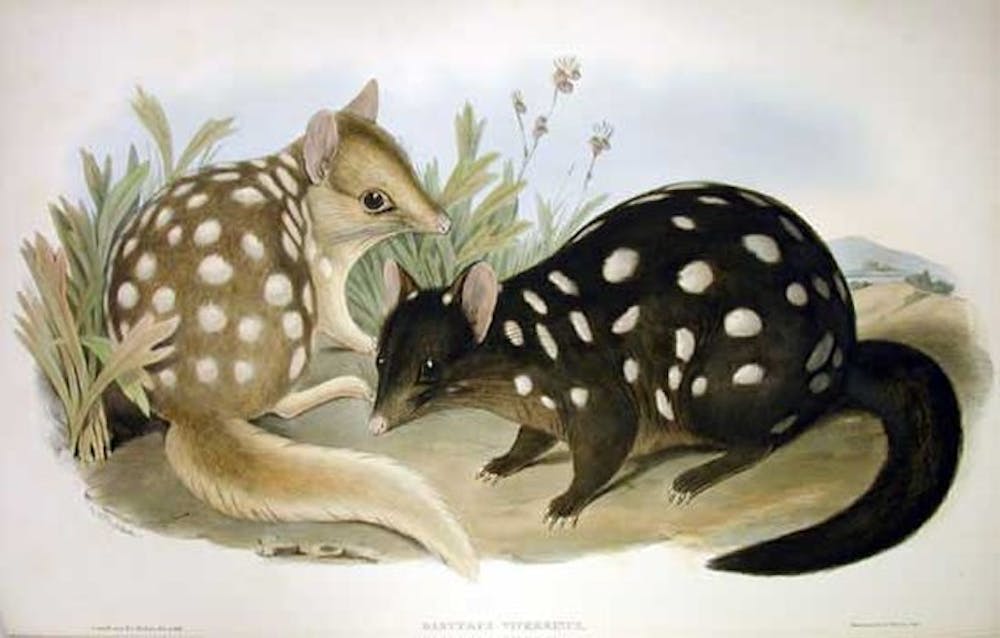 Eastern Quoll (dasyurus viverrinus) – John Gould (1863).
Public domain
Read more:
In Bon and Lesley, Shaun Prescott has written an Australian horror story of uniquely local proportions
The right thing
Yet another metaphor is the quoll, a carnivorous marsupial the locals name a “tiger cat”. Ned inadvertently traps one, but decides not to slaughter it for its pelt. He spares it for the value of its shimmering life. At the cost of bites and scratches, he eases it back to health and fitness, and finally releases it into the forest.
This choice to align himself with nature, rather than seek financial gain, could perhaps be a redemptive moment. But it’s equally likely that it is just another instance in the confused blundering through the world of a young man who wants to do the right thing, if he could only figure out what the right thing might be.
The right thing remains obscure. Ned lives in a wounded world, and he contributes to the damage, with the “heavy clouds of death” he sprays on his orchard to protect the fruit and the forests of trees he fells. He calculates
the violence he’d committed against the valley’s rabbits all summer. Catalogued the wounds, measured the blood.
He knows that, in the end, this violence has produced very little of value. Still, his life is, both at 15 and in his nineties, one worth living. It is a life that recognises the deep materiality and integrity of the natural world.
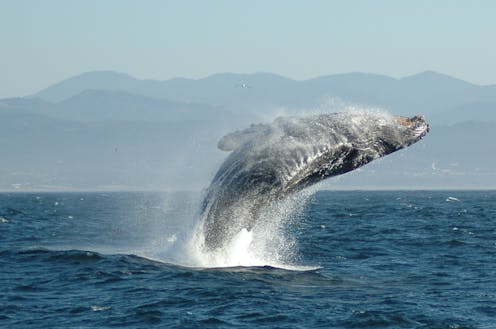
The whale from the opening chapter – that Moby Dick character – resurfaces throughout the novel. In the penultimate chapter, we are back with little Ned and his father and brothers in the borrowed boat, watching the not-mad mother whale and her calf watching them. Ned’s father tells the boys: “If you’re going to fear something, boys, it’s best to understand it.” The willingness to recognise others, and to value observation and understanding over gossip and opinion, is something to take to the bank.
Authors: Jen Webb, Dean, Graduate Research, University of Canberra
Eastern Quoll (dasyurus viverrinus) – John Gould (1863).
Public domain
Read more:
In Bon and Lesley, Shaun Prescott has written an Australian horror story of uniquely local proportions
The right thing
Yet another metaphor is the quoll, a carnivorous marsupial the locals name a “tiger cat”. Ned inadvertently traps one, but decides not to slaughter it for its pelt. He spares it for the value of its shimmering life. At the cost of bites and scratches, he eases it back to health and fitness, and finally releases it into the forest.
This choice to align himself with nature, rather than seek financial gain, could perhaps be a redemptive moment. But it’s equally likely that it is just another instance in the confused blundering through the world of a young man who wants to do the right thing, if he could only figure out what the right thing might be.
The right thing remains obscure. Ned lives in a wounded world, and he contributes to the damage, with the “heavy clouds of death” he sprays on his orchard to protect the fruit and the forests of trees he fells. He calculates
the violence he’d committed against the valley’s rabbits all summer. Catalogued the wounds, measured the blood.
He knows that, in the end, this violence has produced very little of value. Still, his life is, both at 15 and in his nineties, one worth living. It is a life that recognises the deep materiality and integrity of the natural world.
The whale from the opening chapter – that Moby Dick character – resurfaces throughout the novel. In the penultimate chapter, we are back with little Ned and his father and brothers in the borrowed boat, watching the not-mad mother whale and her calf watching them. Ned’s father tells the boys: “If you’re going to fear something, boys, it’s best to understand it.” The willingness to recognise others, and to value observation and understanding over gossip and opinion, is something to take to the bank.
Authors: Jen Webb, Dean, Graduate Research, University of Canberra 
















