

As more biometric data is collected in schools, parents need to ask these 10 questions
- Written by: Teresa Swist, Researcher, University of Sydney
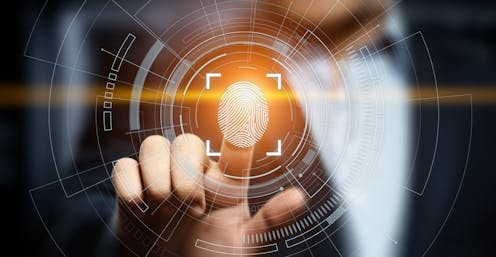
A Sydney high school recently introduced fingerprint technology to “help narrow down” students who were vandalising school toilets.
Under the plan, students needed to to scan their fingerprints to get access to the toilets or pick-up a swipe card if they opted out.
Some parents were supportive, but other parents and digital rights advocates raised privacy and security concerns. The NSW Education Department has since noted the school is still considering how it will handle anti-social behaviour and the community will be “consulted”.
While the fingerprint plan appears to have stalled, it shows how easily biometric technology can be introduced into schools.
This debate may seem new to Australian parents but it is set to become an increasing issue, thanks to a rapidly growing education technology (“edtech”) sector.
How is biometric data being used in schools and what questions do parents need to ask?
Biometric data in schools
Biometrics measure a person’s unique physical or behavioural characteristics to identify them. This could be a fingerprint, face, iris, voice, or the way you walk, type, behave, or express an emotion.
Biometric technology was first introduced in schools in the United Kingdom around 2000. It has since become a routine part of school life. Fingerprints and facial recognition are used for things like the canteen payments, library borrowing, door access, photocopying, locker access, vending machines and laptop access.
It is often argued these technologies save money, time, are efficient and can respond to students’ individual needs.
In the United States, fingerprint technology was introduced in some schools around 2006. Schools also use palm scanning and facial recognition technology, although a small number of states have laws regulating the use of biometric technology in schools and Florida has banned it completely.
We don’t yet have a clear sense about the extent to which biometric data is collected in Australian schools. But in 2018 concerns were raised over trials of facial recognition technology to mark the roll in some Victorian schools. In 2015, parents raised privacy concerns when a South Australian primary school asked students for a fingerprint to “register” for the day.
Why is this a problem?
The UK’s commissioner for biometric material Fraser Sampson is calling for a ban of biometrics in UK schools. As he said in a report this year:
Harm is already very real […] Further risks to the rights and freedoms, and full and free development of the child, may not be fully realised yet.
This is similar to other calls in France and Sweden. We do not have enough independent research or a broad enough understanding of potential harms, which could range from privacy to security, identity theft, and infringements upon children’s rights and freedoms.
The rise of edtechs
Meanwhile, biometrics are part of a booming edtech sector, which is about using technology to improve teaching and learning outcomes. They can be used for school management as well as in the classroom.
According to PwC, edtech is the second largest startup community in Australia (behind financial technology) and has more than doubled since 2017. Globally it is estimated to be worth US$250 billion (A$376 billion).
But while edtech companies collect information about students, we still don’t have a good understanding of how this is then used. Or adequate regulations to protect this information.
Read more: Edtech is treating students like products. Here's how we can protect children's digital rights
Earlier this year in New York, about 820,000 public school students had personal information exposed after a cyber attack on a company that provides software to track grades and attendance.
Biometric technology can easily be integrated into everyday edtech and school operations to manage things like attendance, exams and how students learn.
Reports by the UK Digital Futures Commission highlight the intense pressures and uncertainties schools, students, and parents/caregivers face in a rapidly expanding edtech system. Many school community members struggle to make informed choices.
10 questions to ask about these issues
Australia lags behind other countries in understanding the short and long-term repercussions of biometrics in schools. But we can catch up.
Going forward we need more community education about different biometric technologies and a public register, so there is transparency about where technologies are being used, introduced and refused.
Parents, teachers and school communities need to be better equipped to scrutinise the potential benefits and harms. In most cases this will also need technical, ethical, policy and legal expertise.
During a recent workshop between universities, industry and advocacy groups, we developed information to help parents, schools and policymakers think about these issues and work together to discuss them. Next year we will release a resource for people to learn about edtech, register specific cases across schools, and critically evaluate technologies.
In the meantime, here are some basic questions parents can ask if a biometric technology is being used or proposed in their child’s school:
1. exactly what information is being collected, when and why?
2. how is the data being stored, processed, and analysed?
3. who has access to the system and how will it be maintained over time?
4. what data privacy and security provisions are in place?
5. what happens if I/my child opts out?
6. what implications are there for the time and expertise of teachers, and other school staff?
7. is there enough independent evidence to support claims a new technology will improve learning or school operations?
8. how will funding this technology impact other school budget and resourcing priorities?
9. is there another way to address this issue, rather than using a biometric solution?
10. has my school community had a meaningful opportunity to learn about and discuss this change?
Read more: Why is tech giant Apple trying to teach our teachers?
Authors: Teresa Swist, Researcher, University of Sydney


















