

A new law offers better protection for indigenous plants of significance to Māori, but no requirement to share profits
- Written by: David Jefferson, Lecturer, University of Canterbury
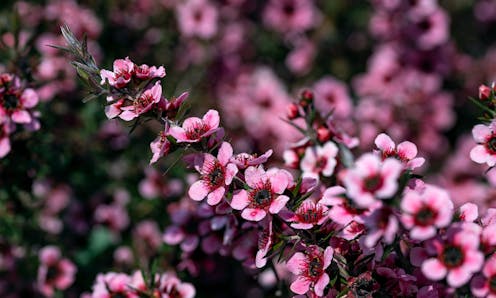
New Zealand law has generally treated agriculture, biodiversity conservation and the protection of Indigenous knowledge (mātauranga Māori) as separate areas.
This changed last month when parliament passed a major reform of the law covering plant variety rights.
Plant Variety Rights (PVR) are a form of intellectual property designed to encourage innovation in plant breeding and to reward breeders for these efforts. In Aotearoa, popular examples of plants protected under the PVR system include the red kiwifruit and Honeycrisp apples.
The reform continues to offer this kind of intellectual property to plant breeders, but the law now also extends new protections for the guardian (kaitiaki) relationships Māori have with taonga plant species, as well as for mātauranga Māori. But it stops short of requiring that any benefits from the commercial use of these plants be shared.
What are taonga plants?
The new act defines taonga plants as those Māori have special relationships with, either because they are indigenous to Aotearoa or because they are believed to have been brought to the country before European settlement from other parts of the Pacific region.
Iwi, hapū and whānau have kaitiaki relationships with many plant species, grounded in reciprocal and mutual obligations. Māori consider taonga plants as tūpuna (ancestors) and kaitiaki have direct whakapapa (genealogical) connections to them. Mātauranga Māori forms the basis of these kaitiaki relationships, encompassing inter-generational knowledge about how to care for and sustainably use these plants.
For example, Ngāi Tahu has long used taramea (Aciphylla or speargrass) as a fragrance. Historically, taramea resin was extracted through cuttings or fire, processed and preserved, and rubbed on the hair and body. Taramea was also a valuable item in trade between Ngāi Tahu and northern tribes.
The protection of taonga plants, kaitiaki relationships and mātauranga Māori is required under the Treaty of Waitangi, which was signed between the British Crown and Māori rangatira (chiefs) in 1840 and guarantees Māori will retain rangatiratanga (chieftainship) over their taonga.
Throughout the 20th century, it was clear this promise was not being upheld. After the original Plant Variety Rights Act was passed in 1987, claimants representing various iwi and hapū brought a legal action (Wai 262) before the Waitangi Tribunal, alleging the Crown had failed to respect Māori rangatiratanga over indigenous biodiversity.
After 20 years of weighing evidence, the tribunal published a report in 2011, recommending a “whole-of-government” approach to protect taonga flora and fauna, and mātauranga Māori. This law reform is the most significant legal development to date.
Preventing misappropriation
Legal issues aside, it is important to protect taonga plants and mātauranga Māori for ethical reasons. For years, kaitiaki relationships have been threatened as non-Māori have benefited from the use of indigenous plants and knowledge.
Nurseries and other non-Māori entities have claimed intellectual property rights over improved varieties of taonga species. Examples include harakeke (flax; Phormium tenax), kāpuka (broadleaf; Griselinia littoralis), korokio (wire-netting bush; Corokia cotoneaster), kōwhai (Sophora microphylla), and tī rākau/tī kōuka (cabbage tree; Cordyline australis).
In most (maybe all) cases, kaitiaki do not receive any direct financial or other benefits from the commercialisation and sale of taonga plants where plant variety rights are owned by non-Māori organisations.
Protection under the new act
The reformed act contains several new protections. When plant breeders apply for plant variety rights for taonga plants, they now need to meet certain requirements.
For example, if the breeder is aware that a kaitiaki relationship with the plant has been asserted, the breeder must engage directly with the kaitiaki.
If the kaitiaki finds that granting plant variety rights for the breeder’s variety would have adverse effects on the kaitiaki relationship, the breeder and kaitiaki must agree on how to mitigate these effects.
The law also creates a new Māori plant varieties committee, which holds the power to make binding decisions to nullify or cancel or impose conditions on any grants of plant variety rights for taonga species that may have adverse effects on kaitiaki relationships.
The new protections are commendable, but there are some gaps in the law.
No shared benefits from commercial use
The PVR Act allows plant breeders to bring legal actions against those who infringe their intellectual property rights. But the law does not contain similar enforcement mechanisms where mātauranga Māori is misappropriated.
The act does not require plant breeders who obtain PVR for varieties of taonga plants to share any benefits they receive from commercial uses of these plants with kaitiaki.
Another issue is that the new law adopts the narrow, species-based approach common to intellectual property laws for plant varieties worldwide. The powers of the Māori plant varieties committee only apply to taonga plant species. Kaitiaki have no say over whether exotic plant varieties are introduced into Aotearoa and protected with PVR, which fails to take into account the effects non-taonga plants could have on the whenua (land) and taiao (environment) should they become invasive.
Overall, the reformed PVR Act is an important step in addressing the recommendations of the Waitangi Tribunal on how the Crown should protect taonga plants and mātauranga Māori. But there is still much work to do to ensure that tangata whenua may exercise rangatiratanga over their taonga.
Time will tell whether other proposed changes – such as the development of a stand-alone intellectual property framework for mātauranga Māori and the creation of a bioprospecting regime – are sufficient to fulfil the promises of Te Tiriti.
Authors: David Jefferson, Lecturer, University of Canterbury


















