

Our laws fail nature. The government’s plan to overhaul them looks good, but crucial detail is yet to come
- Written by: Brendan Wintle, Professor in Conservation Science, School of Ecosystem and Forest Science, The University of Melbourne
The Albanese government has just released its long-awaited response to a scathing independent review of Australia’s environment protection law. The 2020 review ultimately found the laws were flawed, outdated and, without fundamental reform, would continue to see plants and animals go extinct.
The extent to which the government implements the review’s 38 recommendations to strengthen the laws will determine the fate of many species and ecosystems – so, how did it go?
As biodiversity conservation experts, we find the plan to be promising. For example, federal Environment Minister Tanya Plibersek pledged to establish an independent environmental protection agency to be “a tough cop on the beat”.
But some uncertainty remains, and there is also a lot of important detail still to be worked through.
Read more: A major report excoriated Australia's environment laws. Sussan Ley's response is confused and risky
Australia’s extinction crisis
Australia has the world’s worst track record for mammal extinctions. The national threatened species list comprises more than 1,700 species and over 100 threatened ecological communities, and more are added every year.
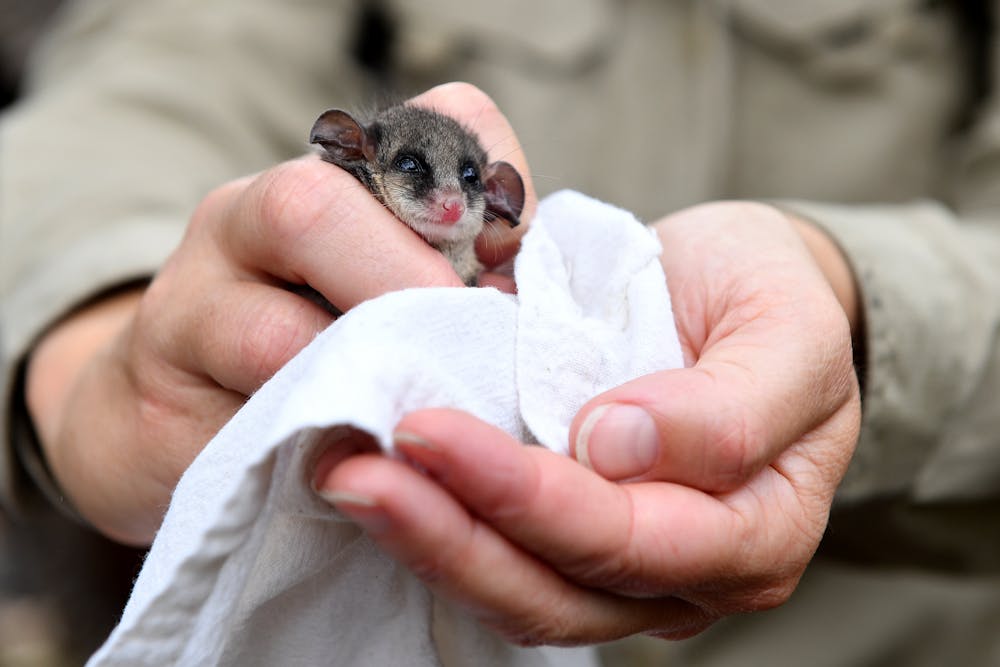
Extraordinary species such as mountain pygmy possums, northern hairy-nosed wombats and regent honeyeaters are hanging on by a thread. Others, such as the white-footed rabbit-rat and the central hare-wallaby, are already lost forever. Previously abundant animals such as bogong moths, which the mountain pygmy possum relies on for food, have become rare.
Australia’s environment law – the Environment Protection and Biodiversity Conservation (EPBC) Act – is ostensibly wildlife’s best defence against a range of threats to their habitat, such as urban development, mining and land clearing.
But this defence has failed, time and again. In just one example, the extinction threat facing the iconic koala has become worse, not better, since it was “protected” under the EPBC Act.
What the plan got right
We note a few standout positives in the government’s response today. One is the promise to rapidly prepare and implement conservation plans – with strong regulatory standing – for each nationally listed threatened species and ecological community.
There is strong merit in this. We encourage a similar emphasis on developing plans to abate threats such as such as feral cats, foxes, deer, and rabbits, that should also have strong regulatory standing.
We’re also pleased to see confirmation of the formation of the environmental protection agency (EPA). This addresses one of the review’s top criticisms on the lack of resourcing and independent enforcement of the EPBC Act.
The model could be a game-changer: undertaking assessments and making decisions about development proposals at arm’s length from government. The EPA will have its own budget and mandatory tabling of an annual report in parliament.
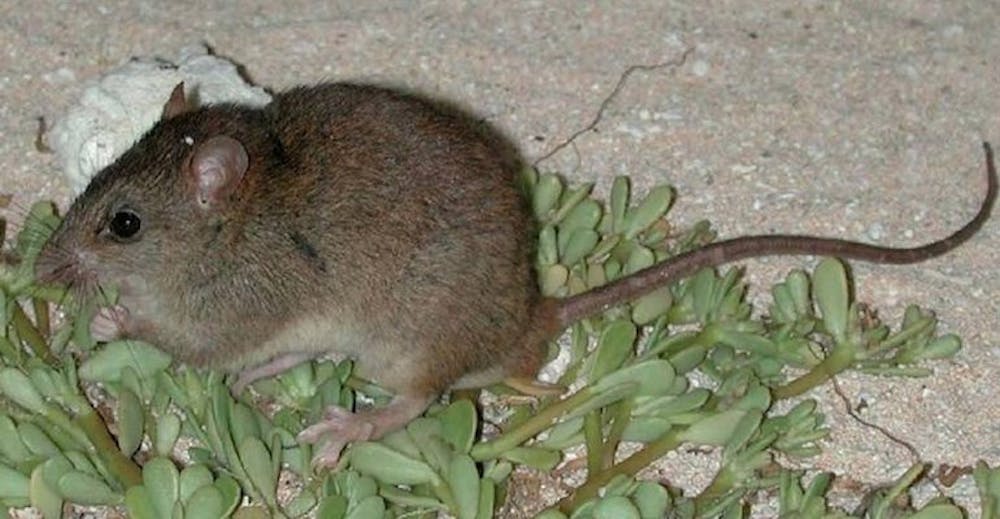 Bramble Cay melomys was declared extinct in 2019.
Ian Bell, EHP, State of Queensland, CC BY-SA
Bramble Cay melomys was declared extinct in 2019.
Ian Bell, EHP, State of Queensland, CC BY-SA
Another big plus is the government’s pledge to deliver on national environmental standards, overseen by the newly formed EPA. These standards describe the environmental outcomes that must be achieved. For example, the standards could require that decisions result in no further population decline of threatened species.
Crucially, these standards will apply to “regional forest agreements”. These agreements are controversial because they effectively exempt forest logging from scrutiny under the EPBC Act. However, the timeline for imposing the standards on regional forest agreements is uncertain, and currently “subject to further consultation with stakeholders”.
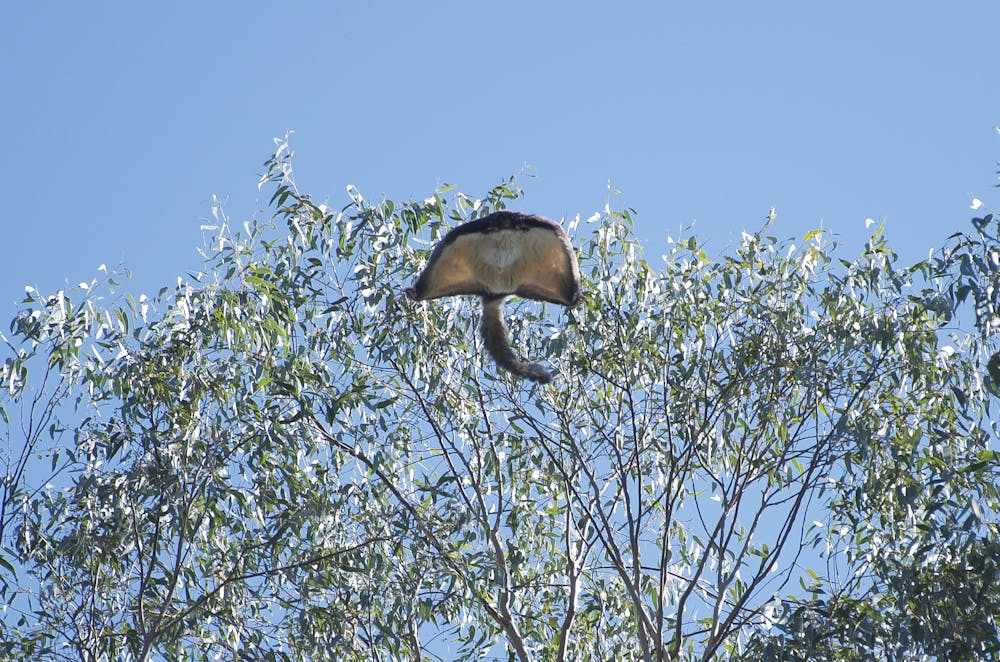 Greater gliders are among the animals threatened by native forest logging.
AAP Image/Supplied by WWF Australia, Sami Raines
Greater gliders are among the animals threatened by native forest logging.
AAP Image/Supplied by WWF Australia, Sami Raines
Finally, a regional planning approach will be used to identify environmentally valuable and sensitive areas in which new developments pose too great a risk, as well as places that are more-or-less available for new development. The critical detail of how those zones are determined is yet to be negotiated.
A major uncertainty: offsets
Perhaps the biggest concern we have about the federal government’s approach relates to environmental offsets. Offsets can be imposed by the government as a way to compensate for environmental destruction by improving nature in other places.
Evidence shows offsets have so far been largely ineffective, in part because existing policy is not properly implemented and rules not enforced. They may even facilitate more biodiversity loss by removing ethical roadblocks to destroying ecosystems and habitat for threatened species.
Environment Minister Tanya Plibersek on Thursday emphasised a move away from simply protecting habitat that already exists in exchange for habitat loss elsewhere (so-called “avoided loss offsets”), and instead focusing on restoration. This is a welcome improvement to how offsets are delivered.
The basics of what biodiversity offsetting involves.However, the government will accept payments into a fund when offsetting is too difficult: for example, when there’s no like-for-like habitat available. This is worrying. If offsets for a threatened species are hard to find, it’s an important signal that we’re reaching the limit of habitat we can lose.
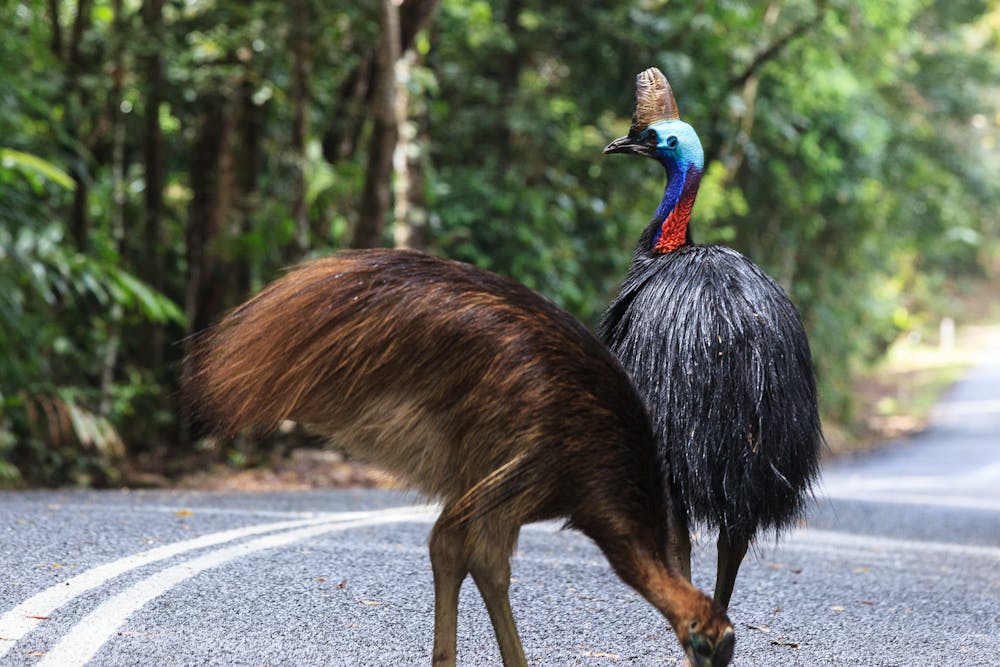
Imagine if a developer cleared cassowary habitat in a Queensland rainforest, and compensated for that by paying for koala tree planting in another part of Australia. Nice for the koala, but we have guaranteed a further decline for the cassowary.
The government’s plan points to the New South Wales Biodiversity Conservation Trust as an example of how these offset payments could be managed. Yet the auditor-general of NSW recently discredited the way this scheme handles offsets, saying it doesn’t lead to enough biodiversity gains compared to the losses and impacts from development in the state.
 The government plans to change environmental offsets.
Shutterstock
The government plans to change environmental offsets.
Shutterstock
The national system would need to be very different to the NSW one if it’s to support the federal government’s goal of zero extinctions by 2030. In practice, this would mean avoiding the use of offsets to compensate for the destruction of habitats that aren’t replaceable or cannot be readily recreated elsewhere.
National environmental standards for environmental offsets haven’t yet been finalised. The detail included in these will be crucial to the success of the scheme.
Show us the money
Much of the federal government’s overhaul is to be welcomed. But we won’t prevent new extinctions unless it’s supported by serious investment to develop and implement plans, and enforce laws. Increased funding to recover endangered species is also urgently needed, to the tune of A$2 billion per year.
This is nowhere near as much as we spend on, for instance, submarines or even caring for our cats and dogs.
Read more: 5 big ideas: how Australia can tackle climate change while restoring nature, culture and communities
But it’s an order of magnitude more than our current spend on targeted threatened species recovery actions.
By and large, the proposed plan looks set to make a positive difference to Australia’s threatened plants and animals. But a lot of detail remains to be worked through. Getting that detail right could mean the difference between a species surviving, or disappearing forever.
Authors: Brendan Wintle, Professor in Conservation Science, School of Ecosystem and Forest Science, The University of Melbourne


















