

5 tips to take the best care of your voice for everyone who sings, from a speech pathologist
- Written by: Sandra Rojas, Speech pathologist, Voice specialist, Researcher, Federation University Australia

The care of your singing voice is crucial to maintain a healthy and long-life voice.
Professional singers often have teams of people keeping their voices healthy, and they have received lots of training in how to take care of their voice.
But everyone who sings – from young students to passionate amateurs – should be taking care of their voice.
If you are a singer, here are five crucial tips to prevent vocal problems.
1. Keep hydrated
Hydration is the most important fact to be considered when singing.
When we are dehydrated, the biomechanical properties of our vocal folds are impacted, decreasing our vocal range and increasing the stress on these folds.
Singers who do not hydrate well are at risk of developing voice disorders such as nodules and polyps.
An easy way to stay hydrated is to keep up your water consumption. Singers can complement this by using nebulisers and humidifiers.

Humidifiers balance out dry air caused by heating or air conditioning.
Nebulisers assist with hydration directly. By breathing in a saline water solution or purified water, we can see an immediate influence on our vocal folds.
You don’t need fancy equipment. You can also breathe in steam from boiled water. Make sure to be careful with the temperature, as steam can burn our airway when it is too hot. Pour boiled water into a bowl, wait 5-7 minutes, place a towel over your head and then breathe in as many times as you like.
2. Warm-up and cool-down your voice
Vocal warm-up and cool-down exercises are crucial: these will have a positive benefit on your voice in the moment and prevent future injuries.
An easy warm-up you can try only requires a straw. With a straw between your lips into the air or a cup of water, make a “u” sound. Working for five minutes, change the pitch and frequency of making this sound. The added resistance of singing through a straw will give your vocal folds a good work out.
You can also add resistance by speaking or singing into a CPR mask.
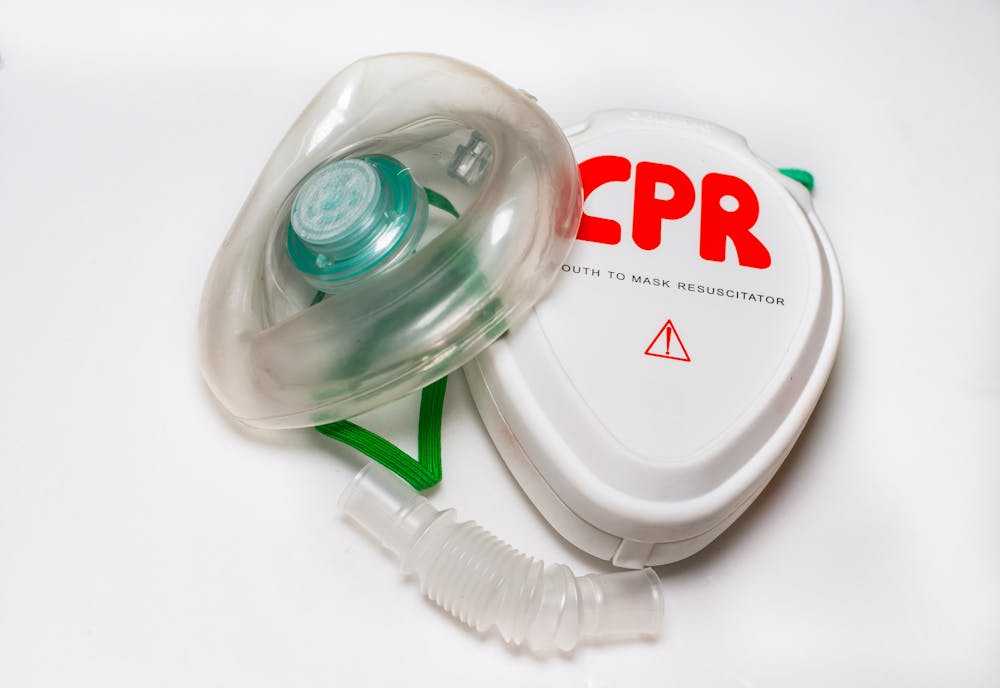 Add resistance by singing through a CRP mask.
Shutterstock
Other exercises don’t require these materials. You can try lips or tongue trills, humming and blowing raspberries.
While there are many internet tutorials on how to do these exercises, I suggest you practise under professional supervision to avoid damaging your voice by going beyond your vocal limits.
3. Watch your lifestyle factors
Lifestyle is fundamental when taking care of our voices.
In order to avoid injuries or develop any voice disorders, we should monitor external factors such as maintaining a balanced diet, having periods of rest and reducing the consumption of cigarettes, alcohol, drugs, caffeine and soft drinks.
By changing these habits, you can preserve good vocal health and keep your body running properly. You can also guard against developing reflux.
 Drinking soft drinks can negatively impact your voice.
Shutterstock
Reflux occurs when acids from your stomach travel back up your throat. Symptoms include a burning sensation in your chest (heartburn), backwash (regurgitation) of food or sour liquid, upper abdominal or chest pain, trouble swallowing (dysphagia) or a sensation of a lump in your throat.
This stomach acid can dry and irritate your vocal folds.
If you do experience any of these symptoms, keep up your water intake, try to avoid lying down for at least two to three hours after a meal and keep your head elevated using an extra pillow or two while you sleep.
If these symptoms persist, visit your doctor for further examination.
Read more: Explainer: what is gastric reflux?
4. Listen to your body
Sometimes our body sends signals when struggling. We should pay close attention to what our bodies are telling us.
Negative warning signs can include a reduced tonal range, constant throat clearing, vocal fatigue, pain during or after singing or talking, mild or moderate abdominal tension, unstable voice, pitch breaks, difficulty singing or speaking softly.
Speaking or singing should not present with any negative symptoms or conditions.
It’s important to note home remedies like tea with honey, lemon and ginger, and gargles with salty water – or even alcohol – do not fix your voice. These will go directly to the oesophagus and will not have any effect on your vocal folds.
If you are experiencing symptoms like these, pay more attention to things like your warm up, your cool down, periods of rest and your levels of hydration. If they persist, visit a doctor or a speech pathologist.
Read more: How to actually fix a lost voice, according to science (hint: lemon and honey doesn't work)
5. See a professional
Don’t try and push through any pain or difficulties you are facing.
When facing any vocal difficulty, you should visit an ear, nose and throat doctor (ENT) or a speech pathologist.
An ENT can check your larynx and other structures to make sure you do not have any organic or functional disorders impacting your voice.
If you would like to practise new techniques – like belting or voice distortions – consult with voice specialists like speech pathologists, vocal coaches or music teachers who are experts on these areas.
Last but not least, check your voice with professionals once a year. This will help with the prevention of future injuries and help you maintain a healthy voice.
Authors: Sandra Rojas, Speech pathologist, Voice specialist, Researcher, Federation University Australia