

Our hybrid media system has emboldened anti-LGBTQ+ hate – what can we do about it?
- Written by: Justin Ellis, Senior Lecturer in Criminology at the University of Newcastle, University of Newcastle
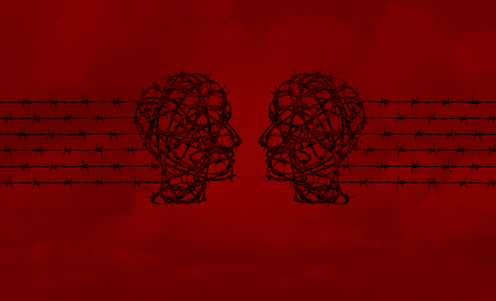
Anti-LGBTQ+ hate from religious conservatives and far-right extremists in the United States, and now in Australia, is a worrying trend.
It was shocking to see video of an attack on a peaceful LGBTQ+ protest outside a church in southwest Sydney where Mark Latham was speaking in the lead-up to the 2023 New South Wales election. Out gay politician Alex Greenwich has brought a defamation suit against Latham over an offensive homophobic tweet.
There are reports of increases in homophobic abuse and assaults on Sydney’s Oxford Street. Drag queen storytime events have been targeted in the United States, the United Kingdom, Canada, New Zealand and Australia. Last week, local councils in Victoria cancelled several events following threats from far-right activists.
These developments suggest that bigotry needs only to find the right conditions to turn into violence, and that the stigma against same-sex attraction and related gender identities can be invoked long after decriminalisation and de-pathologisation.
This wave of anti-LGBTQ+ hate has its cultural and technological origins in the US, where religious affiliation is higher than in Australia, New Zealand, Canada, England and Wales. Baseless claims that male same-sex attraction and drag performance are threats to children have more political traction in the US, as a wave of anti-LGBTQ+ legislation there shows.
Yet the issues remain a concern in any jurisdiction where US news media has audiences and digital platforms operate.

Commercialising hate and emboldening extremists
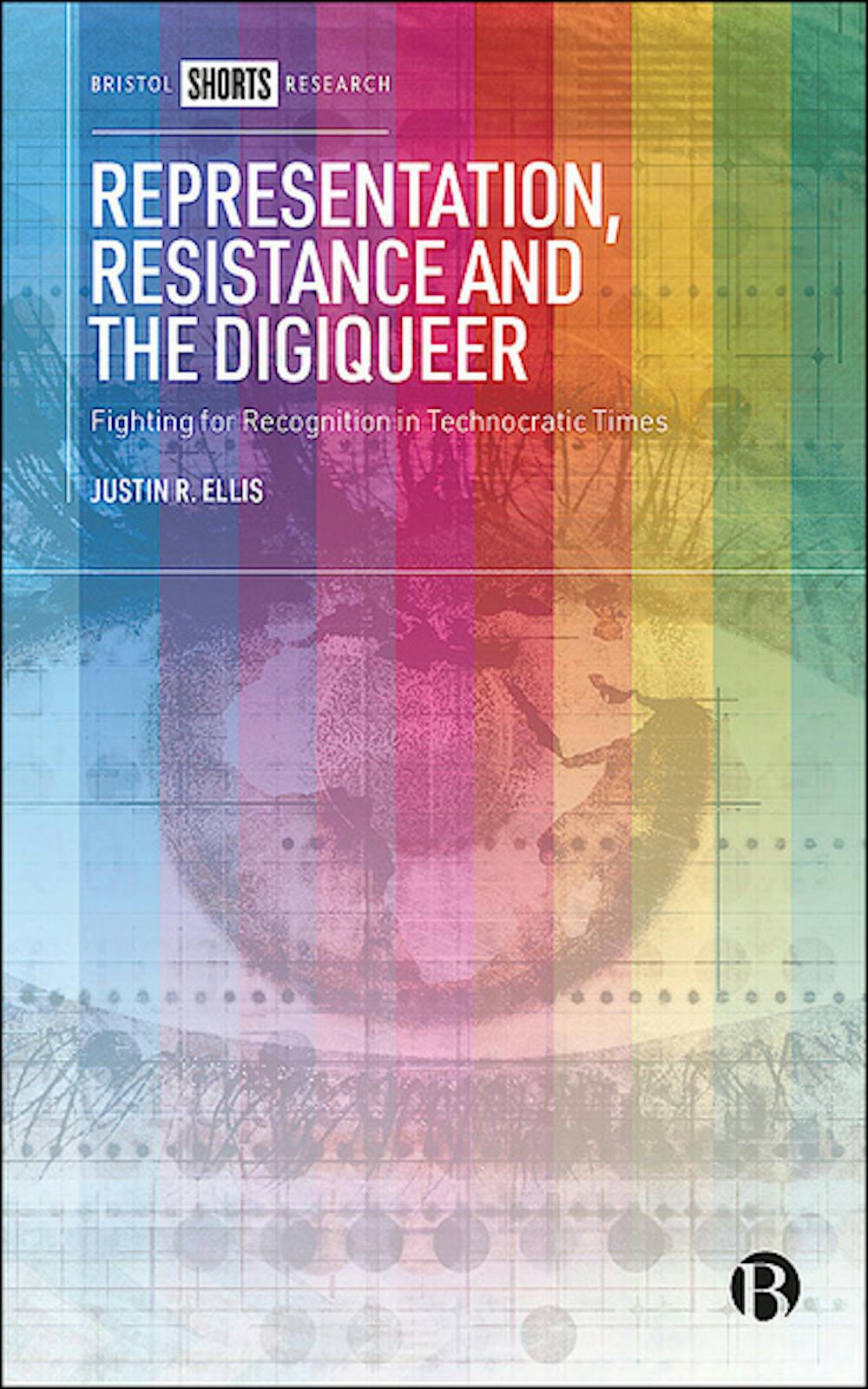
My research in Representation, Resistance and the Digiqueer: Fighting for Recognition in Technocratic Times has examined the growth of far-right opposition to LGBTQ+ expression in Australia and the US in recent years. This extremism has been driven by a confluence of religion, nationalism, technology, commercialisation and sexual politics.
Notions of “sexual purity”, linked to nationhood by religious groups and far-right extremists, are circulated via the “manosphere”: an overlapping group of websites, online forums and blogs that promote masculinity and misogyny.
The Center for Countering Digital Hate estimates that anti-LGBTQ+ extremists are picking up followers at quadruple the rate since Elon Musk acquired Twitter.
 Twitter and Facebook comprehensively failed to enforce community standards amid a surge in hateful online anti-LGBTQ+ rhetoric triggered by Florida’s “Don’t Say Gay or Trans” Bill.
Anti-LGBTQ+ “grooming” rhetoric went viral on Twitter after the Colorado Springs shooting in November last year. Meta, which owns Facebook, has profited from advertisements directing child “grooming” rhetoric against the LGBTQ+ community and its allies. At least 59 advertisements promoting that rhetoric were served to users more than 2.1 million times.
The monetising of hate through YouTube includes the sale of mundane items such as sweatshirts and mugs adorned with homophobic slurs. YouTube profited from the vilification of gay journalist Carlos Maza by far-right YouTuber Steven Crowder, until the site eventually demonetised Crowder’s account.
Crowder is part of an assortment of scholars, media pundits and internet celebrities that has been termed the Alternative Influence Network. This network seeks to radicalise through social networking practices, promoting political ideologies on YouTube that range from mainstream versions of libertarianism and conservatism to overt white nationalism.
This agenda has been amplified through inadequate moderation of online hate by digital platforms, opportunistic politicians, and commercial exploitation of anti-LGBTQ+ hate by the “angertainment” industry – programming characterised by anger, or which provokes anger in its audience.
The latest annual European Union review of online platforms’ compliance with the EU’s code of disinformation bears this out. TikTok is the only platform to have improved on the timely removal of hate speech.
Read more:
Uncivil wars? Political lies are far more dangerous than Twitter pile-ons
Political permissiveness and the ‘Trump effect’
The polarisation of editorial positions within traditional news media has, at the same time, encouraged the online growth of partisan agendas. Polarisng misinformation can be a revenue generator. It can also undermine confidence in democratic elections and propagate climate denialism, feeding the misinformation and disinformation ecosystem.
This has occurred within a broader context of misinformation driven by domestic politicians and permissiveness by digital platforms towards hateful conduct.
It is in this context of ambiguity and baseless claims that hate against LGBTQ+ individuals and communities has thrived, under the auspices of a “freedom of speech” that does not strike a reasonable balance between expression and dignity.
Conservative Christian and far-right movements have sought to capitalise on the so-called “Trump effect”. This refers to the theory that the divisive rhetoric used by Donald Trump emboldens perpetrators of hate, thereby creating even more hate.
According to the Southern Poverty Law Center, groups that vilify the LGBTQ+ community represented the fastest-growing sector among hate groups in 2019, expanding from 49 in 2018 to 70 in 2019 – a nearly 43% increase.
The US Capitol riot in January 2021 became a recruitment drive for some extremist groups. The anti-LGBTQ+ group the Proud Boys grew from 43 chapters in 2020 to 72 in 2022.
Twitter and Facebook comprehensively failed to enforce community standards amid a surge in hateful online anti-LGBTQ+ rhetoric triggered by Florida’s “Don’t Say Gay or Trans” Bill.
Anti-LGBTQ+ “grooming” rhetoric went viral on Twitter after the Colorado Springs shooting in November last year. Meta, which owns Facebook, has profited from advertisements directing child “grooming” rhetoric against the LGBTQ+ community and its allies. At least 59 advertisements promoting that rhetoric were served to users more than 2.1 million times.
The monetising of hate through YouTube includes the sale of mundane items such as sweatshirts and mugs adorned with homophobic slurs. YouTube profited from the vilification of gay journalist Carlos Maza by far-right YouTuber Steven Crowder, until the site eventually demonetised Crowder’s account.
Crowder is part of an assortment of scholars, media pundits and internet celebrities that has been termed the Alternative Influence Network. This network seeks to radicalise through social networking practices, promoting political ideologies on YouTube that range from mainstream versions of libertarianism and conservatism to overt white nationalism.
This agenda has been amplified through inadequate moderation of online hate by digital platforms, opportunistic politicians, and commercial exploitation of anti-LGBTQ+ hate by the “angertainment” industry – programming characterised by anger, or which provokes anger in its audience.
The latest annual European Union review of online platforms’ compliance with the EU’s code of disinformation bears this out. TikTok is the only platform to have improved on the timely removal of hate speech.
Read more:
Uncivil wars? Political lies are far more dangerous than Twitter pile-ons
Political permissiveness and the ‘Trump effect’
The polarisation of editorial positions within traditional news media has, at the same time, encouraged the online growth of partisan agendas. Polarisng misinformation can be a revenue generator. It can also undermine confidence in democratic elections and propagate climate denialism, feeding the misinformation and disinformation ecosystem.
This has occurred within a broader context of misinformation driven by domestic politicians and permissiveness by digital platforms towards hateful conduct.
It is in this context of ambiguity and baseless claims that hate against LGBTQ+ individuals and communities has thrived, under the auspices of a “freedom of speech” that does not strike a reasonable balance between expression and dignity.
Conservative Christian and far-right movements have sought to capitalise on the so-called “Trump effect”. This refers to the theory that the divisive rhetoric used by Donald Trump emboldens perpetrators of hate, thereby creating even more hate.
According to the Southern Poverty Law Center, groups that vilify the LGBTQ+ community represented the fastest-growing sector among hate groups in 2019, expanding from 49 in 2018 to 70 in 2019 – a nearly 43% increase.
The US Capitol riot in January 2021 became a recruitment drive for some extremist groups. The anti-LGBTQ+ group the Proud Boys grew from 43 chapters in 2020 to 72 in 2022.
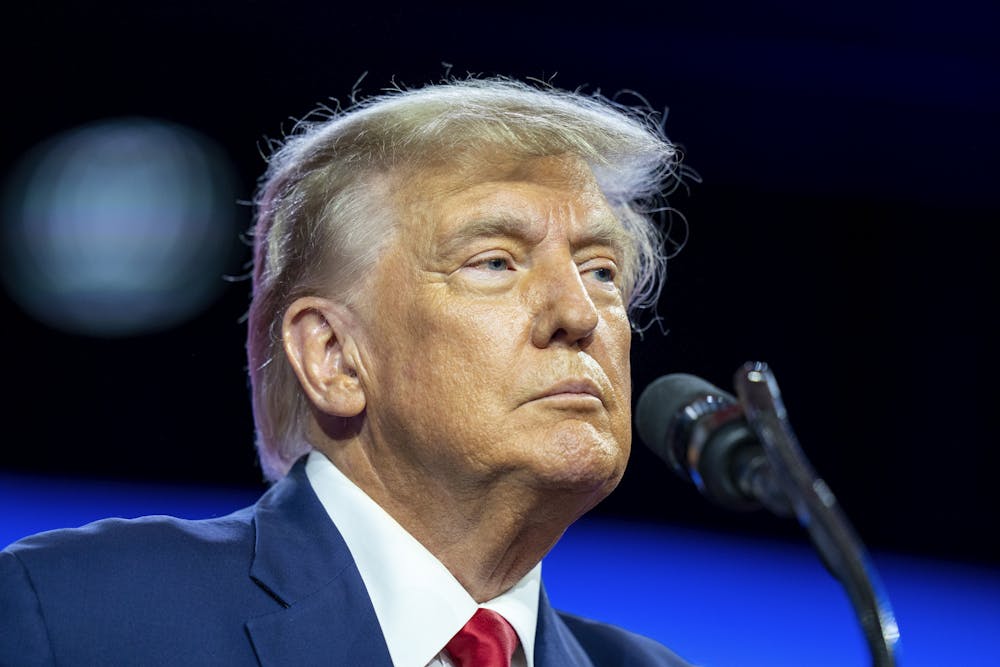 The ‘Trump Effect’ has lead to an increase in divisive rhetoric.
Alex Brandon/AP
Read more:
Clickbait extremism, mass shootings, and the assault on democracy – time for a rethink of social media?
Visibility as a double-edged sword
The increase in hate is occurring in a period when more and more people are identifying as something other than heterosexual.
In Australia, an estimated 11% of the population have a diverse sexual orientation or gender identity.
In the US, 7.1% of the adult population identify as one of these non-heterosexual identities, double the percentage from 2012. According to the same survey, roughly 20.8% of Generation Z (born between 1997 and 2003) and 10.5% of Millennials (born between 1981 and 1996) in the US identify as lesbian, gay, bisexual and/or transgender.
This visibility has become a double-edged sword. Communities have gained recognition through identity politics, but their visibility makes them a potential target for violence. Bigots know this, and that is why they often personalise their slurs.
At the same time, the rise of anti-LGBTQ+ hate has occurred despite – and likely as a consequence of – the decriminalisation of same-sex conduct in a growing number of jurisdictions, the expansion of legitimate categories of vulnerability enshrined in anti-discrimination law, and progress made on marriage equality.
The contradictory nature of the current hybrid ecosystem of old and new media illustrates this point. The rise of social media has created an environment in which there has never been greater opportunity for the diverse expression of sexual orientation and gender. At the same time, engaging in that expression means navigating the potential violence of the online world, and its manifestations in interpersonal violence.
Read more:
What is essentialism? And how does it shape attitudes to transgender people and sexual diversity?
Addressing the hate feedback loop
What needs to be done to address the hate feedback loop? For a start, conservative groups that might have perceived themselves as the legitimate definers of state policy need to engage in challenging debates without resorting to hateful conduct.
Digital platforms also need to address online hate in a timely manner and their responses need to be coordinated across platforms. Transparency is needed to expose algorithmic decision-making processes that might perpetuate bias.
A better balance between fact-based reporting and opinion, and an emphasis on evidence-based reasoning, would also go some way to addressing unqualified freedom of speech claims.
At the same time, we need election campaigns that resonate with constituents’ lived experiences, not ones that resort to divisive political messaging. This has been evident in some recent elections in Australia, notably the 2018 state election in Victoria.
From a legal perspective, it is necessary to consider whether anti-vilification and incitement to violence legislation adequately addresses the broadening of non-heterosexual identification.
There are, for example, calls to reform anti-vilification legislation in Victoria. Exemptions from anti-discrimination laws that protect LGBTQ+ people from service and employment discrimination are the focus of the Australian Law Reform Commission’s inquiry into exceptions for religious schools. Growing calls to revise Australia’s privacy legislation need to be heeded.
The origins of the anti-LGBTQ+ hate feedback loop are complex. But they are not insurmountable. Not addressing them will leave a growing number of people susceptible to violence, which diminishes us all.
Authors: Justin Ellis, Senior Lecturer in Criminology at the University of Newcastle, University of Newcastle
The ‘Trump Effect’ has lead to an increase in divisive rhetoric.
Alex Brandon/AP
Read more:
Clickbait extremism, mass shootings, and the assault on democracy – time for a rethink of social media?
Visibility as a double-edged sword
The increase in hate is occurring in a period when more and more people are identifying as something other than heterosexual.
In Australia, an estimated 11% of the population have a diverse sexual orientation or gender identity.
In the US, 7.1% of the adult population identify as one of these non-heterosexual identities, double the percentage from 2012. According to the same survey, roughly 20.8% of Generation Z (born between 1997 and 2003) and 10.5% of Millennials (born between 1981 and 1996) in the US identify as lesbian, gay, bisexual and/or transgender.
This visibility has become a double-edged sword. Communities have gained recognition through identity politics, but their visibility makes them a potential target for violence. Bigots know this, and that is why they often personalise their slurs.
At the same time, the rise of anti-LGBTQ+ hate has occurred despite – and likely as a consequence of – the decriminalisation of same-sex conduct in a growing number of jurisdictions, the expansion of legitimate categories of vulnerability enshrined in anti-discrimination law, and progress made on marriage equality.
The contradictory nature of the current hybrid ecosystem of old and new media illustrates this point. The rise of social media has created an environment in which there has never been greater opportunity for the diverse expression of sexual orientation and gender. At the same time, engaging in that expression means navigating the potential violence of the online world, and its manifestations in interpersonal violence.
Read more:
What is essentialism? And how does it shape attitudes to transgender people and sexual diversity?
Addressing the hate feedback loop
What needs to be done to address the hate feedback loop? For a start, conservative groups that might have perceived themselves as the legitimate definers of state policy need to engage in challenging debates without resorting to hateful conduct.
Digital platforms also need to address online hate in a timely manner and their responses need to be coordinated across platforms. Transparency is needed to expose algorithmic decision-making processes that might perpetuate bias.
A better balance between fact-based reporting and opinion, and an emphasis on evidence-based reasoning, would also go some way to addressing unqualified freedom of speech claims.
At the same time, we need election campaigns that resonate with constituents’ lived experiences, not ones that resort to divisive political messaging. This has been evident in some recent elections in Australia, notably the 2018 state election in Victoria.
From a legal perspective, it is necessary to consider whether anti-vilification and incitement to violence legislation adequately addresses the broadening of non-heterosexual identification.
There are, for example, calls to reform anti-vilification legislation in Victoria. Exemptions from anti-discrimination laws that protect LGBTQ+ people from service and employment discrimination are the focus of the Australian Law Reform Commission’s inquiry into exceptions for religious schools. Growing calls to revise Australia’s privacy legislation need to be heeded.
The origins of the anti-LGBTQ+ hate feedback loop are complex. But they are not insurmountable. Not addressing them will leave a growing number of people susceptible to violence, which diminishes us all.
Authors: Justin Ellis, Senior Lecturer in Criminology at the University of Newcastle, University of Newcastle 

















