

Exhausted, disconnected and fed up – what is 'parental burnout' and what can you do about it?
- Written by: Alan Ralph, Honorary Principal Fellow, School of Psychology, The University of Queensland
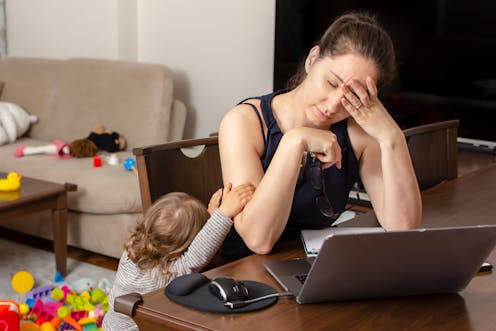
For many parents, the reality of juggling the demands of caring responsibilities on their time, energy and resources leaves them with little time to take care of their own wellbeing. This can result in “parental burnout”.
Although the exploration of parental burnout is relatively new, research has identified it as a prevalent issue across global communities and cultures. It’s reported in countries around the world, with the highest prevalence rates rising to 8% of parents in Poland, the United States and Belgium.
You could be forgiven for thinking there’s a simple solution to this growing concern: relax and get some sleep! But again, the reality can be far different.
4 signs of parental burnout
Parental burnout is not just a buzzword. It’s a growing syndrome that results from chronic parenting stress. It is characterised by four main symptoms for parents:
- experiencing physical or emotional exhaustion – or both
- feeling shame about their parenting, or that they’re not as good a parent as they used to be
- feeling overwhelmed or “fed up” with the role of being a parent
- feeling emotionally disconnected from their children.
Despite many feeling this way, recent research shows 60% of parents don’t routinely do anything to relax and recharge. This research reports two in five parents feel tiredness impacts their ability to be the kind of parent they want to be, and nearly half of all parents think there’s not enough time in the day to get everything done.
And that’s the conundrum. It can be hugely challenging for caregivers to carve out time and space to look after themselves.
But when they do, it can have a positive impact on their physical and mental health, which can help them to manage the demands of parenting, so children and families benefit too.

Read more: Emotional abuse is a pattern of hurtful messages – building parenting skills could help prevent it
4 positive things parents can do
So what can parents and carers do to help prevent or reduce burnout when they’re already stretched so thin? Here are four things to explore:
1. Being less critical of yourself
As parents, we can all have days when we don’t feel like we’re doing our best. We may feel disconnected from our children, or emotionally and physically drained. This is where “self-compassion” comes in – being a little kinder to ourselves when we feel stressed or experience setbacks. Not only is this good for parents and carers, it can be a key life skill they can model for their children.
Even though it can be overlooked, or its importance downplayed, self-compassion is a crucial form of self-care. Moreover, research has shown parents who are kind to themselves and prioritise self-care have better overall health and well-being. They also feel more confident in their parenting skills and have more positive interactions with their children. And parent’s well-being, confidence and positive interactions with their children are strongly linked to better outcomes for children, including those with mental health challenges or disability.
Even if you make mistakes or your inner critic starts chiming in, try to reframe its voice into a more positive one. Remember, everyone faces challenges and there is no such thing as a perfect parent or child. Adopting this mindset can help.
2. Reframing self-care
As a parent or carer, it’s common to put your own needs last and see self-care as an optional extra – something that takes precious time away from the responsibilities of parenting, or simply so low on the long list of priorities that it slips off.
However, taking care of yourself is the opposite of being selfish. Parents who prioritise self-care tend to be less self-critical and have better physical and mental health. They also feel more skilled and confident as parents, are able to focus on parenting tasks better – even during stressful times – and are more likely to enjoy parenting.
It can be helpful to remember self-care isn’t just a “nice to have” option. And it’s not selfish to put your needs back into the picture – rather, it’s an important parenting skill that benefits everyone.
Read more: Your kid is having a meltdown in the supermarket. In tough parenting moments, here's what you can do
3. Remembering small, everyday moments of self-care have a big impact
The concept of self-care is often portrayed as a special treat or occasional, expensive indulgence. However, it can be more about those small, every day, under-the-radar actions that might only take a few minutes, or even seconds, but can set up positive patterns that can help parents to feel more balanced. Something as simple as pausing to take some slow, deep breaths, going for a short walk in the fresh air or chatting with a supportive friend can help.
Even minor actions can add up over time to help parents navigate ups and downs more positively.
4. Asking for help
Parental burnout is one part of a larger conversation around the realities of being a parent or carer. There are often multiple factors at play that can contribute to burn out, such as lack of support, high levels of responsibility, the impact of natural disasters, looking after ageing parents and financial concerns.
It’s important for parents and carers to be mindful of the signs of burnout, and to seek help where needed. By addressing this issue as one important part of the broader parenting and care-giving journey, we can work towards creating more resilient, positive family environments for parents and children alike.
It is important to acknowledge that it is usually women who shoulder more of the caring load. Partners, employers and extended family should be on the look out for signs of burnout and offer help before they are asked. Offering flexible work arrangements may be helpful, especially for those (for example, single parents) who may be doing it tough.
If parental burn out is affecting your day-to-day life, seek help through Lifeline, Parentline, your GP or an allied health professional. The Australian government has also made an evidence-based parenting support program available for free.
Authors: Alan Ralph, Honorary Principal Fellow, School of Psychology, The University of Queensland


















