

Is standing at your desk actually better than sitting? Here's what the evidence says
- Written by: Josephine Chau, Senior Lecturer in Public Health, Macquarie University

In modern life, many of us spend the majority of our waking hours sitting. A recent review of the research has reiterated the harmful health impacts of prolonged, unbroken periods of sitting.
Many workplaces have adopted sit-stand desks, which allow you to sit down or stand up with the push of a button or lever, to reduce the harms of prolonged sitting.
But how much better is standing? And are there risks of too much standing? Here’s what the research says about the risks of too much sitting and standing, and whether it’s worth investing in – or ditching – a sit-stand desk.
Read more: COVID saw us sitting longer – and diabetes rose globally by 16% in 2 years. Time to get moving
What are the hazards of too much sitting?
People who sit a lot have higher chances of developing chronic diseases such as type 2 diabetes, heart disease, and some cancers, and having a shorter lifespan. Prolonged sitting can also lead to musculoskeletal complaints, particularly in the neck and back.
Excessive sitting is even more harmful to health among people who do very little exercise or who do not meet the recommended levels of physical activity.
Being physically active is important for reducing the health risks linked to being sedentary, but it may not fully cancel out the negative effects of spending long hours sitting each day.
Prolonged standing can be harmful too
Extended periods of standing can be harmful to musculoskeletal health. Prolonged standing may lead to musculoskeletal symptoms such as muscle fatigue, leg swelling, varicose veins, and pain and discomfort in the low back and lower extremities (hips, knees, ankles and feet).
Recent research suggests limiting standing to about 40 minutes at a time, without a break, would reduce the chances of developing muscle and joint aches and pains due to prolonged standing. This applies to people who may or may not have had symptoms before.
Not everyone who stands for prolonged periods will experience these musculoskeletal symptoms, and some people may be more resilient to the effects of prolonged standing than others.
However, even if you take a break from standing, if you have previously developed standing-related aches and pains, you’re more likely to experience them again when you resume standing.
Read more: How the media oversold standing desks as a fix for inactivity at work
Break up extended periods of sitting
Reducing or interrupting sitting by standing up or moving around can improve your blood circulation, metabolism, heart health, mental health and lifespan.
Modelling studies show that swapping one hour of sitting each day for one hour of standing leads to improvements in waist circumference, fat and cholesterol levels.
The benefit is even greater when sitting is replaced with walking or moderate-to-vigorous activity.
Interrupting prolonged sitting time with as little as two minutes of walking every 20 minutes or five minutes of walking every 30 minutes can improve blood glucose, fat, and cholesterol levels.
Other research shows breaking up prolonged sitting time with three minutes of light walking or simple resistance exercises, such as squats and calf raises, every 30 minutes is also effective.
The evidence on sit-stand desks
Sit-stand desks can effectively reduce sitting time during the workday among desk-based workers. Sit-stand desk users tend to alternate between sitting and standing postures, instead of standing up for extended periods.
However, the extent of developing a new habit of working while standing up varies, and many users revert to their previous way of working sitting down in the longer term.
Sit-stand desks alone are not sufficient to reduce desk-based workers’ sitting time. Employers and organisations must factor this into their workplace policies, environment and culture to ensure “sit less and move more” initiatives are effectively delivered and sustained.
Should I ditch my sit-stand desk?
If you already have a sit-stand desk, whether you should keep or get rid of it will depend on a range of factors.
Think about your usage patterns. Do you use your desk regularly in a standing position, or do you mainly use it sitting down?
Consider your comfort. Does standing or sitting for prolonged periods while working lead to any discomfort or fatigue in your body? If so, you may need to adjust your sit-stand routine or include extra supports, such as a floor mat for more comfortable standing or a foot rest for safer sitting, to avoid injury.
Assess your desk ergonomics. Is your sit-stand desk set up ergonomically safe for working in both sitting and standing positions? Proper ergonomics are essential to ensure you work in a safe and comfortable way in the office and from home.
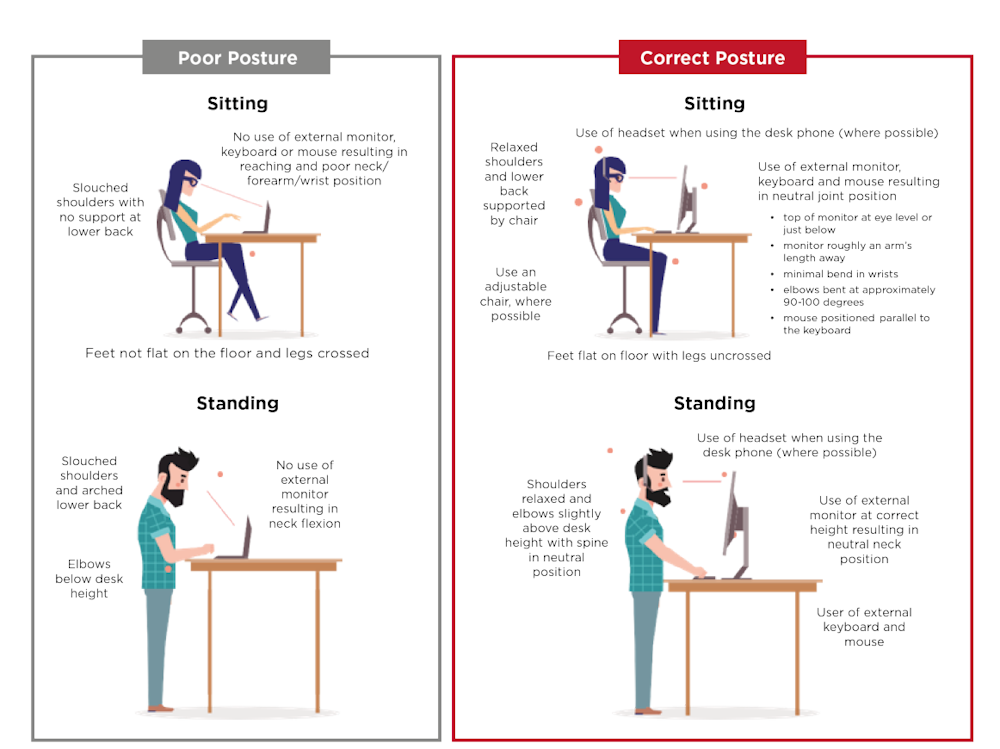
Reflect on your health needs. Will reducing and breaking up prolonged sitting time with standing alleviate discomfort due to sitting or contribute to improving your metabolic and heart health? Standing up and moving around regularly throughout the workday will achieve similar benefits regardless of your desk type.
If you have an existing health condition or ongoing musculoskeletal symptoms, seek advice from a health care professional or ask your employer about organising an assessment with an ergonomics specialist. Expert guidance can help you make an informed decision about your sit-stand desk.
Finally, weigh up the cost and space requirements of your sit-stand desk. If you are not using it in a standing position much, maybe it’s just taking up space and not providing a return on your investment?
Ultimately, the decision to keep or ditch your sit-stand desk will come down to a balance of these considerations.
Being physically active is most important
Physical activity guidelines from governments and health-related agencies, such as those from Australia and the World Health Organization, recommend adults limit the amount of time spent sitting. Interrupting and replacing sitting time with physical activity of any intensity – even light intensity – has health benefits.
The WHO further recommends adults “aim to do more than the recommended levels of moderate- to vigorous-intensity physical activity” to reduce the harmful health effects of high levels of sitting.
In other words, just standing is not enough to reduce the harms of prolonged sitting. We need to sit less and move more.
Read more: Research Check: will binge-watching TV increase your risk for Alzheimer's disease and diabetes?
Authors: Josephine Chau, Senior Lecturer in Public Health, Macquarie University


















