

We've committed to protect 30% of Australia's land by 2030. Here's how we could actually do it
- Written by James Fitzsimons, Adjunct Professor in Environmental Sciences, Deakin University
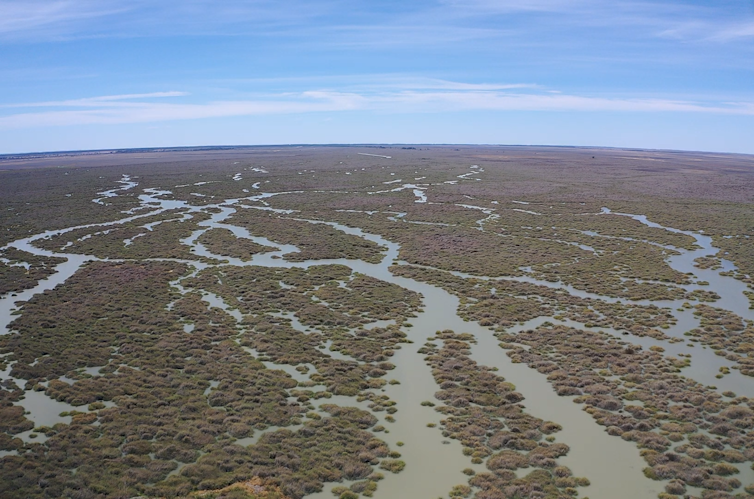
In the mid 1990s, only 7% of Australia’s land was protected for conservation. Now, it’s more than tripled to 22%.
But to reach our ambitious goal of boosting protection to 30% by 2030, we’ll have to sharpen our focus and boost funding.
In December last year, Australia joined 195 other nations in signing on to the Global Biodiversity Framework to tackle the world’s worsening biodiversity crisis. Each nation agreed, in brief, to set a goal of “30x30” – protecting at least 30% of land, freshwater and ocean ecosystems by 2030.
Our territorial waters already have 45% under varying forms of protection. But land can be harder. The question now is – how do we get to 30%, which includes land and freshwater ecosystems? In a new report, we show how we can do it.
Read more: Protecting 30% of Australia's land and sea by 2030 sounds great – but it's not what it seems
Four steps to 30%
1. Establish a new dedicated land fund
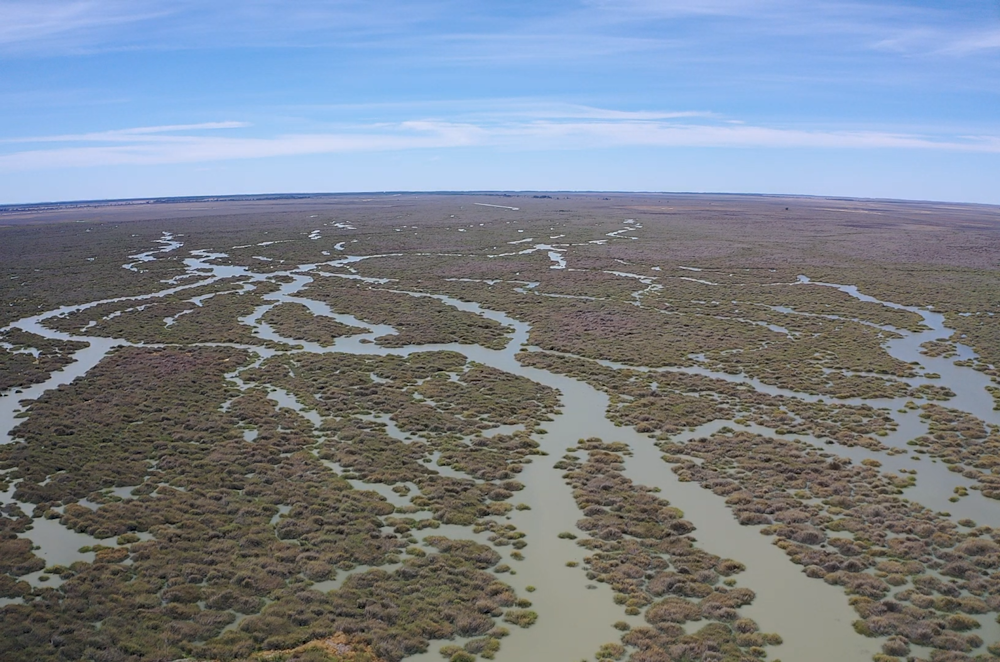
Buying land to protect it works, and works well. Between 1996 and 2013, the government’s National Reserve System Program channelled funds to state governments and land trusts to buy tracts of land to protect some of our most endangered and least protected ecosystems, such as native grasslands and wetlands.
Under fund-matching provisions, the program led to new state government and philanthropic money invested in conservation. If we fund a new A$5 billion program, we can begin making conservation gains again.
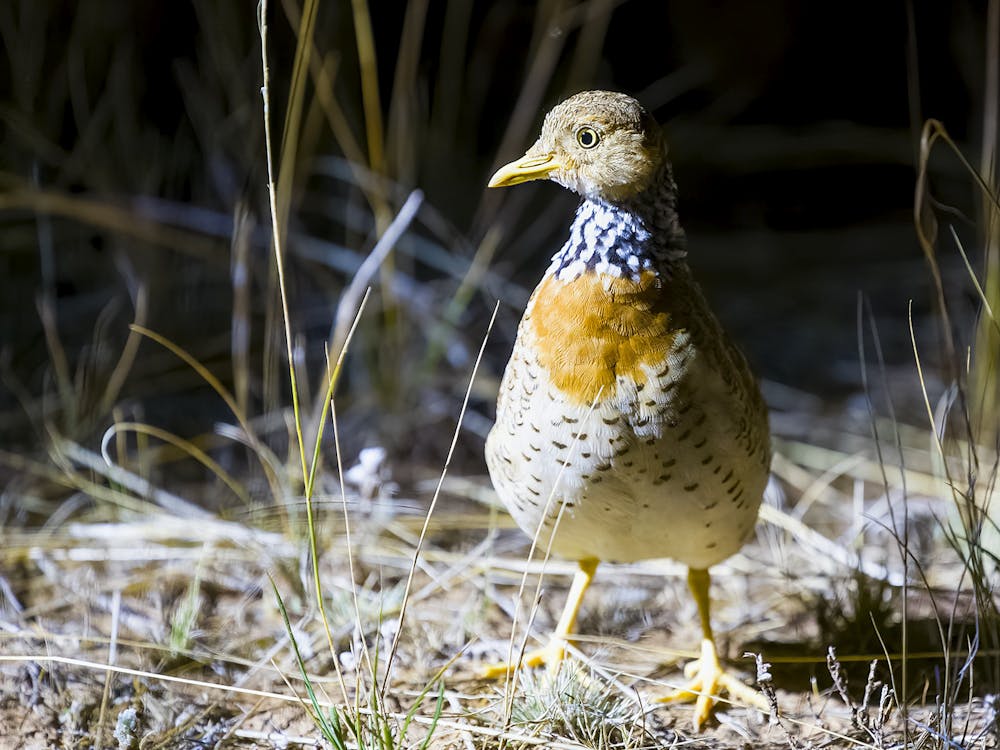 The threatened plains-wanderer needs native grasslands like those protected by the land purchases which became the new Terrick Terrick National Park in northern Victoria.
David Cook/Flickr, CC BY-NC
The threatened plains-wanderer needs native grasslands like those protected by the land purchases which became the new Terrick Terrick National Park in northern Victoria.
David Cook/Flickr, CC BY-NC
2. Support creation of new Indigenous Protected Areas
Since the 1990s, two-thirds of the growth in Australia’s protected lands has come from expansion of Indigenous Protected Areas. Combined, these 84 areas now cover over 87 million hectares and account for fully half of all of our conservation estate on land across iconic places such as the Kimberley, Arnhem Land, Cape York and the vast deserts of central Australia.
Traditional Owners are managing species such as bilbies, rock-wallabies and Gouldian finches to protect biodiversity. We will need more of these areas to hit our goal. One problem is funding has been largely short-term and insecure – we’ll need long-term funding for existing areas as well as new ones.
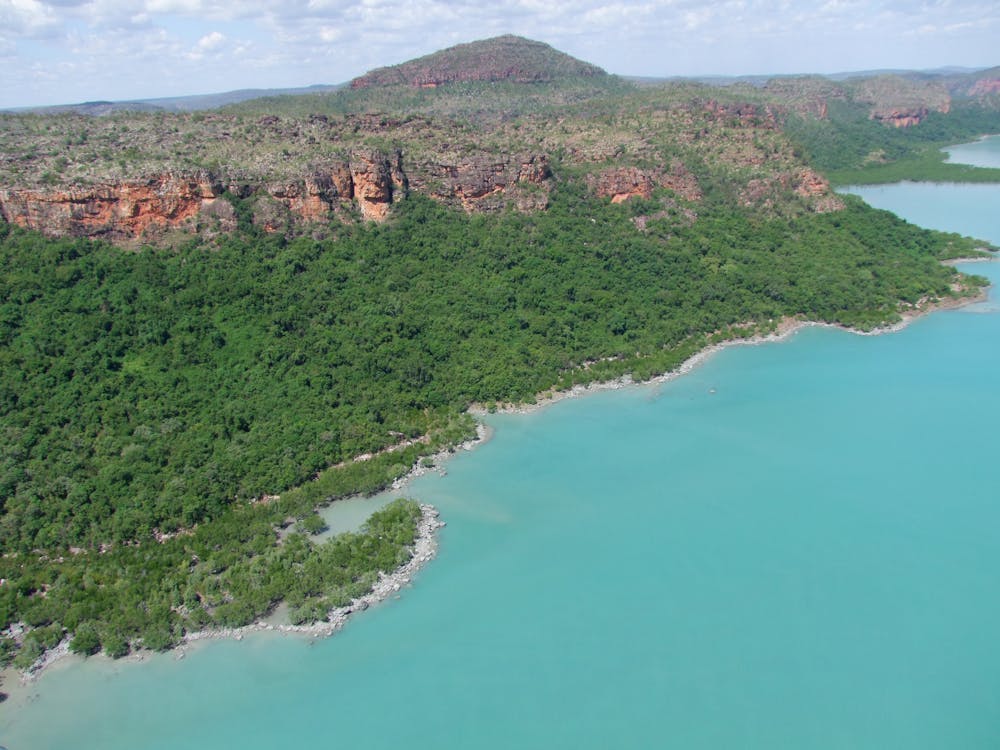 Indigenous Protected Areas conserve some of Australia’s most iconic and intact landscapes.
James Fitzsimons, CC BY-ND
Indigenous Protected Areas conserve some of Australia’s most iconic and intact landscapes.
James Fitzsimons, CC BY-ND
3. More conservation on private land
For decades, environmentally focused private landholders have placed conservation covenants over their land. When the land is sold, the covenant goes with it, obliging the new owner to keep conserving nature.
To get to 30% protection, we will have to encourage more permanent covenants. That’s because many of our under-protected bioregions and ecosystems overlap with where we live – think coastal scrub or native grassland.
To galvanise this sector, we’ll need direct federal support for conservation covenant programs run by the states and territories.
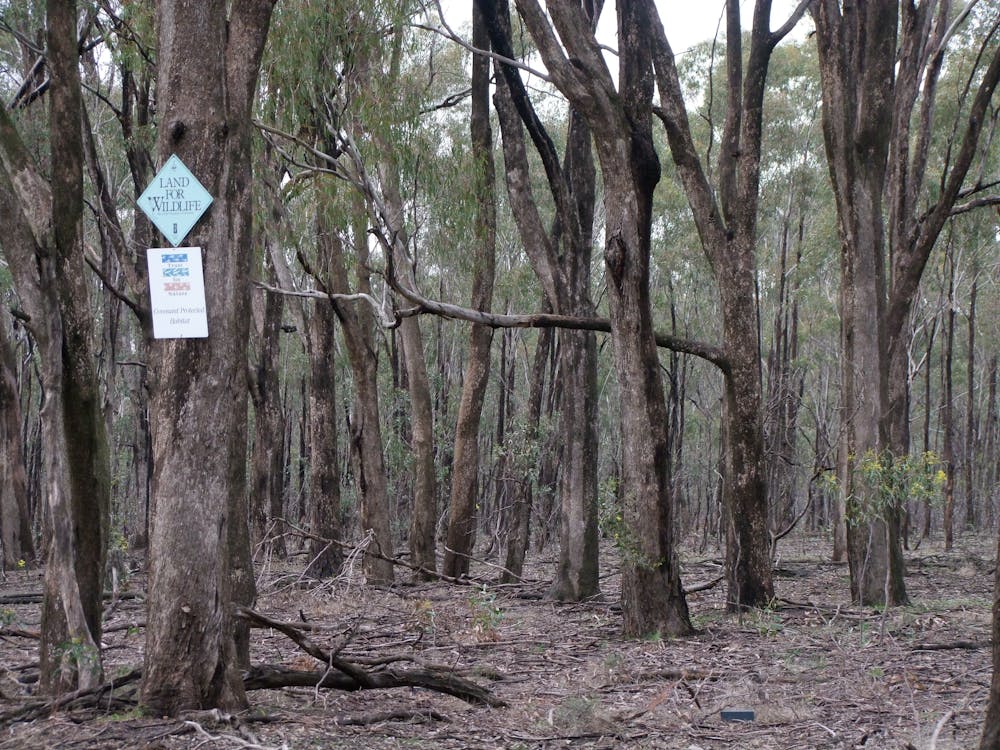 Australia has one of the largest networks of privately protected areas, including over 6000 conservation covenants on private land.
James Fitzsimons, CC BY-ND
Australia has one of the largest networks of privately protected areas, including over 6000 conservation covenants on private land.
James Fitzsimons, CC BY-ND
4. Scour public land for opportunities
In the 1990s and 2000s, Australia’s Regional Forest Agreements were dogged by controversy. But in retrospect, these logging-conservation deals led to significant gains in converting public forests into national parks.
As Victoria and Western Australia announce an end to native forest logging, we should explore the areas previously set aside for logging with an eye to protection based on ecosystem, carbon and water values. First Nations communities have rightly asked to be involved in what happens next.
Conservation isn’t just about hitting a target
Why do we need all four methods? To avoid temptation. When we set targets such as “30% of land”, it can be easy to look for the easy route. In Australia’s case, that might be by mainly conserving large new tracts of desert – many of which are already well represented in our protected estate.
Instead, we should look at what the 30% goal is for – to stave off the extinction crisis and stop the biodiversity freefall. To do that means protecting adequate samples of all of Australia’s unique species and ecosystems.
Australia is already internationally seen as an example of how to expand a nation’s protected areas. For the past 30 years, the expansion of the estate has largely been done well, increasingly focused on comprehensive, adequate and representative protection. New protected areas tend to cover landscapes and ecosystems with little or no protection.
While our national parks are known and valued by most Australians, agreements with Indigenous and private landholders are less known but increasingly vital.
Australia’s network of privately protected areas is already one of the largest in the world. Our network includes conservation covenants held by individual landholders, as well as land owned by conservation land trusts. These matter a great deal, because many threatened ecosystems and habitat for threatened species occur largely on private land. Protecting private land will have an increasingly important role.
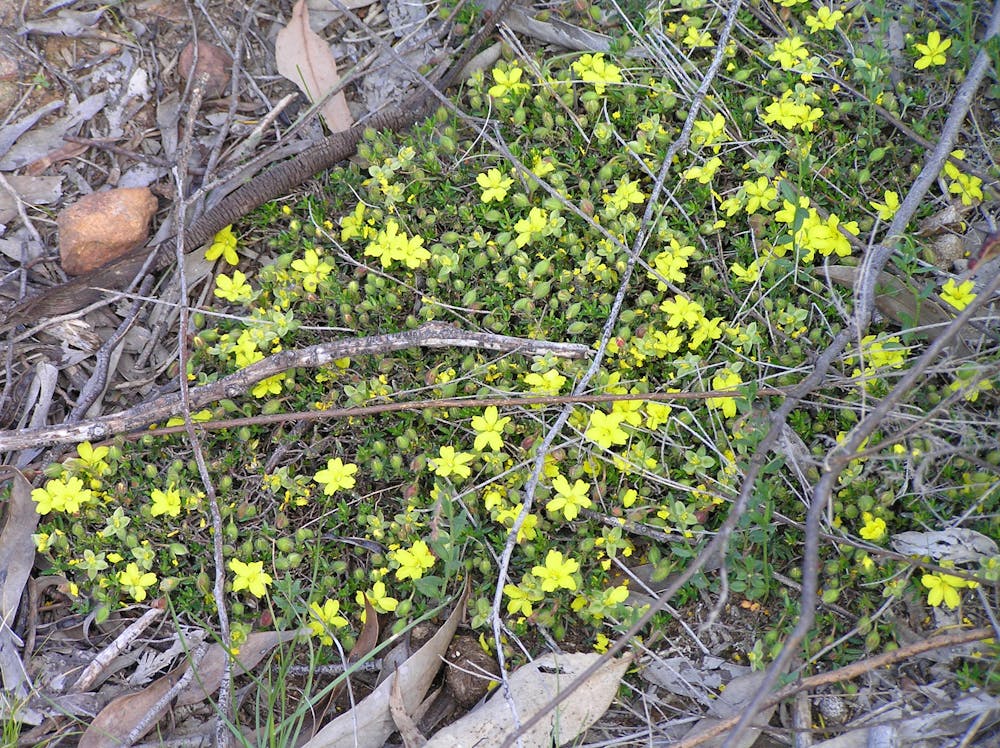 One of the largest populations in Australia of the threatened Euroa Guinea-flower is found on protected private land.
James Fitzsimons, CC BY-ND
One of the largest populations in Australia of the threatened Euroa Guinea-flower is found on protected private land.
James Fitzsimons, CC BY-ND
Read more: National parks are not enough – we need landholders to protect threatened species on their property
Progress is welcome, but there’s more to do
Despite these successes, the growth of Australia’s conservation estate has slowed since federal funding for land purchases ended in 2013. Science tells us we urgently need more safe spaces for nature to protect wildlife, people and the planet.
Importantly, new protected areas have to come with funds for management. Drawing a line on a map isn’t job done. Our ecosystems are under great pressure from climate change, feral species and human use. If we don’t fund ongoing management, hard won gains for threatened species can quickly be lost.
The government’s proposed Nature Repair Market might help, but secure ongoing government funding will still be critical.
Australia has the toolkit to get to 30x30. Now we need substantial investment and interest to sharpen our tools.
Read more: The new major players in conservation? NGOs thrive while national parks struggle
Authors: James Fitzsimons, Adjunct Professor in Environmental Sciences, Deakin University

















