

Penalties for animal cruelty double in SA, but is this enough to stop animal abuse?
- Written by: Alexandra Whittaker, Senior Lecturer in Animal Welfare and Law, University of Adelaide
Australia is a nation of animal lovers, so when animal abuse is reported in the media, the public are understandably horrified. And they are enraged when the punishment for the offence is seen to be inadequate.
In 2016, a Tasmanian man was sentenced to 49 hours of community service and ordered to pay court costs of A$82.15 for beating six penguins to death with sticks. This caused a public outcry and led to more 50,000 people signing a petition calling for a review into the sentence.
Community outrage across Australia over the decade has led to a number of state and territory governments changing their animal welfare laws to increase the maximum penalties for offences. Queensland amended its maximum penalty for cruelty from two to three years in 2016. South Australia amended the Animal Welfare Act 1985 in 2008.
The maximum time for imprisonment in SA jumped from one to two years, and the maximum fine increased from A$10,0000 to A$20,000.
The SA amendments also introduced a new aggravated offence for particularly horrific crimes against animals, which were deliberate or reckless. Those found guilty of this offence can receive a four-year prison sentence or a A$50,000 fine.
Read more: Australia's new bill to protect animals will do anything but
An increase in the maximum penalty for an offence in legislation doesn’t necessarily mean penalties increase in practice. Maximum penalties are put in place as a guide for the courts to benchmark the seriousness of a particular offence.
Judges have a degree of discretion, are guided by previous decisions and have to consider some basic sentencing principles in determining sentence.
Our research – undertaken in collaboration with the SA RSPCA, and published in the journal Animals – shows that penalties have in fact doubled in SA since the change in law. We also looked at the nature of offences in the state and the demographics of offenders.
Who is in charge of prosecution for animal cruelty?
While the police have powers to prosecute animal cruelty cases, the bulk of animal law enforcement in South Australia is done by the RSPCA. The state government has given the RSPCA (SA) powers to enforce animal welfare laws.
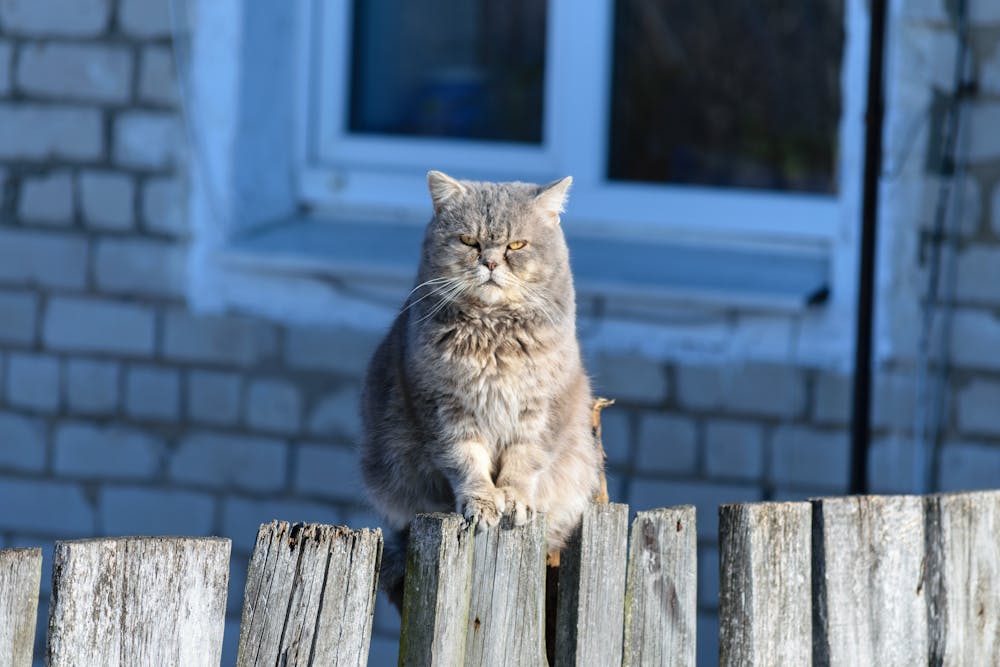 Most reported offences were against pets, and a minority included livestock.
Drimtry Ulitin/Unsplash
Most reported offences were against pets, and a minority included livestock.
Drimtry Ulitin/Unsplash
Eight animal welfare inspectors respond to cruelty complaints made by the public through the RSPCA’s cruelty hotline. The inspectors communicate with in-house lawyers to determine whether they will take the case to court. RSPCA inspectors have comparable powers to the police when it comes to investigation and enforcement of the Animal Welfare Act – but they have limited manpower and funds.
Average penalty has increased
Until now the average penalty courts give for animal cruelty offences has remained unknown. We analysed 314 closed case files dated between 2006-2008 and 2016-2018 to compare the penalties given before and after the legal change.
We found the average fine increased from A$700 to A$1,535 over the 12 year period, from before to after the law change with the average prison sentences doubling from 37 to 77 days. But, the maximum prison sentence ever handed down for animal cruelty in SA is still only seven months; 41 months shy of the maximum available.
Is this poor use of statutory maximums unique to animal law? Well, probably not; this is a common feature of the criminal law in relation to so-called summary or minor offences. These can be heard by a single magistrate and include road traffic crimes and minor assaults.
Who are the main offenders?
We also investigated the types of offences committed against animals, and the demographics of offenders.
The majority of offences in our study involved companion animals, or pets, (75%) with the remainder involving livestock.
Read more: Want to help animals? Don't forget the chickens
Thankfully, the percentage of serious, aggravated offences (at least those detected), is low – at 5% of the total. To be classified as a serious offence, the offender’s action must cause serious harm or death to the animal, which was deliberate.
The remaining were the lesser offences, often involving a failure of care, such as poor feeding, or failing to get veterinary treatment when needed.
Males were three times more likely to commit (or at least be charged) with an aggravated offence than females. There was no difference in the proportion of males and females committing the lesser offence.
The average age of offenders across all offences was late 30s to early 40s, with the aggravated offence tending to be perpetrated by slightly younger males.
Previous research suggests males rely on aggression more than females, and females tend to have more empathy for animals.
We found that a higher percentage of animal offences were recorded in Adelaide’s northern suburbs (31%). The north-western suburbs had the second highest rates (9%), closely followed by the southern suburbs (8%).
Adelaide’s northern suburbs were ranked as the most disadvantaged area in SA in the 2016 Australian Census. Since many cruelty cases result from a failure to provide basic care to animals, this is likely a contributing factor to these statistics.
Penalties aren’t enough
While the increase in average penalties is a good sign, it’s likely not enough to decrease animal abuse. The maximum penalty is more of a symbolic gesture to “get tough” rather than a practical figure.
There hasn’t been much research into whether increasing penalties for animal cruelty does reduce the abuse. South Australia hasn’t seen a decrease in offences reported by the RSPCA in their annual statistics, since the change.
Given socioeconomic factors appear to play a part in abuse, education programs in animal care and responsible pet ownership could be more beneficial. As could penalties that better fit the crime, or those that focus on rehabilitation (such as counselling and anger management) to tackle the root of the issue.
Acts of animal cruelty can be reported to your state or territory RSPCA, either by phone or email.
- ACT: 0407 078 221
- NSW: 1300 CRUELTY (1300 278 358)
- NT: 1300 720 386
- Qld: 1300 ANIMAL (1300 264 625)
- SA: 1300 4 RSPCA (1300 477 722)
- Tas: 1300 139 947
- Vic: 03 9224 2222
- WA: 1300 CRUELTY (1300 278 3589)
Authors: Alexandra Whittaker, Senior Lecturer in Animal Welfare and Law, University of Adelaide


















