

How do we save ageing Australians from the heat? Greening our cities is a good start
- Written by: Claudia Baldwin, Associate Professor, Urban Design and Town Planning, Sustainability Research Centre, University of the Sunshine Coast
Heatwaves have killed more Australians than road accidents, fires, floods and all other natural disasters combined. Although recent research shows extreme cold is a worry in some parts of Australia, our hottest summer on record points to more heat-related deaths to come. The record heatwaves have highlighted the damaging effects of heat stress. Understandably, it’s becoming a major public health challenge.
Read more: 2018-19 was Australia's hottest summer on record, with a warm autumn likely too
The risk of extreme heat events and the adverse impacts on older people has been extensively discussed in research. Remarkably, very little attention has been paid to the role of urban greenery in reducing heat stress for seniors.
Older people are particularly at risk of heat stress. Pre-existing medical conditions and limited mobility increase their vulnerability. Deaths of older people increase during extreme heat events.
The physical features of urban areas shape the capacity of older adults to engage in many activities when it’s hot. These include vegetation volume and coverage, thermal design, and the extent of shading in public areas and walkways. Increasing urban greenery may offer a way to improve older people’s comfort and social experience.
Read more: Building cool cities for a hot future
Ageing adds urgency to greening
It is expected 20% of the global population will be older than 60 by 2050. The figure for Australia is even higher, at 23%. This means that by 2050 around one in four Australians will be more vulnerable to extreme heat.
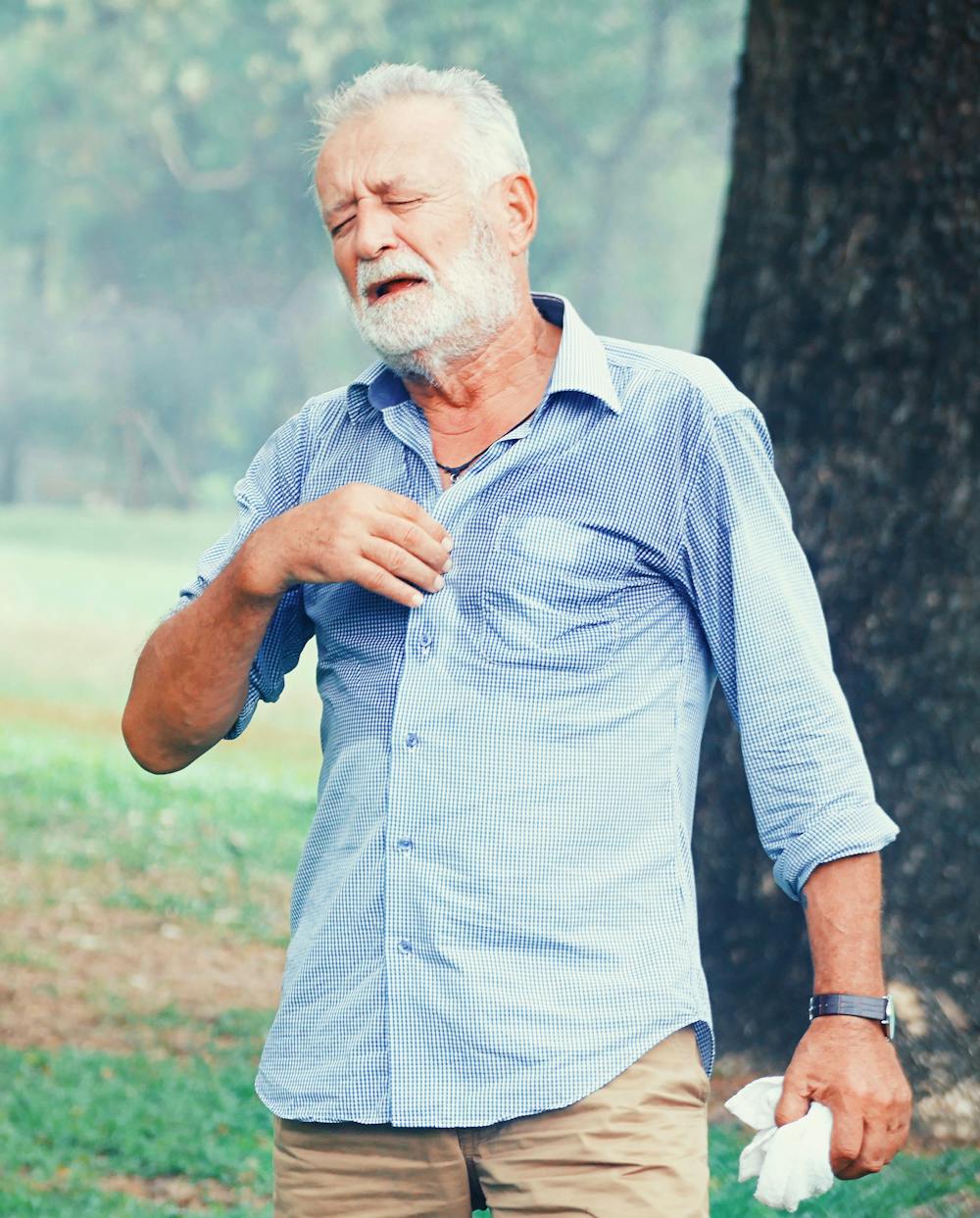 Older people are more vulnerable to heat stress.
PorporLing/Shutterstock
Older people are more vulnerable to heat stress.
PorporLing/Shutterstock
Climate change may make the problem worse by fuelling even more extreme heat events.
Planning our urban centres to meet the needs of a rapidly ageing population is a matter of urgency. Urban greening to reduce their vulnerability to heat stress should be central to this agenda. It can also improve people’s quality of life, reduce social isolation and loneliness, and ease the burden on health systems.
An important task is matching the design of communities with the needs of an ageing population. Where older adults live and the quality of their local areas strongly influence their lived experiences. Yet recent research found the experiences of seniors were often not accounted for in research on neighbourhood design.
Read more: Eight simple changes to our neighbourhoods can help us age well
What about aged care?
People face choices about where they live as they age. The common choices are to “age in place” or to move into aged care.
Ageing in place includes living in one’s own home or co-habiting with relatives or friends. Around 90% of Australian seniors choose this option, with the remainder opting for aged-care facilities.
If one in ten Australian seniors live in aged-care facilities, it is clear these should be designed to minimise heat stress. This isn’t just good for residents; it may also benefit operators by lowering health-care and electricity costs.
While these facilities are purpose-built for older people, many in Australia were built well over a decade ago, when heat stress was not such a large concern. Many more facilities are being built now and will be into the future. Yet it is uncertain whether they are being actively designed to reduce the impacts of heat.
Read more: Australian cities are lagging behind in greening up their buildings
What has our research found?
We recently conducted a focus group to investigate this issue. Participants were senior managers from four large corporate providers of aged care in Australia. We investigated if and how providers try to minimise heat stress through design. We also sought to understand the rationales used to support these design approaches.
Several participants reported on refurbishments that they expect will have cooling effects. Cited design approaches included green roofs and walls, as well as sensory gardens. Other expected benefits included reducing anxiety and improving the mental health of residents.
The fact that single design interventions could produce multiple benefits improved the potential for corporate buy-in. Participants expected that increasing green space and green cover would give their facilities a competitive advantage by attracting more clients and providing a better working environment for staff.
Participants also reported on challenges of including greening in their projects. For example, the benefits of trees were weighed against concerns about roots disrupting footpaths and becoming trip hazards. Species selection was another concern, with fears that inappropriate plants could die and undermine support for greening programs.
Our research suggests that more can be done to make cities hospitable for older people, especially during extreme heat. Urban greening is a start. Encouraging aged-care providers to adopt green infrastructure will have benefits. But we should also consider reforms to planning systems and urban design to better protect older people who choose to age in place.
Read more: If planners understand it's cool to green cities, what's stopping them?
Authors: Claudia Baldwin, Associate Professor, Urban Design and Town Planning, Sustainability Research Centre, University of the Sunshine Coast


















