

Pacific nations want ecocide to become a crime – here’s why NZ should support the proposal
- Written by: Nathan Cooper, Associate Professor of Law, University of Waikato
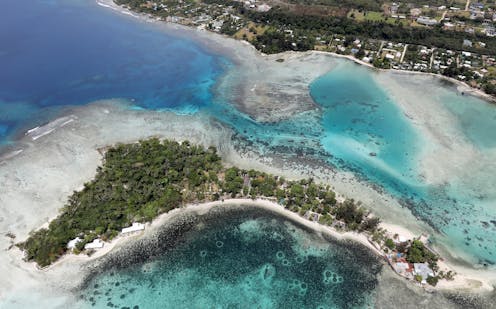
The recent proposal by Vanuatu, Fiji and Samoa to recognise ecocide as a crime against humanity is timely and could provide a global framework of accountability for environmental damage.
Ecocide is defined as acts of “unlawful or wanton” environmental destruction, committed in the knowledge of their likely severe, widespread or long-term effects.
Last week, the Pacific Island nations formally requested an amendment to the principal treaty of the International Criminal Court (ICC) to add ecocide alongside genocide, war crimes and aggression to the international community’s list of most serious crimes.
There is a long way to go before ecocide is recognised by the ICC, if it ever happens. Discussions of the proposal will likely take several years and much will depend on the level of support the proposal gains from the 124 countries party to the ICC.
But for Aotearoa New Zealand, this is a chance to champion a progressive legal response and show leadership in the region.
A priority for the Pacific
It is no surprise the ecocide proposal is being driven by several small island developing states, given they are exposed to some of the most severe consequences of climate change.
In the Pacific, it is vitally important to equip the region with the necessary tools to mitigate and adapt to grave ecological change. This includes legal tools. An offence of ecocide could be used to significant effect, particularly if given an international dimension.
Alleged offenders are unlikely to live in the Pacific Islands. Domestic climate litigation in Pacific nations would have little impact. This is why the proposal for ecocide to be made an international crime is so critical.
Implications for New Zealand
New Zealand is a founding member of the Rome Statute, which established the ICC. It continues to advocate for the importance of the court’s role as a last resort to try the most serious crimes against humanity.
Few states will want to publicly oppose a proposal aimed at countering the most serious acts of ecological damage at a time of growing awareness of the state of nature.
For New Zealand’s government, early and vocal support for acknowledging the crime of ecocide would line up with public attitudes. Nearly two thirds of New Zealanders support more ambitious emissions targets in response to climate change, while more than 80% consider improving water quality as important.
For Māori in particular, climate and environment have always been important. While climate change affects everyone, Māori are disproportionately affected and particularly vulnerable.
Supporting this initiative, brought by Pacific neighbours, would also further cement Aotearoa’s reputation and role as a regional leader.
Arguing ecocide in New Zealand courts
Since it became operational in 2002, the jurisdiction of the ICC is limited by the principle of complementarity. In other words, the ICC exists to complement national judicial systems, not to replace them.
This means the ICC can only proceed with an investigation or case where a state party is unable or unwilling to do so. Legislation exists in New Zealand to ensure genocide, crimes against humanity and water crimes can be dealt with in domestic criminal law, with the consent of the Attorney-General.
However, it is important to note that crimes listed in the Rome Statute are not automatically incorporated into domestic law. For instance, the crime of aggression is not currently included in New Zealand criminal law.
In time, ecocide could find its way into domestic legislation. This could offer a more appropriate legal response to acts causing severe environmental damage than those currently available, for example in the Resource Management Act or as currently under consideration in tort law.
A recognition of ecocide could open the possibility for more effective environmental protection through robust deterrent.
Creating a new offence to meet a new challenge
Should ecocide eventually be included as an international crime (and even a domestic one), it would doubtless raise many substantive and procedural legal questions.
For example, current ICC procedures include reparation for victims and allow them to participate in proceedings. For crimes with widespread environmental damage and potentially millions of victims, this may not be practical.
But such considerations should not stand in the way of an innovative and important new criminal offence.
The crime of genocide was adopted in 1948 as a result of the horrors of the second world war, and much work was necessary to define and delimit it. Faced with an array of existential threats from ecological crises, it is timely that an ecological crime has been proposed.
Aotearoa was the first country in the world to give a river the legal status of a person. It should now follow that we support this proposal to criminalise ecocide, for the sake of our own environment and that of our neighbours.
Authors: Nathan Cooper, Associate Professor of Law, University of Waikato


















