

Around 3% of us will develop a brain aneurysm in our lives. So what is it and how do you treat it?
- Written by: Theresa Larkin, Associate Professor of Medical Sciences, University of Wollongong
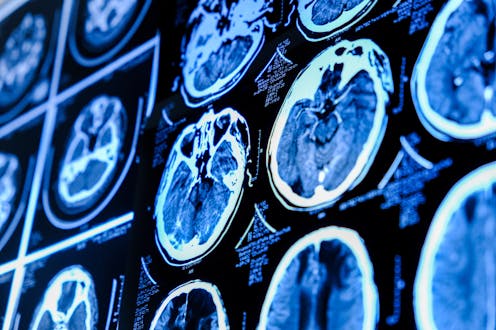
Australian radio host Kyle Sandilands announced on air yesterday that he has a brain aneurysm and needs urgent brain surgery.
Typically an aneurysm occurs when a part of the wall of an artery (a type of blood vessel) becomes stretched and bulges out.
You can get an aneurysm in any blood vessel, but they are most common in the brain’s arteries and the aorta, the large artery that leaves the heart.
Many people can have a brain aneurysm and never know. But a brain (or aortic) aneurysm that ruptures and bursts can be fatal.
So, what causes a brain aneurysm? And what’s the risk of rupture?
Weakness in the artery wall
Our arteries need strong walls because blood is constantly pumped through them and pushed against the walls.
An aneurysm can develop if there is a weak part of an artery wall.
The walls of arteries are made of three layers: an inner lining of cells, a middle layer of muscle and elastic fibres, and a tough outer layer of mostly collagen (a type of protein). Damage to any of these layers causes the wall to become thin and stretched. It can then balloon outward, leading to an aneurysm.
Genetics and certain inherited disorders can cause weak artery walls and brain aneurysms in some people.
For all of us, our artery walls become weaker as we age, and brain aneurysms are more common as we get older. The average age for a brain aneurysm to be detected is 50 (Sandilands is 53).
Females have a higher risk of brain aneurysm than males after about age 50. Declining oestrogen around menopause reduces the collagen in the artery wall, causing it to become weaker.
High blood pressure can increase the risk of a brain aneurysm. In someone with high blood pressure, blood inside the arteries is pushed against the walls with greater force. This can stretch and weaken the artery walls.
Another common condition called atherosclerosis can also cause brain aneurysms. In atherosclerosis, plaques made mostly of fat build up in arteries and stick to the artery walls. This directly damages the cell lining, and weakens the muscle and elastic fibres in the middle layer of the artery wall.
Several lifestyle factors increase risk
Anything that increases inflammation or causes atherosclerosis or high blood pressure in turn increases your risk of a brain aneurysm.
Smoking and heavy drinking affect all of these, and nicotine directly damages the artery wall.
Sandilands mentioned his cocaine use in discussing his diagnosis. He said:
The facts are, a life of cocaine abuse and partying are not the way to go.
Indeed, cocaine abuse increases the risk of a brain aneurysm. It causes very high blood pressure because it causes arteries to spasm and constrict. Cocaine use is also linked to worse outcomes if a brain aneurysm ruptures.
Stress and a high-fat diet also increase inflammation. High cholesterol can also cause atherosclerosis. And being overweight increases your blood pressure.
A study of more than 60,000 people found smoking and high blood pressure were the strongest risk factors for a brain aneurysm.
Is it always a medical emergency?
About three in 100 people will have a brain aneurysm, varying in size from less than 5mm to more than 25mm in diameter. The majority are only discovered while undergoing imaging for something else (for example, head trauma), because small aneurysms may not cause any symptoms.
Larger aneurysms can cause symptoms because they can press against brain tissues and nerves.
Sandilands described “a lot of headache problems” leading up to his diagnosis. Headaches can be due to minor leaks of blood from the aneurysm. They indicate a risk of the aneurysm rupturing in subsequent days or weeks.
Less than one in 100 brain aneurysms will rupture, often called a “brain bleed”. This causes a subarachnoid haemorrhage, which is a type of stroke.
If it does occur, rupture of a brain aneurysm is life-threatening: nearly one in four people will die within 24 hours, and one in two within three months.
If someone’s brain aneurysm ruptures, they usually experience a sudden, severe headache, often described as a “thunderclap headache”. They may also have other symptoms of a stroke such as changes in vision, loss of movement, nausea, vomiting and loss of consciousness.
Surgery can prevent a rupture
Whether surgery will be used to treat a brain aneurysm depends on its size and location, as well as the age and health of the patient. The medical team will balance the potential benefits with the risks of the surgery.
A small aneurysm with low risk of rupture will usually just be monitored.
However, once a brain aneurysm reaches 7mm or more, surgery is generally needed.
In surgery to repair a brain aneurysm, the surgeon will temporarily remove a small part of the skull, then cut through the coverings of the brain to place a tiny metal clip to close off the bulging part of the aneurysm.
Another option is endovascular (meaning within the vessel) coiling. A surgeon can pass a catheter into the femoral artery in the thigh, through the aorta to the brain. They can then place a coil inside the aneurysm which forms a clot to close off the aneurysm sac.
After either surgery, usually the person will stay in hospital for up to a week. It can take 6–8 weeks for full recovery, though doctors may continue monitoring with annual imaging tests for a few years afterwards.
You can lower your risk of a brain aneurysm by not smoking, moderating alcohol intake, eating a healthy diet, exercising regularly and maintaining a healthy weight.
Authors: Theresa Larkin, Associate Professor of Medical Sciences, University of Wollongong


















