

new research highlights the impact of sexual violence on queer and gender-diverse Australians
- Written by: Michael Salter, Professor of Criminology, UNSW Sydney
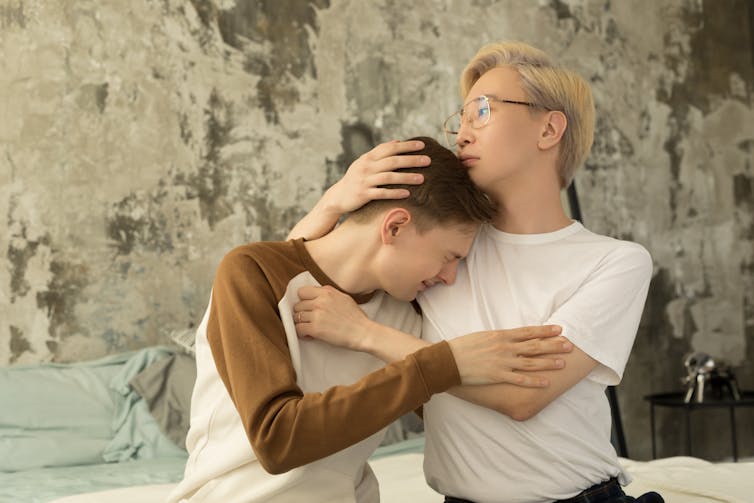
Australia’s LGBTIQA+SB* communities have long been overlooked in discussions about the prevention of and responses to sexual violence, despite evidence they are at increased risk.
The National Survey on LGBTIQA+SB Experiences of Sexual Violence, which we carried out, is the first survey of its kind. It is designed to fill a glaring gap in national and global research by focusing on the experiences of sexual violence among LGBTIQA+SB Australians.
The lack of data on sexual violence affecting sexual and gender minority communities reflects the low priority given to LGBTIQA+SB individuals in national data collection. For example, the absence of questions about sexual orientation and gender identity in the national census means we do not have a representative sample of LGBTIQA+SB people.
As a result, the findings of the national survey can’t be generalised to all LGBTIQA+SB Australians. But they do give us important insights into experiences in these communities.
Many LGBTIQA+SB Australians have experienced sexual violence
With responses from almost 3,200 participants, including 416 First Nations Australians, the survey reveals harrowing truths about sexual violence against LGBTIQA+SB people.
More than three-quarters (76%) reported experiencing sexual victimisation at some point in their life. More than half of respondents (52%) said they had experienced both child sexual abuse and adult sexual assault.
Moreover,7% reported only child sexual abuse, while 17% experienced sexual violence solely in adulthood. Notably, those who faced sexual violence in both childhood and adulthood reported the worst outcomes for their health and economic security. This highlights the urgent need for targeted support and intervention.
Many people carried the burden of sexual violence for a long time. The majority of survivors said they had been most deeply affected by an incident that took place more than five years ago, or in childhood.
More than 80% of identified perpetrators in adulthood or childhood were cisgender men. Nearly one-third of perpetrators came from within the LGBTIQA+SB community.
The setting in which sexual violence occurred varied significantly based on sexual orientation and gender identity. Cisgender men were more likely to report that sexual violence took place in public venues such as bars and clubs.
In contrast, cisgender women, trans men, and non-binary people primarily reported experiences of sexual victimisation in private homes and intimate relationships.
Additionally, First Nations participants, particularly trans women and trans men, experienced higher rates of recent and severe victimisation.
Across the sample, key barriers to seeking help included feelings of shame, fear of blame. Many also had doubts about whether their experience met the threshold of assault or violence.
More support to speak up
When victims did choose to speak up, their experiences varied widely. Supportive and validating responses were appreciated, but many participants reported unhelpful responses such as disbelief, victim-blaming, and dismissiveness. These responses worsened their trauma.
The disclosure rates highlighted the stigma surrounding the acknowledgement of sexual victimisation. For example, less than 40% of all cisgender men reported their experiences, while First Nations cisgender men were the least likely to report sexual violence.
When they disclosed, LGBTIQA+SB survivors were most likely to speak to friends and family. Fewer than half of survivors reached out to support services, and those that did most often sought help from mental health professionals. While satisfaction with these services varied, participants consistently valued professionals who listened, supported, and believed them. They appreciated tailored care and therapy specifically designed for sexual violence survivors.
However, many trans men, trans women, and non-binary people reported encountering alienating responses from professionals. This finding clearly underscores the urgent need for trauma-informed training that is sensitive to LGBTIQA+SB issues and identities.
A hopeful finding was the high rate of bystander intervention among LGBTIQA+SB people. Nearly three-quarters of respondents stepped in to help when they saw people at risk of sexual violence. Motivated by ethics and personal experiences, bystander actions ranged from safeguarding friends at parties to directly confronting perpetrators. However, fear, safety concerns, and lack of knowledge could deter potential allies.
These findings have significant implications for addressing sexual violence. To enhance sexual violence prevention, it is crucial to integrate LGBTIQA+SB perspectives into school curriculum, focusing on respectful relationships and sexual consent.
The LGBTIQA+SB community plays a vital role in supporting and protecting individuals from sexual violence. By providing additional resources, we can empower community members with the skills necessary to assist survivors and intervene effectively in risky or dangerous situations.
Health professionals need to be better informed
Given the high proportion of LGBTIQA+SB survivors who seek help from mental health professionals, improved access to affordable and inclusive mental health care in the aftermath of sexual violence would be of enormous benefit.
However, many participants reported that counsellors and therapists sometimes struggled to understand how sexual violence affected LGBTIQA+SB identities and individuals.
Comprehensive care, including from First Nations community-controlled services and organisations, can be strengthened by increasing cooperation and dialogue between sexual violence services and LGBTIQA+SB organisations.
Despite these alarming findings, the survey also emphasises the resilience of LGBTIQA+SB communities. The responses showed that members support, educate and advocate for one another.
By addressing the systemic gaps highlighted by this research, Australia has an opportunity to leverage this collective strength to prevent sexual violence before it happens, while also promoting healing and recovery for survivors, regardless of their gender or sexual orientation.
*Lesbian, gay, bisexual, transgender, intersex, queer, asexual, Sistergirl, Brotherboy
Authors: Michael Salter, Professor of Criminology, UNSW Sydney


















