

How Bird Flight Diverters Help Protect Wildlife Around Power Infrastructure
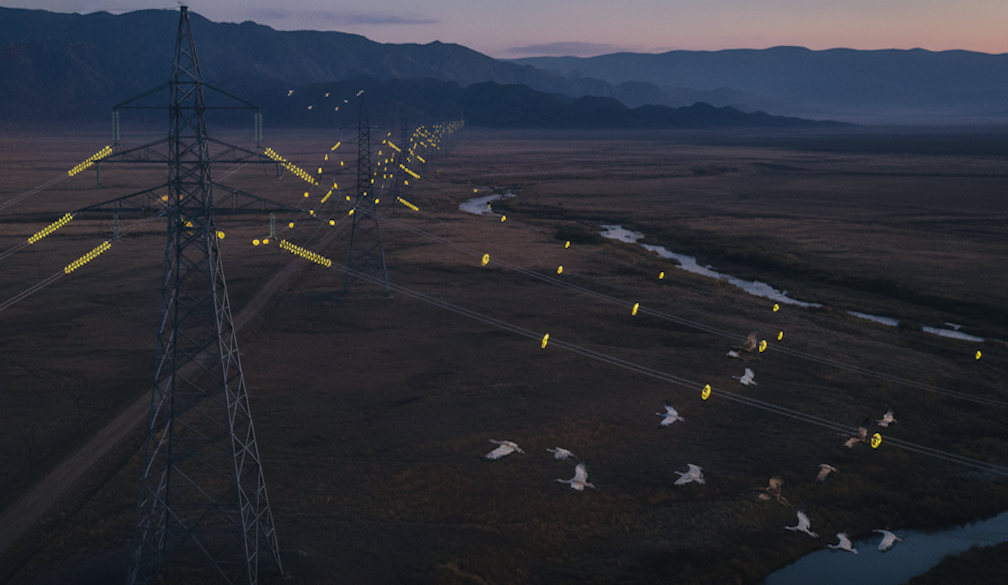
Power infrastructure plays an essential role in modern life, but it can also create risks for wildlife, particularly birds moving through established flight paths. Transmission lines and related structures often pass through open landscapes, wetlands, coastal zones, and rural corridors where bird activity is high. In these environments, visibility becomes a serious issue. Birds may not recognise overhead lines in time to avoid them, especially in low light, poor weather, or areas with heavy movement.
This is where bird flight diverters play an important role. These devices are designed to improve the visibility of overhead lines and reduce the likelihood of bird strike incidents. For utilities, infrastructure operators, and project planners, they offer a practical way to support wildlife protection while improving the environmental performance of network assets.
As environmental expectations continue to rise, the role of mitigation measures like diverters has become more significant. They are no longer viewed as niche add-ons for isolated projects. In many cases, they are part of a broader strategy to reduce ecological impact, meet approval conditions, and demonstrate responsible infrastructure management.
Why Birds Are Vulnerable Around Overhead Lines
Birds do not perceive infrastructure the same way humans do. Thin overhead wires can be difficult to detect, particularly against bright skies, reflective water, open terrain, or during fast flight. Larger birds, waterbirds, and species that travel in groups may be especially vulnerable where visibility is limited or manoeuvrability is reduced.
Risk tends to increase in locations where infrastructure intersects known movement corridors, feeding areas, breeding grounds, or wetlands. Seasonal migration patterns can also intensify collision potential, even in places that seem relatively low risk at other times of year.
The result is not only harm to wildlife. Bird strike incidents can also create operational issues, public concern, and additional scrutiny for infrastructure owners. Reducing those events benefits both ecological outcomes and asset stewardship.
What Bird Flight Diverters Actually Do
Bird flight diverters are fitted to overhead wires to make them more visible to birds in flight. By increasing contrast, movement, or apparent line profile, they help birds identify and avoid the obstacle before it becomes a collision hazard.
The principle is straightforward, but the effect can be meaningful. A line that is difficult to detect in open air becomes easier to recognise when visual markers are attached at intervals. Depending on the design, diverters may create flash, movement, or a clearer silhouette that attracts attention from a distance.
Their purpose is preventative. Rather than responding after incidents occur, they reduce the likelihood of collision in the first place. This makes them a valuable mitigation measure in areas where bird activity and infrastructure overlap.
They Support Better Environmental Outcomes
One of the clearest benefits of bird flight diverters is their contribution to wildlife protection.
Where overhead lines cross ecologically sensitive areas, even occasional collisions can have a significant local impact. That is particularly true for species that are vulnerable, slow to reproduce, or concentrated in known habitats. Diverters help reduce avoidable mortality by making infrastructure easier for birds to detect and navigate around.
For project owners and operators, this supports stronger environmental outcomes without requiring major redesign of the asset itself. In many cases, diverters can be incorporated into line design, retrofitted to existing infrastructure, or targeted to the highest-risk sections of a route.
That makes them a practical option where ecological risk needs to be addressed in a visible and measurable way.
They Help Infrastructure Projects Meet Environmental Expectations
Environmental performance is a major consideration in modern infrastructure planning. Projects are increasingly expected to demonstrate that ecological impacts have been assessed and mitigated where possible.
Bird collision risk can form part of that assessment, especially for transmission, distribution, and other linear infrastructure passing through sensitive environments. Where the risk is identified, mitigation measures may be recommended or required as part of planning, approval, or compliance processes.
Bird flight diverters help operators respond to that expectation with a clear, practical control. Their use can show that wildlife risks have been considered seriously and that efforts have been made to reduce harm through established mitigation methods.
In that sense, diverters are not only an environmental tool. They can also support project credibility and help strengthen the case for responsible asset management.
They Can Be Used Strategically in High-Risk Areas
Not every section of overhead line presents the same level of collision risk. One of the advantages of bird flight diverters is that they can be applied strategically where they are likely to have the greatest benefit.
This may include crossings near wetlands, rivers, floodplains, coastal areas, open paddocks, or known bird movement corridors. It may also include locations identified through ecological survey work, incident history, or species-specific risk assessment.
A targeted approach allows infrastructure operators to focus resources where they will have the strongest effect. Rather than treating the entire network uniformly, they can prioritise sections where visibility improvements are most needed.
That makes diverters useful both in new projects and in retrofitting programs where existing assets need better environmental controls.
They Offer a Practical Balance Between Protection and Operability
Infrastructure mitigation measures need to be effective, but they also need to be workable. Bird flight diverters are valuable partly because they can improve environmental performance without creating major operational disruption.
They are generally used to enhance existing line visibility rather than alter the basic function of the asset. This makes them a more practical solution than broader redesign options in many cases, particularly where routes are already established or project constraints are tight.
For operators, that balance matters. The most useful mitigation measures are often those that can be deployed in a focused, durable, and operationally realistic way. Diverters sit well within that category, which is why they continue to be used across a wide range of infrastructure contexts.
They Reflect a More Responsible Approach to Asset Management
Public and regulatory expectations around infrastructure are changing. It is no longer enough for assets to be functional and compliant in a narrow technical sense. Increasingly, operators are expected to show that environmental impacts are being identified and addressed in practical ways.
Bird flight diverters reflect that broader shift. They signal a willingness to reduce harm where known risks exist and to integrate environmental thinking into infrastructure decisions. That can matter for approvals, stakeholder relationships, and long-term reputation, particularly in sectors where projects interact closely with natural landscapes.
It also supports a more mature view of asset management, one that recognises environmental performance as part of operational performance rather than something separate from it.
Small Visibility Changes Can Have a Real Impact
Bird flight diverters are a relatively simple intervention, but their value should not be underestimated. By improving the visibility of overhead lines, they help reduce collision risk, support wildlife protection, and strengthen the environmental performance of power infrastructure.
For utilities, infrastructure planners, and asset owners, they offer a practical way to respond to a well-recognised issue without overcomplicating project delivery. In the right locations, even a modest visibility improvement can make a meaningful difference.
That is ultimately why bird flight diverters matter. They help bridge the gap between infrastructure needs and environmental responsibility, allowing essential assets to operate with greater awareness of the landscapes and species around them.

















