

Commercial roof leak detection: why early action protects your building
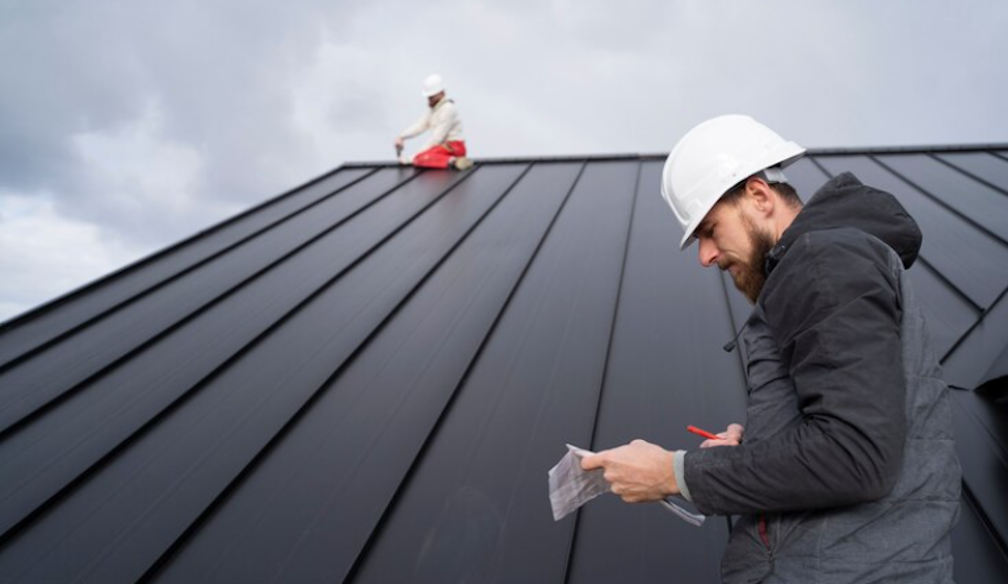
Water ingress is one of the most disruptive and costly issues facing commercial properties. For property managers and facilities teams, even a minor roof leak can quickly escalate into structural damage, tenant complaints, and compliance concerns. This is where commercial roof leak detection becomes essential—not just as a reactive measure, but as part of a proactive maintenance strategy.
If you manage a commercial or strata property, understanding how leaks develop, how they’re detected, and how to prevent them is key to protecting your building long-term.
Why roof leaks are common in commercial buildings
Commercial roofs—particularly flat or low-gradient systems—are more prone to water retention. Unlike pitched residential roofs, water doesn’t always run off efficiently. Over time, this can lead to:
- Membrane deterioration
- Cracked flashing or joints
- Blocked drainage points
- Structural movement causing separation points
In Western Australia, seasonal weather patterns also play a role. Winter rainfall increases the likelihood of water ingress, making leak detection particularly important during and after this period .
The hidden risks of delayed leak detection
A roof leak rarely stays isolated. What starts as minor moisture intrusion can lead to:
- Internal water damage to ceilings, walls, and electrical systems
- Mould growth, creating health and safety risks
- Structural weakening of roofing components
- Increased maintenance costs due to delayed repairs
For property managers, this often results in reactive callouts, tenant dissatisfaction, and unplanned budget impacts.
How commercial roof leak detection works
Modern detection methods go far beyond visual inspections. Professional teams use advanced techniques to locate leaks accurately without unnecessary disruption.
Key methods include:
- Moisture mapping: Identifies trapped water beneath roofing membranes
- Thermal imaging: Detects temperature variations caused by moisture
- Flood testing: Simulates rainfall conditions to pinpoint entry points
- Electronic leak detection: Locates breaches in waterproofing systems
These approaches ensure that issues are identified precisely, reducing the need for extensive exploratory work.
Signs your building may have a roof leak
Early detection often depends on recognising subtle warning signs. These may include:
- Water stains on ceilings or walls
- Bubbling paint or peeling finishes
- Persistent damp or musty odours
- Dripping water during or after rainfall
- Mould growth in upper-level areas
If multiple signs appear, it’s likely the issue extends beyond surface-level damage.
The role of proactive maintenance
The most effective way to manage roof leaks is to prevent them altogether. A structured maintenance plan allows property managers to stay ahead of potential issues.
Key preventative measures include:
- Scheduled roof inspections (bi-annual or seasonal)
- Gutter and downpipe cleaning to prevent overflow
- Prompt repair of minor defects
- Monitoring high-risk areas such as joints and penetrations
This aligns with a broader strategy seen across commercial plumbing services, where early intervention reduces long-term costs. Learn more about integrated commercial roofing maintenance today.
How leak detection integrates with broader building maintenance
Roof leaks are rarely isolated—they often connect with wider drainage and plumbing issues. For example:
- Blocked stormwater systems can cause roof pooling
- Faulty waterproofing may impact internal plumbing systems
- Structural movement can affect both roofing and pipework
This is why many property managers combine roof inspections with broader commercial leak detection services. A coordinated approach ensures all potential entry points for water are addressed.
When to move from detection to repair
Once a leak is identified, timely repair is critical. Delaying this stage increases the risk of:
- Further water ingress
- Escalating repair costs
- Business disruption for tenants
Professional commercial roof repairs focus on resolving the root cause, not just the visible damage.
Supporting compliance and risk management
For strata managers and commercial property owners, leak detection is also about compliance. Water damage can:
- Breach building standards
- Create workplace health and safety risks
- Lead to insurance complications
Regular inspections and documented maintenance help demonstrate due diligence and reduce liability.
Final thoughts
Commercial roof leak detection is not just a technical service—it’s a critical part of protecting building performance, maintaining tenant satisfaction, and controlling long-term costs.
By shifting from reactive repairs to proactive detection, property managers can reduce stress, improve planning, and extend the lifespan of their roofing systems.
FAQs
- How often should commercial roof leak detection be carried out?
At a minimum, twice per year—typically before and after winter. High-risk buildings may require more frequent inspections. - Can roof leaks occur without visible signs?
Yes. Many leaks develop beneath membranes or insulation layers, making professional detection essential. - Is leak detection disruptive to tenants?
Modern methods are largely non-invasive, allowing inspections to be carried out with minimal disruption. - What is the difference between leak detection and roof repair?
Leak detection identifies the source of water ingress, while repairs address and fix the underlying issue.

















