

The Switchboard Upgrade Question Every Melbourne Renovator Should Ask Before the Walls Close Up
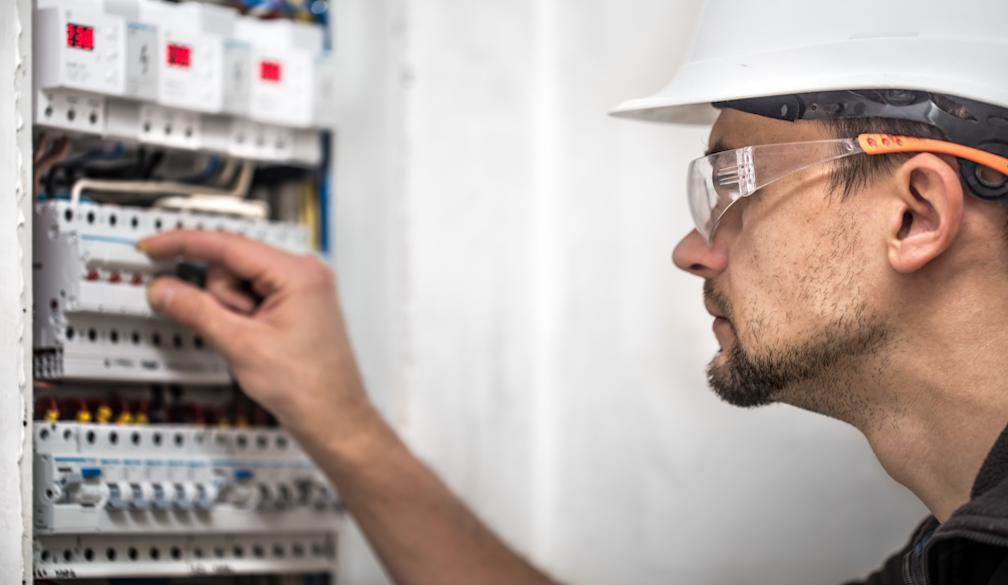
Renovations have a funny way of making people think on surfaces first. Splashback, stone, joinery, tapware, paint. Fair enough too. That is the exciting bit. But before plaster goes up and cabinetry gets locked into place, there is one question that deserves a seat at the table: can the existing switchboard actually handle the home you are creating? If your plans now include an induction cooktop, extra oven capacity, new air conditioning, or a future battery, it is worth looking closely at electrical switchboard upgrades before the walls close up. A well-timed switchboard upgrade in Melbourne can save a lot of messy rework, and a lot of money, later on.
Here’s the thing. Energy Safe Victoria warns that old household wiring can degrade over time and may no longer cope with the demands of modern electrical equipment. The regulator is especially blunt about homes built before the 1980s, saying their wiring should be checked by a licensed electrical inspector or registered electrical contractor. That matters in Melbourne, where plenty of renovations happen in older houses that were never designed for the load profile of a modern family home.
The real renovation question is not “does it work now?”
A lot of switchboards “work” in the same way an old kettle with a wobbly cord still works. It turns on. It gets the job done. That does not mean it is ready for what comes next. Renovations often add more than prettier finishes. They add demand. Bigger kitchen appliances, more lighting circuits, more power points, maybe a heat pump hot water system, maybe solar later, maybe a battery after that. Solar Victoria is actively encouraging Victorian households to electrify with rebates and loans for rooftop solar, heat pumps, and batteries, which means the average renovated home is asking more from its switchboard than it might have asked five years ago.
That is the question renovators should ask early: not “does the board still turn everything on?” but “is it suited to the next version of this house?” They sound similar, but they are not. One is about survival. The other is about readiness.
Why timing matters more than people expect
Honestly, the timing is half the story. Once walls are lined, joinery is in, and the kitchen layout is fixed, electrical changes become more annoying and more expensive. A switchboard upgrade, new circuits, or revised cable paths are much easier to plan before the renovation reaches that polished stage.
Energy Safe Victoria’s guidance for older household wiring literally frames the issue around renovation risk, warning homeowners not to let a renovator’s dream turn into a nightmare. That wording is memorable for a reason. Electrical upgrades are far simpler when the project is still open and accessible. Leave them too late and the job becomes a patch-up exercise instead of a clean plan.
What a “modern” switchboard actually means
People talk about modern switchboards as if the term explains itself. It does not, not really. Consumer Affairs Victoria states that modern switchboards in rental properties must have circuit breakers and electrical safety switches installed, with safety switches also referred to as RCDs, RCCBs or RCBOs. That is a useful baseline, even for owner-occupiers, because it gives a plain-English picture of what current protection is meant to look like.
That does not mean every owner-occupied home has the exact same legal trigger as a rental. But it does show where the standard has moved. In practice, a renovation is often the right moment to bring an older board up to a more modern level, especially if the home is taking on new circuits or heavier loads.
Melbourne renovators are upgrading more than kitchens now
There is a broader trend underneath all this. People are not only renovating for looks. They are renovating for comfort, efficiency, and future bills. Solar Victoria’s current incentives for solar, hot water systems, and battery finance are part of that. So when a homeowner renovates a kitchen or laundry now, they are often also thinking about what comes next: a heat pump, better cooling, solar, maybe even home battery storage later. That makes the switchboard less of a hidden utility and more of a planning hub.
It also means the cheapest decision on paper is not always the cheapest decision across the whole project. Saving the switchboard for later can seem sensible when quotes are stacking up. Then later arrives, and “later” means reopening finished areas, rebooking trades, and trying to wedge future-proofing into a layout that was already signed off.
So what should renovators ask before the plaster goes up?
Start with a simple question: can the current switchboard safely support the new circuits, appliances, and future plans for this house? That opens the right conversation. A good electrician should be able to inspect the existing board, assess whether protection is current enough, and flag whether the home is renovation-ready or merely limping along.
It is also sensible to ask how the switchboard fits into future electrification. Even if you are not installing solar or a battery right now, the economics and incentives in Victoria suggest many households will at least consider them. Planning for a later addition is far easier when the board has already been assessed with that future in mind.
The expensive mistake is usually not the upgrade itself
Most homeowners do not regret a well-timed electrical upgrade. They regret discovering it too late. The bigger cost is often not the switchboard work, but the timing of it. When you have already paid for finishes, delays, and trades coordination, any avoidable rework feels twice as painful.
Energy Safe Victoria’s home-safety messaging exists for a reason. Old wiring and outdated boards are not only compliance or technical issues. They are household issues. They affect safety, convenience, renovation budgets, and whether the new version of the home actually works the way you hoped it would.
So before the walls close up, ask the question. Is the switchboard ready for this renovation, and for the next chapter after it? It is not the flashiest part of the project, but it may be one of the most important. Get that answer early, and the rest of the renovation has a far better chance of feeling smooth, sensible, and built to last.

















