

Why Modern Traffic Management Systems Are Important For Safer Roads
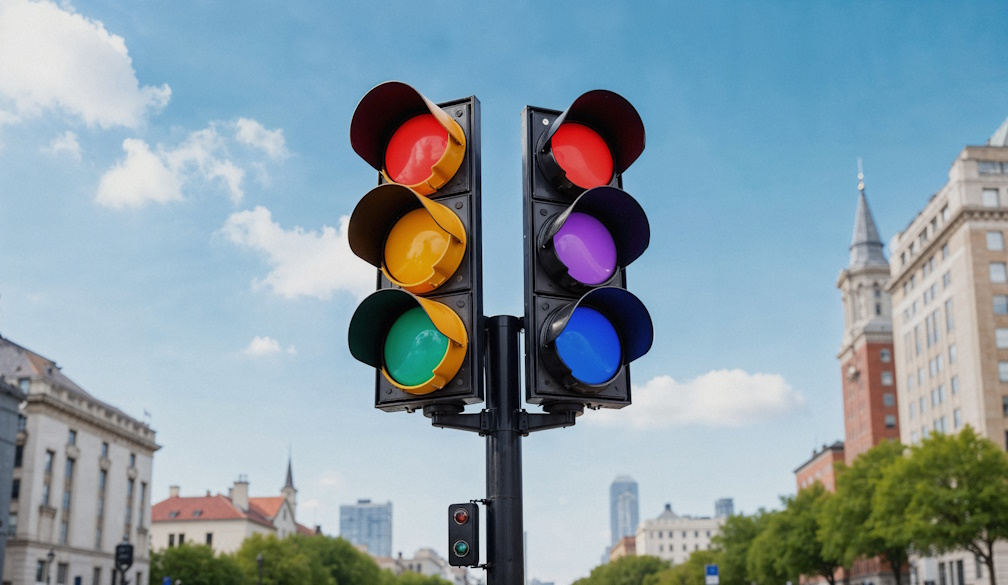
Cities and industrial facilities increasingly rely on advanced Traffic Light System technology to improve road safety, traffic flow, and operational efficiency. As vehicle numbers continue increasing across urban and industrial areas, effective traffic control has become essential for reducing congestion, improving pedestrian safety, and supporting smoother transportation networks. Modern traffic light systems use automation and intelligent control technology to manage traffic movement more accurately and efficiently than traditional systems.
The growing importance of Traffic Management Systems reflects the need for coordinated traffic control solutions capable of handling increasing road usage, infrastructure expansion, and public safety demands. Traffic management systems are used not only on public roads but also within industrial facilities, construction sites, warehouses, airports, mining operations, and private developments where vehicle coordination and controlled movement are essential.
What Traffic Light Systems Do
Traffic light systems are automated signalling systems designed to control the movement of vehicles, pedestrians, and equipment at intersections, crossings, and controlled access points. These systems use visual signals such as red, amber, and green lights to regulate traffic flow and minimise the risk of collisions.
Modern systems often include programmable controllers, sensors, timers, and communication technologies that allow traffic signals to respond dynamically to changing traffic conditions. Instead of relying only on fixed timing cycles, many advanced systems adjust signal timing based on vehicle volumes, congestion levels, and pedestrian activity.
Traffic light systems are commonly installed at road intersections, pedestrian crossings, industrial access points, parking facilities, and construction zones where organised traffic movement is required.
Many systems also integrate with broader traffic management networks that allow traffic authorities and facility operators to monitor and control multiple intersections or operational zones from centralised systems.
Pedestrian safety features such as crossing signals, countdown timers, and audible alerts are also increasingly incorporated into modern traffic light infrastructure.
Why Traffic Management Systems Are Important
Traffic management systems play an important role in improving road safety, reducing congestion, and supporting more efficient transportation networks. Without organised traffic control, intersections and high-traffic areas would become significantly more dangerous and difficult to manage.
One of the main benefits of traffic management systems is improved vehicle coordination. Proper signal timing helps reduce traffic bottlenecks and improves the overall movement of vehicles through intersections and busy operational areas.
Pedestrian safety is another major advantage. Traffic signals create safer crossing opportunities by separating pedestrian and vehicle movement while improving visibility and traffic awareness.
Industrial facilities also rely heavily on traffic management systems to coordinate trucks, forklifts, machinery, and staff movement safely within operational environments. Controlled vehicle access helps reduce workplace accidents and operational disruptions.
Applications Across Different Industries
Traffic management systems are used across a wide range of environments beyond public road networks. Industrial and commercial facilities increasingly use automated traffic control to improve safety and operational efficiency.
Construction sites often require temporary traffic systems to manage vehicle access, road diversions, and pedestrian movement safely around active work areas.
Warehouses and logistics facilities use traffic control systems to coordinate loading zones, delivery vehicles, forklifts, and internal transport routes. Efficient traffic management helps reduce delays and improve workplace safety.
The Importance Of Automation And Smart Technology
Modern traffic systems increasingly use automation and intelligent control technology to improve responsiveness, efficiency, and safety. Traditional fixed-timer systems are gradually being replaced by adaptive systems capable of responding to real-time traffic conditions.
Vehicle detection sensors, cameras, and smart controllers allow traffic systems to adjust signal timing dynamically according to traffic volume and congestion levels. This improves traffic flow and reduces unnecessary waiting times at intersections.
Remote monitoring capabilities also allow operators to identify faults, monitor traffic conditions, and make system adjustments more efficiently from central control locations.
Challenges Facing Modern Traffic Networks
Traffic congestion remains a major challenge across growing urban areas and industrial regions. Increasing population density and vehicle usage place greater pressure on road infrastructure and traffic management systems.
Poorly coordinated traffic signals can contribute to delays, congestion, fuel consumption, and driver frustration. Efficient signal management is essential for improving transportation performance and reducing traffic-related inefficiencies.
Pedestrian safety also continues requiring significant attention, particularly in high-density urban environments where vehicle and pedestrian interactions are frequent.
Conclusion
Traffic light systems and traffic management systems play a vital role in improving road safety, reducing congestion, and supporting efficient vehicle coordination across public and industrial environments. From urban intersections and pedestrian crossings to warehouses and industrial facilities, modern traffic control technology helps create safer and more organised transportation systems.


















