

Diesel Shortage to Impact Trades and Contractors
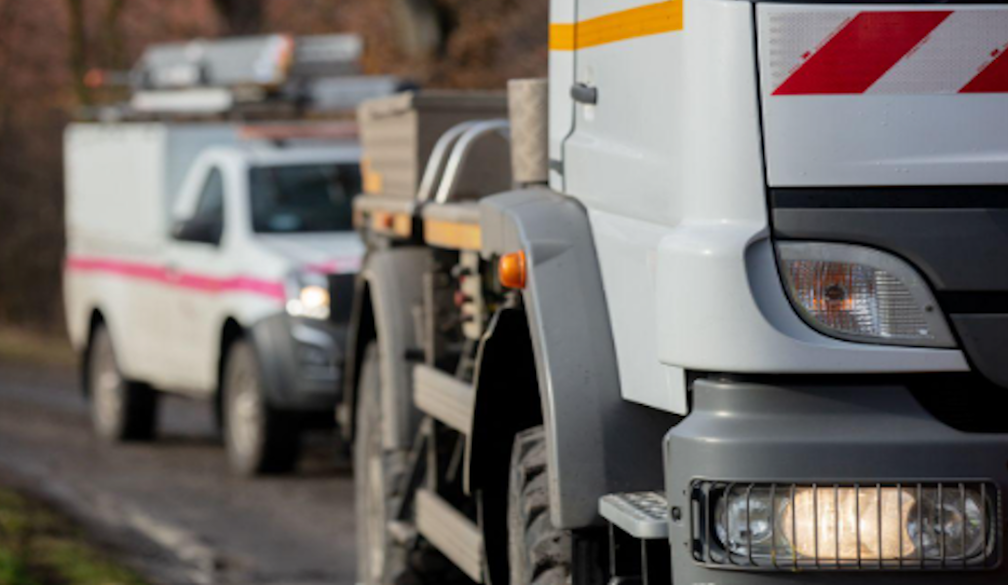
Strait of Hormuz blockage affecting all major parts of trades and construction
Trades and construction across residential, commercial and industrial levels rely on fuel to get work done, and the Iran war fuel shortage is already causing disruptions. The sectors mostly dependent on fuel are earthmoving and excavation, civil construction, concrete work, crane operations, and mining. This group also includes general building trades like plumbing, electrical work and carpentry. Why? They all require fuel for the transport of workers, tools, and materials, power supply on site, and specialised vehicles and machines like concrete mixers, drillers, cranes, and bulldozers.
But before trade and construction workers can even start their work, the supply chain of building materials has also been heavily impacted by the oil and transport shortages from the blockage of the Strait of Hormuz. Suppliers are introducing emergency fuel levies or fuel surcharges that trade companies have to foot the bill for. Major materials affected so far include sand, concrete, bricks, and even pipes for plumbing and groundwork. The costs of some products have already increased by 50%.
And once again, it does not stop there. Oil supply blockages have also led to jet fuel prices doubling in price. If this continues, it can cause, at best, increased air fares and, at worst, mass grounding of flights. Axed flights can cause COVID-like skilled migrant worker shortages.
These fuel issues affect every Australian, from trades workers' job security to those trying to enter the housing market. It is up to the Government now to influence a more resilient outcome than the pandemic.
Industries dread a COVID-like financial and supply issues
Industries are getting a little déjà vu from the supply chain disruptions of the COVID pandemic era, which some have only just recovered from. According to the ABS, 72% of businesses in Australia decreased in revenue due to COVID. It hit the trades particularly hard, with lockdowns and restrictions causing production halts and a shortage of crucial materials; impacted budgets and timelines; and domestic and international labour shortages due to health protocols.
A prolonged oil shortage will impact trades and construction similarly to COVID. And some businesses are already feeling anxious.
"We have plumbers and crane truck operators out on the street, 24/7, providing not just plumbing services, but supporting clients in emergencies. Trades will need fuel rationing exemptions if this government wants to see Australia survive yet another crisis," said Brisbane Plumber, John Salmon.
How will the Government help trades this time round?
The recent 2026-27 Federal Budget offers some hope, but how long it will last remain to be seen. The Government has secured an extra billion litres for March to June (as of 12 May), is building up reserves, launching a National Fuel Security Campaign, and has been negotiating with countries to diversify supply. However, should the Liquid Emergency Act 1984 come into effect, trades and contractors are not included as “Essential Users” eligible for exemption. This only covers emergency services, public transport, taxis, and the like.
Fuel rationing may be on the horizon, and we can only hope that the construction sectors may be included in the Essential Users exemption. But unfortunately, due to the strict nature of the legislation and government advisors, the extension is unlikely. It will be up to individuals to share the fuel supply responsibly.


















