

Unlock Durability And Beauty With Burnt Timber Cladding Solutions
- Written by Modern Australian
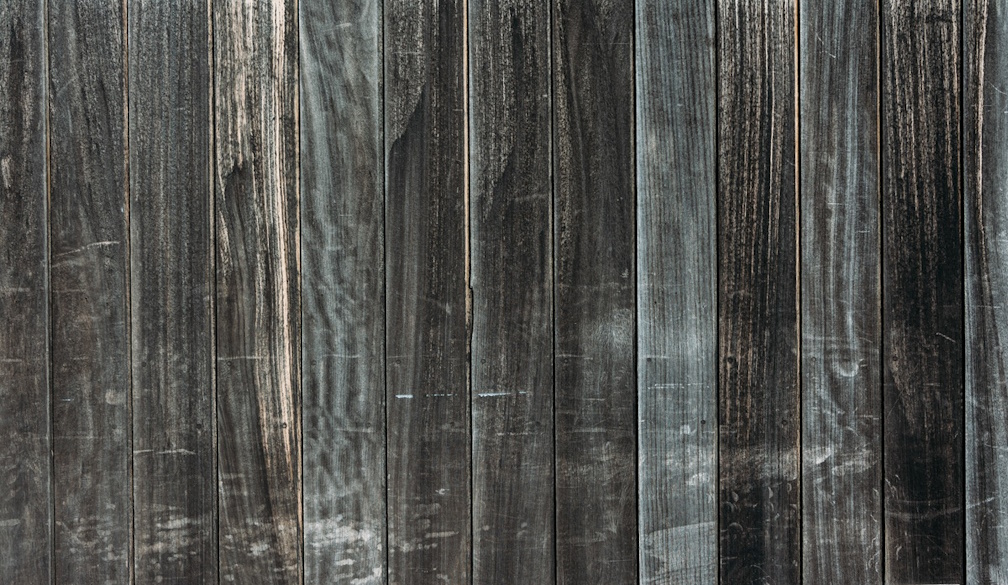
Imagine a home or commercial space that not only stands the test of time but also tells a story through its very facade. In the world of architectural design, few materials offer such a compelling blend of resilience and raw, natural beauty as timber. However, when that timber undergoes a transformative process through controlled charring, its potential for both aesthetic impact and long-term performance reaches an entirely new level. This is the enduring appeal of burnt timber cladding solutions, a technique that has captivated designers and builders seeking something truly exceptional.
From the rugged coastlines to the bustling urban centres, property owners are increasingly seeking materials that offer both character and robust protection against the elements. Traditional timber cladding, while beautiful, often requires significant ongoing maintenance to preserve its look and integrity. Burnt timber cladding, however, offers a unique advantage, enhancing the timber's natural properties to create a finish that is not only visually stunning but also remarkably durable. It's a testament to how ancient wisdom can inform modern construction, providing a sophisticated answer to contemporary design challenges.
A deep dive into shou sugi ban timber cladding
At the heart of the burnt timber cladding movement lies an ancient Japanese technique known as Shou Sugi Ban, or Yakisugi. This method, which translates to "burnt cedar board," originated centuries ago as a way to naturally preserve timber, primarily for homes and fences. It involves carefully charring the surface of timber planks, then cooling them, cleaning off the excess soot, and often finishing them with a natural oil. The result is a striking, deeply textured surface that is inherently more resistant to fire, rot, pests, and the harsh sun.
The philosophy behind Shou Sugi Ban is one of embracing imperfection and the natural cycles of decay and renewal. Rather than fighting against nature, the process works with the timber's inherent characteristics, enhancing its resilience through a controlled transformation. This meticulous craftsmanship yields a material that transcends mere functionality, becoming a piece of art that ages gracefully, developing a unique patina over time. It's a method that truly elevates the unique shou sugi ban timber cladding method, making it a revered choice for discerning projects.
The ancient art and modern application
While Shou Sugi Ban has its roots in traditional Japanese architecture, its principles and aesthetic appeal have found a global audience. Modern architects and designers appreciate its ability to add depth, texture, and a distinctive character to both residential and commercial projects. The process, while rooted in tradition, has been refined with contemporary tools and techniques to ensure consistent quality and performance.
This technique is not merely about burning wood; it's about understanding how fire interacts with timber fibres to create a protective carbon layer. This layer acts as a natural barrier, sealing the timber and preventing moisture ingress, which is a primary cause of decay. Furthermore, the charring process enhances the timber's natural beauty, bringing out rich, dark tones and unique grain patterns that cannot be achieved through conventional staining or painting.
How the charring process works its magic
The magic of burnt timber cladding begins with carefully selected timber species, which are then exposed to a controlled flame. This precise charring is typically done until a specific depth of char is achieved, usually a few millimetres. The timber is then rapidly cooled with water to stop the burning process, followed by brushing to remove loose carbon and reveal the intricate texture beneath.
Finally, the charred timber is often sealed with a natural oil, which further enhances its durability and deepens its colour. This multi-step process transforms raw timber into a highly resilient and visually captivating material. The resulting surface is not just black; it can range from deep charcoal to silvery grey, depending on the timber species, the charring intensity, and the finishing oil used, offering a diverse palette for design.
Unpacking the benefits of burnt timber cladding
Beyond its striking appearance, burnt timber cladding offers a suite of practical benefits that make it an increasingly popular choice for a wide range of building applications. These advantages stem directly from the transformative charring process, which fortifies the timber against many common environmental challenges. Understanding these benefits helps explain why this traditional technique is experiencing such a resurgence in contemporary design.
From enhancing structural integrity to significantly reducing ongoing maintenance, the advantages are compelling. Builders and homeowners alike are recognising the long-term value and peace of mind that comes with specifying this unique material. It’s an investment in both aesthetics and enduring performance, setting a new standard for exterior and interior timber finishes.
Superior durability and weather resistance
One of the most significant advantages of burnt timber cladding is its exceptional durability. The charring process creates a carbonised layer on the timber's surface, which acts as a robust shield against the elements. This protective layer is highly resistant to UV radiation, preventing the timber from fading, warping, or cracking under the intense sun.
Furthermore, the sealed surface repels water, significantly reducing moisture absorption and protecting the underlying timber from rot and decay. This enhanced resistance means that burnt timber cladding can withstand harsh weather conditions, from torrential rain to strong winds, without compromising its structural integrity or visual appeal. It’s a truly resilient material, perfectly suited for the varied climates experienced across our regions.
Natural fire retardancy
While it might seem counterintuitive to burn timber to make it more fire-resistant, that's precisely what Shou Sugi Ban achieves. The carbonised outer layer acts as a natural barrier, making the timber less combustible. This charred surface is already burnt, meaning it has less fuel to offer a new flame and will char more slowly when exposed to fire.
This inherent fire resistance is a crucial safety benefit, particularly in bushfire-prone areas or where stringent building codes apply. It provides an added layer of protection that traditional, untreated timber cannot match. This characteristic is a testament to the intelligent design inherent in the ancient Japanese technique, offering peace of mind along with aesthetic value.
Pest and rot prevention
The carbonised layer created by the charring process is unappetising and impenetrable to common timber pests, including termites and borers. These creatures thrive on untreated timber, but the altered surface of burnt timber cladding offers them no purchase or nutritional value. This natural pest deterrent eliminates the need for chemical treatments, making it a more environmentally friendly option.
Similarly, the sealed, water-resistant surface makes the timber far less susceptible to fungal decay and rot. Fungi require moisture and organic material to grow, and the charred surface significantly reduces both. This dual protection against pests and rot contributes significantly to the longevity and low-maintenance nature of this distinctive cladding.
Low maintenance living
For many property owners, the appeal of burnt timber cladding lies in its remarkably low maintenance requirements. Unlike painted or stained timber, which often needs regular re-coating every few years, charred timber requires minimal upkeep. The carbonised layer is inherently stable and long-lasting, resisting the effects of weathering without constant intervention.
Typically, all that's needed is an occasional wash to remove surface dirt, and perhaps a re-oiling every decade or so, depending on exposure and desired aesthetic. This reduced maintenance schedule translates to significant cost and time savings over the lifespan of the building. It allows you to enjoy the timeless beauty of natural timber without the burdensome upkeep.
Aesthetic versatility and unique character
Perhaps one of the most compelling reasons for the growing popularity of burnt timber cladding is its unparalleled aesthetic appeal. The charring process transforms the timber's surface into a canvas of rich textures and deep, nuanced colours. Depending on the intensity of the burn and the timber species, the finish can range from a velvety matte black to a lustrous, silvery-grey with visible grain patterns.
Each board is unique, bearing the individual marks of the charring process, which adds an authentic, handcrafted feel to any project. This distinctiveness allows designers to create truly bespoke facades and interiors that evoke a sense of warmth, sophistication, and connection to nature. It’s a material that commands attention, making a bold statement while seamlessly blending into diverse architectural styles.
Choosing the right timber for charring
While the Shou Sugi Ban technique can be applied to various timber species, the choice of wood significantly impacts the final aesthetic and performance characteristics of the burnt timber cladding. Different timbers react uniquely to the charring process, resulting in distinct textures, colours, and levels of durability. Understanding these differences is crucial for achieving the desired outcome for your project.
Selecting the appropriate timber is a foundational step in the journey towards creating stunning and resilient charred timber finishes. It's about matching the inherent qualities of the wood with the specific demands of the charring process and the environmental conditions it will face. This thoughtful selection ensures both beauty and longevity for the finished cladding.
Common timber species used
Traditionally, Japanese cedar (Sugi) was the timber of choice for Shou Sugi Ban due to its porous nature and consistent grain, which allowed for an even char. However, here in our local context, various timbers offer excellent results. Spotted gum, for instance, provides a deep, rich char with incredible durability, making it ideal for exterior applications.
Blackbutt is another popular choice, known for its strength and resistance, and it takes on a beautiful, textured finish when charred. Cypress pine, with its natural resistance to termites, also responds well to charring, producing a lighter, more textured carbon layer. Even hardwoods like Ironbark can be charred, offering unparalleled density and a distinct aesthetic.
Factors influencing timber selection
When selecting timber for burnt cladding, several factors come into play. The density of the timber affects how deeply and evenly it chars; softer woods tend to char more quickly and deeply, while denser hardwoods may require more controlled burning. The grain pattern is also important, as the charring process highlights and enhances these natural features, contributing to the unique visual appeal.
Conclusion
Burnt timber cladding represents a rare balance between tradition and innovation, offering a material that is as functional as it is visually striking. Through the time-honoured Shou Sugi Ban technique, timber is transformed into a highly durable, low-maintenance solution that naturally resists fire, pests, moisture, and weathering. This makes it an intelligent choice for both residential and commercial projects where longevity and performance matter just as much as design.
Beyond its practical advantages, burnt timber cladding brings a depth of character and authenticity that few materials can match. Each board tells its own story through texture, tone, and grain, allowing buildings to feel grounded, distinctive, and connected to nature. For those seeking a façade or interior finish that delivers enduring beauty, reduced upkeep, and architectural impact, Shou Sugi Ban timber cladding stands as a timeless and compelling solution.
Also Read: What are the benefits of timber cladding for sustainable homes?

















