

Sydney Turf Installer for Instant Green Lawns and Long-Term Performance
- Written by Modern Australian
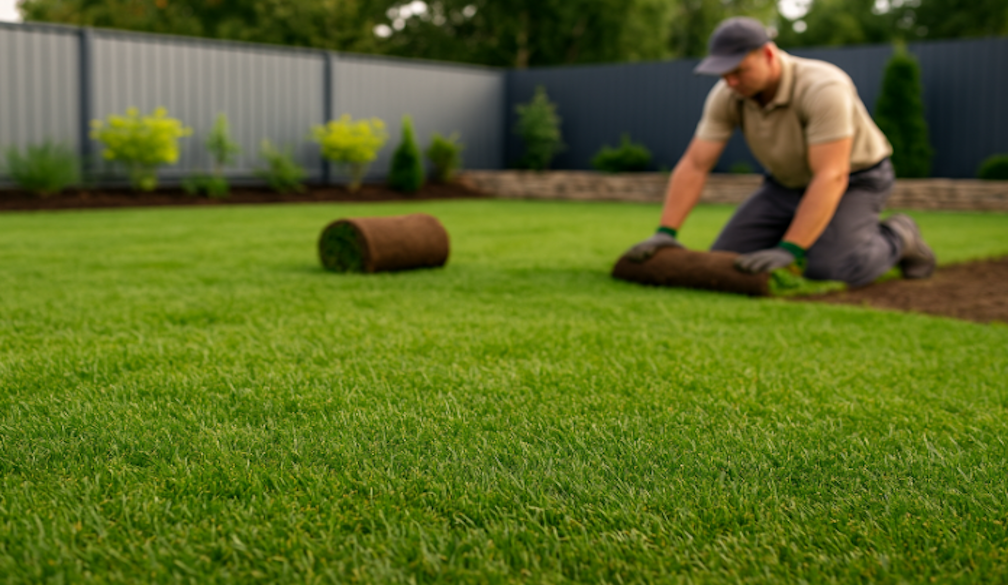
Having a green lawn at home makes everything look better. Whether it’s the front yard, backyard, or a small patch beside the driveway, people in Sydney love the feel of real grass under their feet. But getting that lush look isn’t easy for everyone. Many homeowners and property managers now rely on a Sydney Turf Installer to handle the job quickly and properly. With professional support, you get the right turf, good ground prep, and a better outcome that lasts.
Lawn problems are common across the city. Patches, weeds, dry spots, and uneven growth often frustrate property owners. The weather can shift from heavy rain to dry heat in a matter of days.
A professional Sydney Turf Installer understands the soil and climate of Sydney and helps you select turf that works for the area, making a big difference in long-term lawn health.
What Does a Turf Installer Do?
A turf installer is someone trained to lay down fresh grass in the right way. They start by removing the old surface, preparing the soil, and laying the new turf so that it grows strong and looks smooth.
For a home or business, this process means:
- Less waste of time and water
- Stronger root systems for turf
- A surface that’s ready to use in days, not weeks
- No guesswork or patchy results
In Sydney, a turf installer also knows how to deal with clay-heavy or sandy soils, poor drainage, and steep slopes. These things affect how turf settles and grows. Professional work ensures your lawn can stay green longer with less work on your part.
Best Types of Turf for Sydney Conditions
Sydney has a warm, temperate climate. Summers get hot, and winters stay mild. Not every turf type can handle this pattern. A good Sydney Turf Installer will often recommend grasses that fit the local setting. Here are some examples used in many homes and parks:
1. Sir Walter DNA Certified Buffalo
This is a tough grass with a soft feel. It handles sun and shade and grows well in all kinds of soil. It also needs less mowing and water.
2. Kikuyu
A fast-growing option, ideal for areas where kids or pets play. It loves full sun and grows back quickly after wear.
3. Couch Grass (Wintergreen)
This type offers a clean, low-cut finish. It grows best in sunny areas and is often used for sports fields or clean-looking yards.
4. Zoysia
Zoysia is slower to grow but needs less mowing. It holds color well and resists weeds, making it a good choice for low-care lawns.
Choosing the right type matters. With help from a local installer, you can match your yard’s light, soil, and usage with the perfect grass.
Why DIY Turf Installation Often Fails
People sometimes try to install turf on their own to save money. But it’s not as easy as it looks. A few common mistakes include:
- Uneven soil or poor drainage
- Wrong turf type for the yard
- Poor soil preparation before laying
- Gaps between rolls or turf that lift later
- Over or under-watering during the first few weeks
Even a small mistake can cost time and money. The turf might die in patches, weeds may take over, or the lawn may never root properly. This often leads to needing repairs or a full replacement later.
That’s why working with a Sydney Turf Installer helps save you from doing the job twice.
Benefits of Hiring a Sydney Turf Installer
A local turf specialist brings more than just tools. They bring knowledge of Sydney’s council rules, weather, common soil types, and what’s likely to work best for your location. Here’s what you can expect:
Faster Completion
Professionals can prepare, lay, and water-in the turf much faster than most homeowners can. Your lawn is ready to use in less time.
Cleaner Finish
With the right tools and experience, turf rolls go down tightly, with fewer seams or lifted edges.
Long-Term Performance
Correct soil prep and aftercare advice mean your lawn stays healthy and green long after installation.
Expert Advice
You’ll get tips on watering schedules, mowing times, and keeping pests away, based on your grass type and yard conditions.
Installation Steps: What to Expect
When you hire a Sydney Turf Installer, the process follows a few simple but important steps:
- Site Inspection: The installer checks your lawn area for slopes, soil condition, and sun exposure.
- Soil Preparation: This includes removing old grass, levelling the soil, and sometimes adding fresh topsoil or conditioner.
- Turf Delivery and Laying: The turf arrives fresh and is laid the same day. Rolls are placed tightly together with staggered joints.
- Watering and Rolling: Watering starts right away to help roots bond with the soil. A roller may be used to press the turf down evenly.
- Aftercare Guide: The installer gives clear instructions for the first 2–3 weeks, including how to water and when to mow.
Key Locations in Sydney That Often Use Turf Installers
Turf installation services are popular across both homes and commercial properties. Common areas include:
- Suburban yards in Parramatta, Blacktown, and the Hills District
- Parks and schools across Inner West Sydney
- Rental properties and apartments in Eastern Suburbs
- New builds in South Western Sydney need fast landscaping
Each area has its own soil type and building trends. Local experts understand how to match those needs with the right turf.
Keeping Your New Lawn Healthy
Once the turf is down, keeping it in good shape is simple if you follow the basics:
- Water daily for the first 7–10 days, then less as roots grow
- Avoid heavy use until the turf is fully rooted
- Mow, when the grass is around 6–7 cm tall (use sharp blades)
- Keep edges trimmed to prevent overgrowth
- Watch for weeds and treat quickly if needed
A professional Sydney Turf Installer will give you a short guide that makes all of this easy to follow.
Final Words
A well-laid lawn doesn’t just improve how your yard looks. It can raise property value, help control soil erosion, and provide a clean space for kids and pets to enjoy. Doing the job right from the start makes a big difference.
If you're in Sydney and want a green lawn that stays healthy for years, consider working with a trusted Sydney Turf Installer. You’ll avoid the hassle of guesswork and get a lawn that looks right from the first day.

















