

Benefits of Using an Outrigger Crane for Complex Lifts
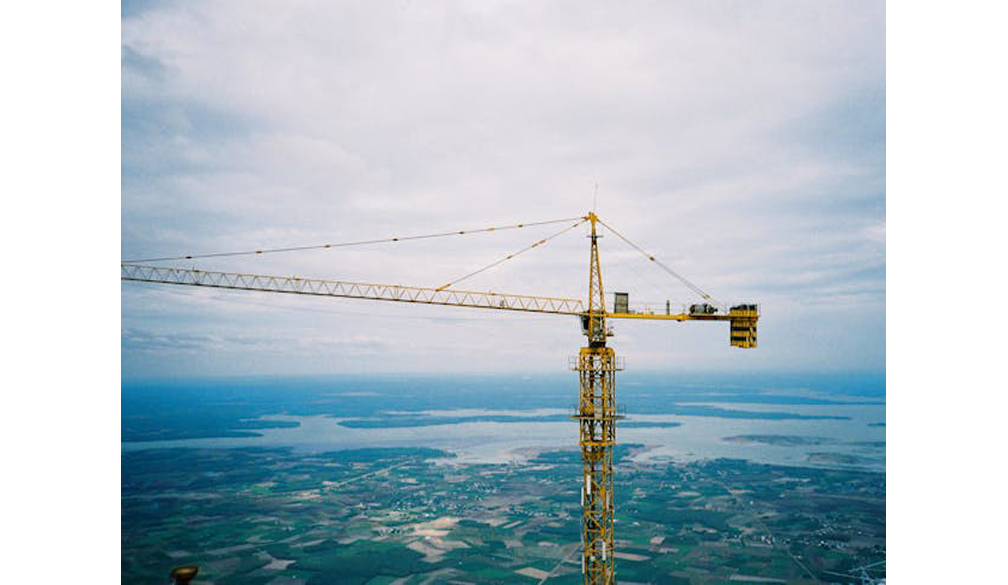
Complex lifts aren’t the kind of jobs you improvise. You’re dealing with awkward shapes, serious weight, and sites that never seem designed for what you’re trying to do. One wrong move can stall the whole project or wreck something expensive. That’s why the gear you choose matters. Outrigger cranes are an essential part of that gear.
You Can Work in Tight Spaces
Job sites are rarely generous. There’s always a fence in the wrong spot, a pile of materials nobody moved, or a building corner that blocks your clean angle. Complex lifts get even harder when you’re boxed in.
With a good setup, you can position your crane in places that would normally feel impossible. The outriggers extend and anchor the machine. That way, you don’t need a giant footprint to stay safe. You can slide into tighter gaps and still lift heavy loads without compromising balance.
That flexibility is important because it changes how you plan your site. You’re not forced to redesign everything around the crane. Instead, the crane adapts to the mess you’ve already got.
Heavy Loads Feel Less Sketchy
There’s a point during any big lift where your stomach tightens. The load clears the ground, and for a second, it feels like you’re testing fate. Better support reduces that feeling. When the crane is properly stabilised, weight distribution becomes predictable. You’re not fighting hidden shifts or surprise tilts. The machine handles the mass the way it’s supposed to.
You still respect the limits. You don’t get reckless. But you’re not operating in constant fear either. For complex lifts, that mental breathing room makes all the difference. A calmer operator makes cleaner decisions, and cleaner decisions prevent expensive mistakes.
Setup Is Faster Than You Expect
People assume extra stabilising gear slows everything down. In practice, a smart outrigger crane system speeds you up. Once you know what you’re doing, deployment becomes routine. You roll in, extend, level, and you’re ready to work.
That quick setup matters on busy sites where downtime stacks up fast. You don’t want half your crew standing around waiting for lifting gear to become operational. The faster you stabilise, the sooner the lift starts, and the sooner everyone moves on to the next task.
Fast setup also encourages proper use. When equipment is a pain to prepare, crews cut corners. When you have a system that’s straightforward, it removes that temptation.
Precision Improves Without You Trying So Hard
Complex lifts often demand fine control. You’re threading a load between obstacles or aligning it with mounting points that don’t forgive sloppy placement. Extra stability translates directly into better precision.
When the base of the crane isn’t shifting under load, your control inputs produce cleaner motion. Small adjustments stay small. You’re not compensating for wobble or drift. That makes delicate positioning easier, even if you’re not a veteran operator.
Precision also protects the thing you’re lifting. Expensive components don’t get scraped or bumped into place. They arrive where they’re supposed to go in better condition.
You Reduce Wear on the Machine
Lifting heavy, uneven loads stresses equipment; that’s the reality of construction work. Constant micro-movements and corrections add up over time. They chew through components and shorten service intervals.
A well-stabilised crane experiences fewer of those stresses. Forces are distributed more evenly through the structure. Parts don’t fight each other as much. The machine runs more smoothly, and smoother operation usually means longer lifespan. For you, that translates into fewer breakdowns and less maintenance.
You Look Like You Know What You’re Doing
There’s a practical side to perception. Clients and supervisors watch how you handle complex lifts. Clean setups and controlled movements signal competence. When your crane sits solid, and your lifts run smoothly, people notice. And on top of that, teams communicate better when they believe the equipment and operators are reliable.
Confidence spreads. A site that feels organised tends to stay organised. Using proper stabilisation isn’t just technical. It shapes how everyone around you approaches the work.
You Handle Complex Jobs Without Overcomplicating Everything
Complex lifts already come with enough variables. Weather, timing, load geometry, and site constraints. You don’t need your lifting equipment to add extra headaches.
Strong stabilisation simplifies the equation. You remove one major source of uncertainty. The crane becomes a steady platform instead of another problem to manage. That simplicity frees up mental bandwidth for the parts of the job that actually require creativity.
Conclusion
In the end, that’s the real benefit. You get a tool that makes hard lifts feel manageable. Not easy, but manageable. And on a busy site, manageable equipment is often the difference between a job that drags and a job that gets done.



















