

Understanding the Different Types of Car Services: Minor vs Major
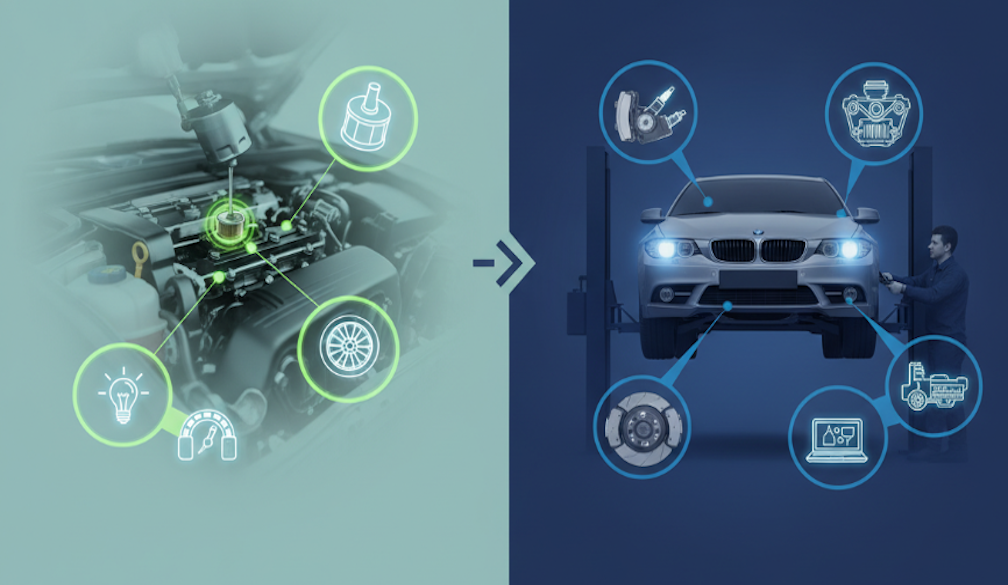
When it comes to car maintenance, one of the most important things every vehicle owner should understand is the difference between a minor and a major car service. Regular servicing ensures that your vehicle remains in top condition, extends its lifespan, and maintains its safety and reliability on the road. But what exactly are minor and major services, and when should you opt for each? Let’s dive into the details.
What is a Minor Car Service?
A minor car service, often referred to as an interim or basic service, is a routine maintenance check that focuses on the essentials. This type of service is typically recommended for cars that are driven regularly but are not experiencing major issues or wear. Minor services are typically performed more frequently, with most car manufacturers recommending a minor service every 6,000 to 10,000 kilometres or approximately every six months, depending on driving conditions and the age of the car.
What’s Included in a Minor Service?
In a minor service, the mechanic will typically carry out the following checks and tasks:
- Oil and Oil Filter Change
One of the most important aspects of a minor service is changing the engine oil and oil filter. Over time, oil degrades, which can result in increased engine wear. Replacing both the oil and the filter ensures your engine runs smoothly and efficiently. - Fluid Levels Check
This includes checking and topping up essential fluids like coolant, brake fluid, power steering fluid, and windshield washer fluid. Having the right fluid levels helps prevent overheating and ensures your vehicle operates safely. - Brake Pads and Discs Inspection
While the brake system is not usually serviced in its entirety during a minor service, the pads and discs are checked for wear. If they are showing signs of damage or excessive wear, you may be advised to replace them before your next service. - Air Filter Check and Replacement
A clean air filter ensures that your engine receives a steady supply of fresh air. If the air filter is clogged with dirt or debris, it can affect fuel efficiency and engine performance. During a minor service, the mechanic will inspect and replace the air filter if necessary. - Tyre Check and Pressure Adjustment
Your tyres are checked for signs of uneven wear, cuts, or punctures. The tyre pressure is also checked to ensure it aligns with the manufacturer’s recommendations. Proper tyre pressure is vital for safety, fuel efficiency, and even tyre wear. - Battery Check
A quick check of your car’s battery condition and terminal connections is also part of a minor service. If there’s corrosion or any sign of battery degradation, it might need to be cleaned or replaced. - Lights and Wipers Check
The mechanic will check that all lights—headlights, brake lights, indicators—are functioning properly. Additionally, wiper blades are inspected to ensure they’re effective at clearing the windshield and can be replaced if necessary.
When Should You Book a Minor Service?
You should book a minor service if your car is generally running smoothly, with no significant issues present. This is typically a good service for cars that are under 5 years old or have relatively low mileage. If you’re a driver who primarily uses the car for short trips or city driving, where the engine doesn't get the chance to work as hard, you may need to have minor services done more often.
What is a Major Car Service?
A major car service is a more thorough, in-depth check-up that involves a wide range of tasks and inspections. It’s typically done every 30,000 to 40,000 kilometres or after a few years of ownership. Major services are designed to catch any issues that may have developed over time and to ensure that your car is running at its best.
A major service is usually recommended for older cars or cars with higher mileage, as they are more likely to have experienced wear and tear. These services are more extensive than minor ones, addressing deeper mechanical components and systems that may require attention after long-term use.
What’s Included in a Major Service?
A major service generally includes everything in a minor service, plus a more comprehensive inspection of your vehicle’s components. Here’s what you can expect:
- Full Engine Inspection
A major service involves a thorough inspection of your engine. This includes checking for any signs of wear, leaks, or damaged parts. The mechanic will also ensure that belts, hoses, and other critical engine components are in good working order. - Transmission Check
In addition to checking engine performance, the mechanic will inspect the transmission system to ensure it’s shifting smoothly and operating correctly. Any issues here could affect the car’s overall drivability and efficiency. - Fuel System Cleaning
Over time, the fuel system can accumulate dirt, grime, and deposits that can reduce fuel efficiency. A major service may include a fuel system cleaning to ensure that the engine receives the right amount of clean fuel for optimal performance. - Timing Belt Replacement
Many cars have a timing belt that needs to be replaced every 60,000 to 100,000 kilometres, depending on the model. In a major service, the mechanic will inspect the timing belt for any signs of wear and will replace it if necessary. Failing to replace a worn timing belt can lead to engine failure. - Suspension System Check
The suspension system, which includes shock absorbers, struts, and springs, is thoroughly inspected to ensure a smooth ride and proper handling. Worn suspension components can affect handling and safety, so it's crucial to have them checked regularly. - Cooling System Flush
The coolant system helps maintain your engine temperature, and over time, the coolant can become contaminated or lose its effectiveness. A major service may involve flushing the radiator and replacing the coolant to prevent overheating. - Brake System Overhaul
While a minor service involves a brake inspection, a major service may include a more thorough brake check, including the replacement of brake pads, fluid flush, and checking for any signs of damage to the brake lines or discs. - Detailed Interior and Exterior Inspection
A major service often involves a detailed inspection of the vehicle’s interior and exterior. This includes checking for rust, wear on upholstery, air conditioning performance, and ensuring all cosmetic elements are functioning properly.
When Should You Book a Major Service?
A major service is essential if your car is older, has high mileage, or if it hasn’t had a thorough service in some time. If your car is beginning to experience issues like poor fuel economy, odd noises, or warning lights on the dashboard, a major service can help pinpoint and address these problems. Major services are also useful for ensuring that your vehicle remains safe to drive, especially if you plan on keeping it for several more years.
Minor vs Major: How to Choose the Right Service
When deciding between a minor and major car service, the key factor is the condition of your car. If your vehicle is relatively new and has few issues, a minor service is typically sufficient. However, if your car has been on the road for several years, has high mileage, or you’ve noticed unusual sounds or warning lights, a major service is the best option.
For many cars, a minor service is required more frequently, while a major service is usually needed every 2 years or after a certain number of kilometres. Regularly maintaining your car with both types of services helps keep it running smoothly and prevents costly repairs down the line.
Conclusion
Understanding the difference between minor and major car services is crucial to maintaining the health and longevity of your vehicle. Minor services focus on essential checks and are usually performed more frequently, while major services are more comprehensive and address deeper mechanical issues. Regularly booking both types of services ensures that your car remains reliable, safe, and efficient for years to come.
By keeping up with your service schedule, whether it’s a minor or major service, you can avoid unexpected breakdowns, maintain the value of your car, and enjoy a smoother, safer driving experience. Always consult your vehicle’s manual for manufacturer recommendations, and don’t hesitate to contact your mechanic if you're unsure about what service your car needs.



















