

Physiotherapy Strategies for Improving Independence in Daily Living
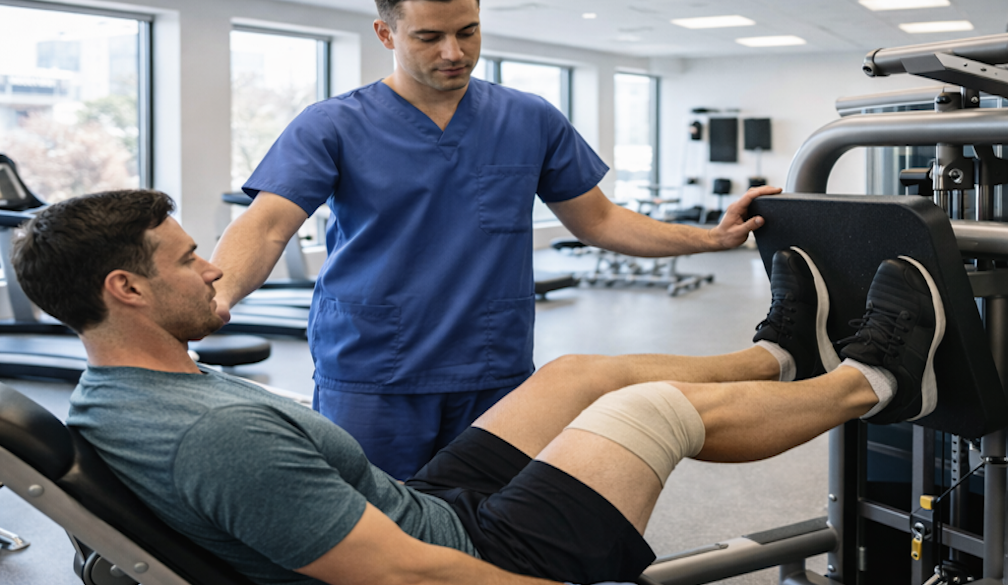
For many individuals living with permanent and significant disabilities, the concept of "independence" is not about a total absence of support, but rather the ability to perform daily tasks with greater autonomy, safety, and confidence. In the context of the National Disability Insurance Scheme (NDIS), physiotherapy is recognized as a vital "capacity building" support that directly facilitates this transition.
While traditional physiotherapy is often associated with short-term injury rehabilitation, ndis physiotherapy adopts a long-term, goal-oriented approach. NDIS physiotherapy services focuses on the science of movement to help participants navigate their homes, access their communities, and manage personal care routines with reduced reliance on others.
1. Enhancing Mobility and Functional Transfers
The ability to move safely within one's own environment is the cornerstone of independent living. Physiotherapists work with participants to improve gross motor skills, balance, and coordination. This often involves "Task-Specific Training," where exercises are designed to mimic the exact movements required for daily life.
Common interventions include:
- Gait Training: Teaching safe and efficient walking patterns, whether unassisted or using mobility aids like walking frames or sticks.
- Transfer Training: Developing the strength and technique to move safely between different surfaces, such as from a bed to a wheelchair, or from a sitting position to standing.
- Fall Prevention: Assessing balance and environmental risks to reduce the likelihood of injuries that can lead to a loss of independence.
2. Building Strength for Activities of Daily Living (ADLs)
Many tasks we take for granted—such as dressing, meal preparation, or personal hygiene—require a baseline level of muscle strength and endurance. Physiotherapists develop progressive resistance programs tailored to the participant's specific functional goals.
For example, a participant aiming to prepare their own meals might focus on upper body strength and standing tolerance. By improving the physical capacity to stand at a kitchen bench or reach into a cupboard, physiotherapy turns a previously impossible task into a manageable daily routine. This "skill building" approach is central to the NDIS philosophy of increasing a participant’s functional capacity over time.
3. Assistive Technology and Equipment Prescription
In some cases, physical therapy alone is not enough to bridge the gap to independence. This is where the prescription of Assistive Technology (AT) becomes essential. A physiotherapist can assess, trial, and fit a range of equipment that enables a participant to navigate the world more freely.
This might include:
- Manual or Powered Wheelchairs: Customised to the individual’s postural needs and environmental requirements.
- Orthotics and Bracing: To support joints and improve the efficiency of movement.
- Transfer Aids: Such as hoists or slide boards, which allow for safer movement with minimal physical strain on the participant or their carers.
4. Pain and Fatigue Management
Chronic pain and fatigue are significant barriers to independence. If a participant is in constant pain or lacks the energy to get through the morning, community participation and personal care become secondary concerns.
Physiotherapy strategies such as manual therapy, hydrotherapy, and "pacing" education help participants manage these symptoms. By learning how to monitor their own body and use energy-conservation techniques, individuals can engage more consistently in the activities that matter most to them, from social outings to vocational training.
5. Goal Alignment and the NDIS Framework
Under the NDIS, physiotherapy is typically funded under the Capacity Building – Improved Daily Living budget. This category is specifically designed for therapies that increase a participant's skills and independence.
To ensure the best outcomes, physiotherapists work collaboratively with the participant’s entire support team—including occupational therapists and support workers—to create a unified plan. Goals are set using SMART principles (Specific, Measurable, Achievable, Relevant, and Time-bound), ensuring that every session is a purposeful step toward a more autonomous lifestyle.
References
- National Disability Insurance Agency (NDIA): Guidelines on Capacity Building and therapeutic supports.
- Australian Physiotherapy Association (APA): Fact sheets on physiotherapy in disability and NDIS integration.
- AHPRA (Australian Health Practitioner Regulation Agency): Standards for physiotherapy practice and specialist titles in Australia.
- World Health Organization (WHO): International Classification of Functioning, Disability and Health (ICF) framework.


















