

For First Nations people, coronavirus has meant fewer services, separated families and over-policing: new report
- Written by: Lorana Bartels, Professor and Program Leader of Criminology, Australian National University
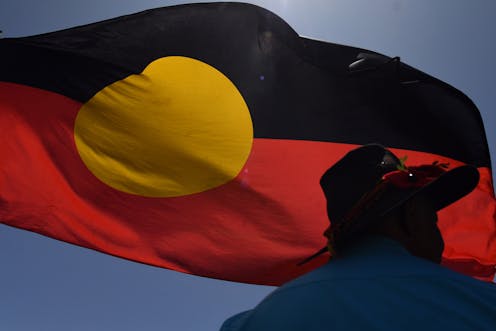
Yesterday was National Sorry Day in Australia. It marks the anniversary of the tabling of the Bringing Them Home report, which chronicles decades of removals of Aboriginal and Torres Strait Islander children from their families.
Sorry Day also acknowledges the strength of the Stolen Generations survivors and reflects on the role everyone can play in healing our country.
Yesterday was also the third anniversary of the release of the Uluru Statement from the Heart, which poignantly notes:
Proportionally, we are the most incarcerated people on the planet. We are not an innately criminal people. Our children are aliened from their families at unprecedented rates. This cannot be because we have no love for them. And our youth languish in detention in obscene numbers. They should be our hope for the future.
And this week is National Reconciliation Week, which represents a time for all Australians to learn about our shared histories, cultures and achievements. The theme this year is “In This Together”.
Read more: Why self-determination is vital for Indigenous communities to beat coronavirus
Findings of a new report
However, a new report released today makes clear the treatment of First Australians during the COVID-19 outbreak is not the same as for non-Indigenous Australians.
The report by Change the Record, the First Peoples-led justice coalition of peak bodies and allies, highlights numerous ways Aboriginal and Torres Strait Islander peoples have been disproportionately affected by the more punitive and restrictive policy responses to the pandemic.
Among the findings were:
First Nations people have experienced an increased use of lockdowns in prisons and have had reduced access to lawyers and visits from families
some prisons have required people in prison “to pay exorbitant fees to call loved ones”
victim-survivors of family violence have been unable to access police protection and support services due to staffing shortages (a particular concern because there is evidence such violence is increasing)
Aboriginal and Torres Strait Islander legal services have reported “substantial challenges” in working with their clients and are concerned about a spike in legal demand as soon as restrictions are lifted
the closures of residential drug and alcohol facilities have led to people being sent home, leaving some people without alternative and safe living arrangements
First Nations parents have had access to their children in out-of-home care restricted, causing “distress and anxiety in a time of heightened stress for everyone”
there has been over-policing of First Nations people for offences such as public nuisance, public drunkenness, fare evasion and failure to comply with move on orders. There have been high numbers of fines issued in small towns with high First Nations populations and low levels of COVID-19.
Governments’ COVID-19 prison policies have been inadequate
As we have argued in open letters to governments and elsewhere, the risk of transmission of COVID-19 in prisons has been a concern requiring immediate action across the country.
First Nations people are particularly at risk of infection, due to:
Accordingly, we have called on governments to release some prisoners early, including First Nations people.
The government response to prevent the spread of coronavirus in prisons has included restrictions on visitors (especially family members), enforced isolation and lockdowns of people.
These circumstances have created unrest in prisons and likely contributed to three recent deaths in Queensland prisons.
Read more: FactCheck Q&A: are Indigenous Australians the most incarcerated people on Earth?
The Change the Record report chronicles the despair of First Nations people in prisons and their lack of access to services and support.
An Aboriginal man, Daniel, has been remanded in prison in Tasmania since early 2020. … Daniel is not allowed any visits with his family or his lawyer because of COVID-19 restrictions. He reports feeling lost in the legal proceedings because he cannot have a decent chat with his lawyer about the matters and get advice.
The report makes recommendations for people in prisons, including:
the release of First Nations people in prisons who are low-risk, on remand, elderly or at increased risk of COVID-19, as well as children and those with chronic health conditions
protecting the human rights of First Nations people in prison, by ensuring access to oversight and monitoring agencies, family, legal services, mental health care, education and programs
The impact of COVID-19 restrictions on children
Some of the invisible victims in the pandemic are the children of prisoners. Imprisonment disrupts family life, especially in cases when a First Nations mother or primary caregiver is incarcerated.
Because physical visits have been suspended, children’s access to their imprisoned parents has been even more constrained.
Read more: Friday essay: voices from the bush – how lockdown affects remote Indigenous communities differently
This has life-long and intergenerational effects on individuals and communities. It can also lead to the permanent placement of children in state care.
The Change the Record report also notes how First Nations parents are unable to visit with their children in out-of-home care.
Julia had been having multiple face-to-face visits with her child every week. Due to COVID-19, Julia’s contact with her daughter has been reduced to one phone/video call a week. … When children cannot engage in this mode of communication, for some parents contact with their children has stopped all together.
The report makes recommendations for policies affecting children during the pandemic, including:
increasing support and access to safe accommodation for First Nations families fleeing family violence to stop further removals of children
implement legislative changes to ensure parents of First Nations children in out-of-home care don’t lose their children to permanent care during COVID-19.
The report also calls for:
- rebuilding our justice system after COVID-19 to focus on investing in community, not prisons, to increase community safety and prevent black deaths in custody.
No return to status quo
We endorse these recommendations, especially the final call to rebuild our justice system. As we emerge from the immediate threat of the pandemic, it is vital that we not return to the status quo.
More than two years ago, the Australian Law Reform Commission’s Pathways to Justice report was tabled in parliament. It outlined a comprehensive blueprint for reducing Aboriginal and Torres Strait Islander over-incarceration.
The Australian government is yet to respond.
If Reconciliation Week is to be meaningful, governments must take action to heal, rather than jail, First Nations people. In the current circumstances, this includes acting on Change the Record’s recommendations.
Authors: Lorana Bartels, Professor and Program Leader of Criminology, Australian National University


















