

Lonely in lockdown? You're not alone. 1 in 2 Australians feel more lonely since coronavirus
- Written by: Michelle H Lim, Senior Lecturer and Clinical Psychologist, Swinburne University of Technology
Many Victorians are now well into their second round of stage 3 lockdown, under which there are only a handful of reasons one can leave home — and for many who live alone, it’s starting to grate.
Under the rules, partnered people are allowed to visit a boyfriend or girlfriend without risking an infringement notice, which may feel unfair to single people.
That’s understandable. Humans are innately social, we all need human connection and we’re used to routine. When we are deprived of something — even for a short time — the need sometimes becomes stronger. (And while I’m talking mostly about the need for human connection, many who live alone are less able than usual to get help from family or friends with practical essentials, such as getting food, care or medicines).
If you live alone — or with others to whom you are not particularly close — it’s important to find different and creative ways to connect with people while still reducing the immediate COVID-19 risk.
And for all of us, it’s time to redouble our efforts to check up on family, friends, neighbours, and colleagues.
Read more: Social distancing can make you lonely. Here's how to stay connected when you're in lockdown
Lockdown can make us lonely
Victorian police chief commissioner Shane Patton, told reporters that since stage 3 stay at home restrictions resumed for much of Melbourne last Wednesday, many vehicles had been stopped and infringement notices issued, adding:
The most common reason is going to visit family or friends or associates and overnight stays.
We don’t know how many, if any, of those were single people but it shows the risks many people are willing to take to see family and friends.
We are partway through a yet-to-be published study aimed at understanding the impact of the COVID-19 pandemic on relationships, health, and quality of life. We have surveyed 2,666 people at the first wave around the world.
The first wave data found that 1 in 2 Australians report feeling more lonely since COVID-19. Living with family during COVID-19 seems to be most beneficial for protecting against feelings of loneliness, depression, social anxiety and stress. Young adults aged 18-25 also reported the highest levels of loneliness compared with other age groups. We know from previous research that young people have high social needs.
And it’s not just people living alone. People who live with housemates (or those unrelated to them) may also be at greater risk of loneliness. People also have complex social needs. Some have said, “I love my husband and my kids but I’m desperate to see my friends”.
These findings are preliminary and work is ongoing. These early results are from when we first went into lockdown — before many people had lost jobs and networks and before the shine had worn off Zoom social catch-ups.
Data from the second and third round of surveys will tell us more about how things have changed.
Making your interaction count
So, what can we do?
There are many ways to have safe social interactions within the recommended guidelines. It might help to remind yourself often that it’s not forever. There will be lots of time we can have together when the immediate threat has passed. And right now, the immediate risk to public health is huge.
And it doesn’t have to be just about Zoom catch-ups. Try going for a walk while talking on the phone with a friend, making something for a friend, writing a letter to a relative, or exercising with a friend while observing physical distancing.
There are very few benefits to this crisis but it may help us rediscover flexible ways to relate to others. Maybe we can think more clearly about cherishing these moments of interaction. You might think: “now I can’t see my nanna, I feel the need more than ever to connect with her. I can give her more regular phone calls or send a letter to make her feel valued, as opposed to going through the motions of a more routine visit.”
It’s not just having a conversation but rather having meaningful interactions.
Insights from social and behavioural science tell us that comprehensive public health responses work best when leaders, public health experts and policy makers emphasise that cooperating is the right thing to do, that other people are already cooperating and appeal to our shared sense of identity.
Understanding how people perceive the COVID-19 threat, their social context (including cultural norms), the way these messages are communicated to the public, and individual and collective interests are all crucial.
While most people try their best to follow the guidelines, simplistic messaging such as “don’t do this” is often ineffective.
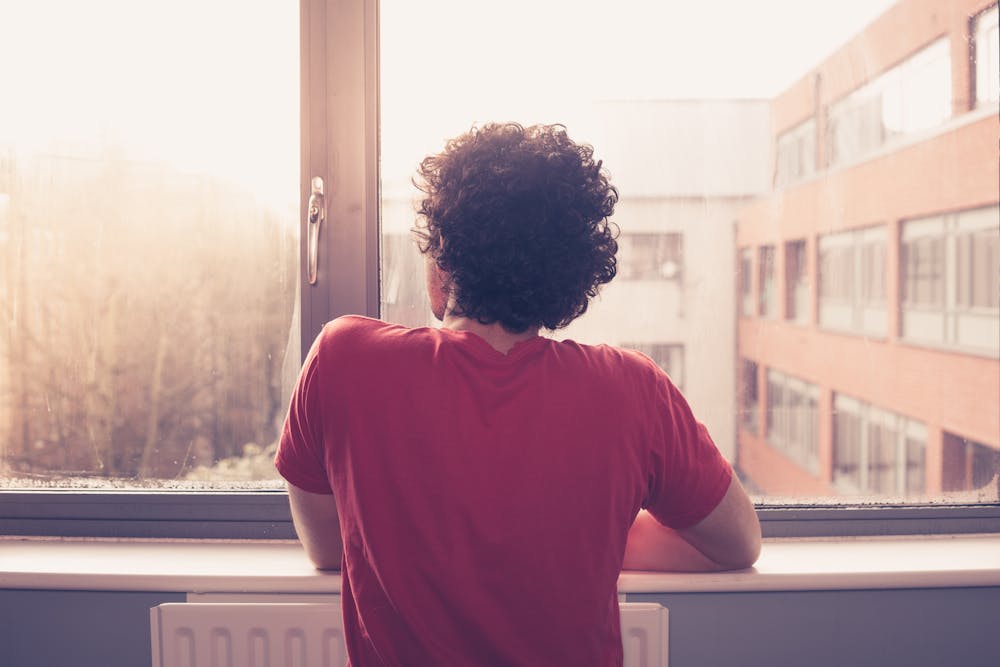 Remind yourself the current restrictions won’t last forever.
Shutterstock
Remind yourself the current restrictions won’t last forever.
Shutterstock
Nuance is hard
I am sympathetic to people who feel disadvantaged by rules that lack the nuance to account for their social needs.
But blanket guidelines are probably the most direct way to get the key clear messages across about what we can do to prevent further spread of COVID-19. Nobody wants lockdown to be toughened further or extended longer.
It’s a real challenge for the government to manage a society made up of different types of communities with varying social needs and expectations. And clearly there isn’t a one-size-fits all guideline that can account for society’s diversity. Allowing many nuanced conditions makes it harder to manage and can also introduce confusion. And it is important to promote a sense of community during this public health crisis, as people who feel socially excluded are less likely to be cooperative.
The top priority is managing this public health crisis and stopping the spread of COVID-19. Social health is extremely important but it can be managed even while social restrictions are in place.
I think if people are feeling a bit lonely, even if they are bunkering down with a housemate or a partner but missing their friends, it’s important to know it’s OK to feel that way.
But humans are astonishingly flexible and resilient through times of crisis. We can find creative ways to connect with people while still reducing the immediate risk.
Read more: 1 in 3 young adults is lonely – and it affects their mental health
Authors: Michelle H Lim, Senior Lecturer and Clinical Psychologist, Swinburne University of Technology


















