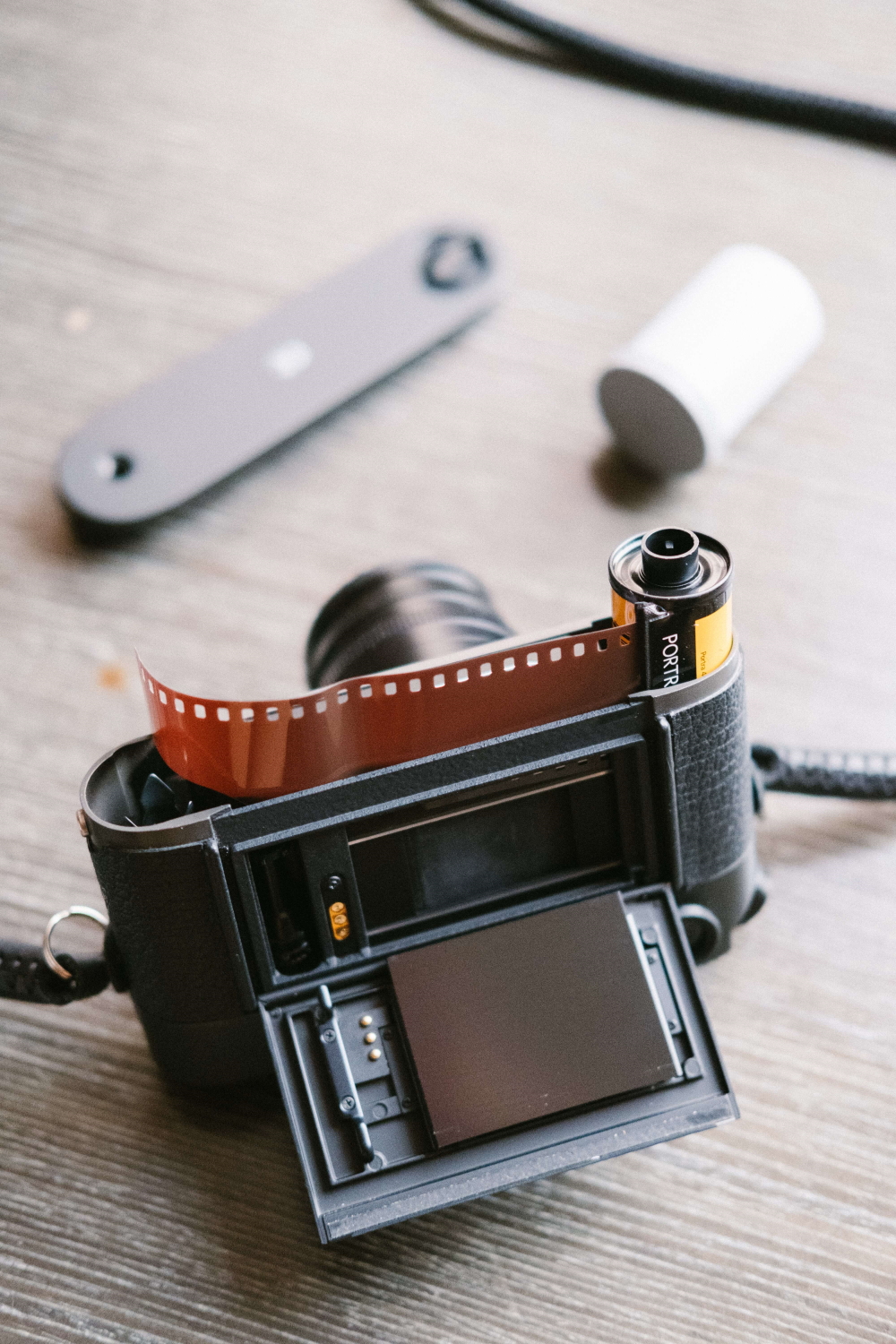
Hello, nostalgia: 5 reasons to start using film cameras again
- Written by: Ted’s Cameras
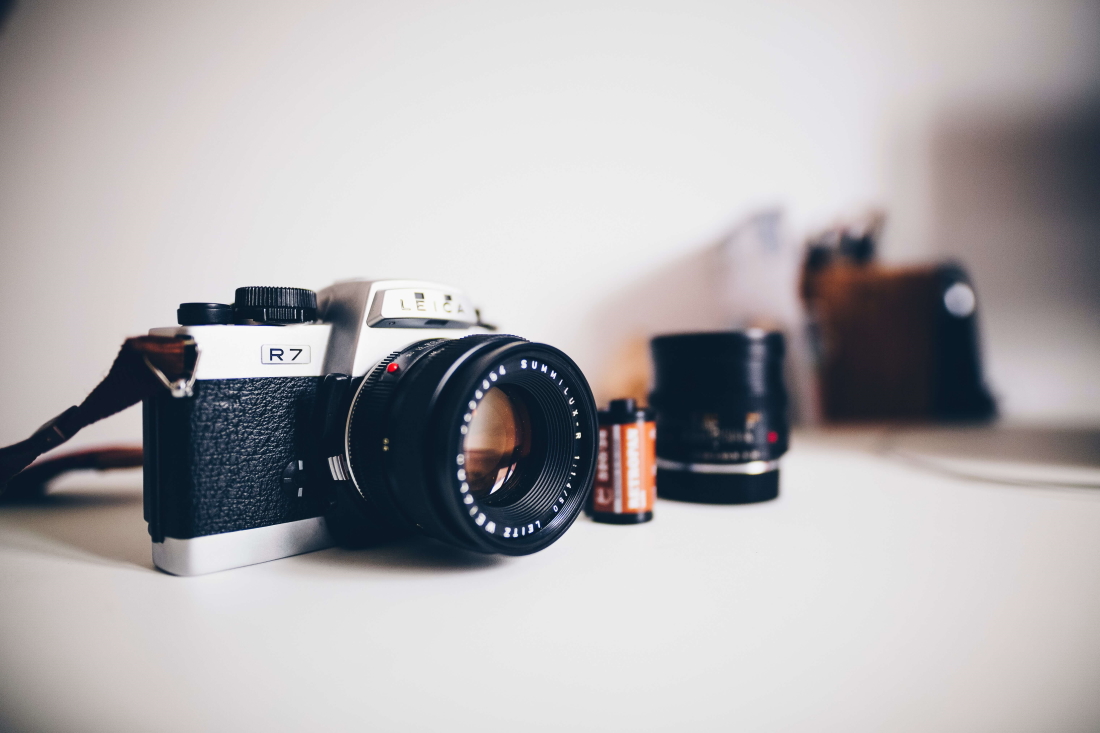
While digital cameras have become increasingly advanced over the past few years, film photography is far from dead. Today, hobbyists and professional photographers alike are dusting off their old film cameras and taking a trip down memory lane as they relive the good old days of analogue photography. Along the way, many photographers are discovering that film cameras can actually help them become a better photographer.
To explain how film cameras can help you improve your photography skills, we’ve teamed up with the photography experts at Ted’s Cameras. Read on to discover 5 reasons to try film photography.
1. You’ll consider every single shot carefully
Modern digital cameras are all about speed. They’re equipped with lightning-fast AF systems and burst shooting rates, which are great for capturing sports and other types of live action events. They also hold thousands of photos on their memory cards, meaning it’s easy to click away without worrying about storage space. Together, all these things allow us to snap dozens of photos of the same subject in the same scene “just in case”.
On the other hand, a standard roll of film only gives you 24 or 36 shots to work with. Because each shot on your roll of camera film is precious, shooting with a film camera can make you a more thoughtful photographer. Instead of taking a bunch of shots and culling them down during the editing process, you’ll learn how to make decisions about film photography basics like framing and composition on the spot. The result? More carefully considered images that are sure to shine.
2. You’ll make the most of your viewfinder
While many digital cameras have a viewfinder, let’s be honest: Using the LCD screen to frame your shots is way too tempting. Though there’s technically nothing wrong with doing this, it can dull your photo composition skills over time.
Because most film cameras only have a viewfinder and no LCD screen, they force you to focus only on the image in your frame. Without distractions, you might come across a tiny detail that could make your photo, or have a chance to experiment with new techniques and composition.
Plus, film cameras force you to be more present during your shoot. When you use a digital camera, you probably review your photos through the LCD screen throughout your shoot - we certainly do! Some photographers do this obsessively, and risk missing candid images. When shooting with film, you can’t do this - all you can do is focus on the future, and work on taking the next great shot.
3. You’ll be encouraged to stick to your photography projects
Before you load a roll of film into your camera, you’ll need to make a few vital decisions. Do you want to shoot in colour or black and white? Which ISO or shutter speed are you looking for? Unlike digital photography, where you can change these settings while shooting or in post-production, once you’ve decided on your settings you need to stick with them until your camera film runs out.
Far from being a limitation of film photography, this is actually a bonus. Point and shoot film cameras are the perfect opportunity to experiment with different techniques and settings that you might not otherwise use. Let’s say, for example, that you normally shoot in colour but decide to try black and white street photography. Rather than switching back to colour after just a few shots, you’ll have to finish the whole roll first. Come camera film developing time, you may be pleasantly surprised by the results!
4. You’ll boost your basic photography skills
Photography is an art form, and a good photographer is one who is constantly honing their craft. Having said this, most digital photographers spend a lot of time in post-production, where you can fix any mistakes you may have made during the shooting process. Naturally, this reduces the incentive for most people to constantly develop their photography skills. Shooting with film, on the other hand, isn’t as forgiving. You’ll quickly learn how to get it right the first time around, and that’s an incredibly valuable skill.
These are a few other skills you’ll naturally improve by shooting with film:
-
Exposure - If you underexpose your film and try to enhance it digitally, you may end up with grainy, noisy photos. If you overexpose it, you’ll have to deal with highlights. Trust us when we say you’ll be motivated to master the exposure triangle after a few rolls of film like this! As with any art form, lessons learned from experience are often the most valuable.
-
Lighting - With film, you can’t easily recover bright and dark spots in post-processing. You’ll need to experiment with lighting, choose your lighting sources, and position your subject before you click the shutter.
-
Composition - Film teaches you how to compose your photos with precision. You’ll learn how to survey a scene from a range of angles, and how to frame your subject for the most effective or emotional result.
All of these skills can be applied to your digital photography, and you’ll never appreciate the controls on your camera more! By figuring out how to nail your images the first time, you’ll save a lot of time during shoots and the editing stage.
5. You’ll learn to love the waiting game
Digital photography offers instant gratification, and we love it for that. We can shoot, review, and transfer images on a whim, and publish them shortly afterwards. Meanwhile, film photography is nostalgic, and it takes us back to a time when photography wasn’t so simple. You can’t flick through your photos on the spot, and you typically need to drop off your film at a lab and wait up to a week to see the results.
While this waiting game can be frustrating, you’ll soon learn to love it. Why? Because that roll of film will probably be full of surprises. You may discover photos where the light did something unexpected and created a masterpiece, or where your subject’s expression made their portrait extraordinary. You might even find photographs in the stack that you don’t remember taking. It’s these surprises that make shooting with film cameras so worthwhile.
Still curious about film photography?
We love digital photography as much as the next person, but there’s something undeniably charming about picking up a film camera. In addition to the delight of stepping back in time and reliving a bygone era, film photography can actually help you become a better photographer and increase your love of photography.
Ready to give it a shot? Head to Ted’s Cameras to shop the best film cameras or visit their blog for more film photography tips today!