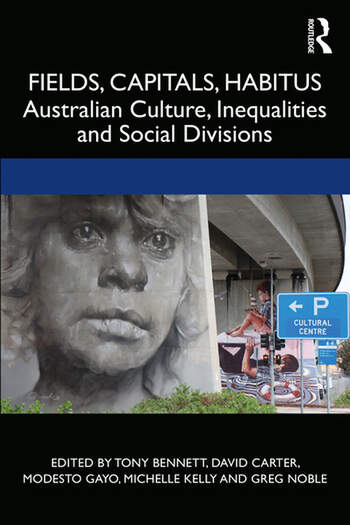
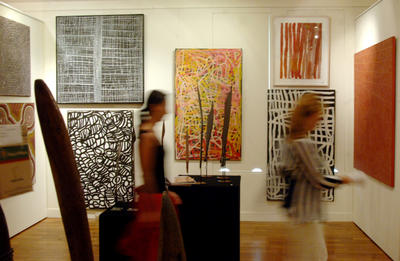
Australians' favourites show Aboriginal art can transcend social divisions and art boundaries
- Written by Tony Bennett, Research Professor in Social and Cultural Theory, Institute for Culture and Society, Western Sydney University
New analysis shows landscape art is the most popular visual art genre among Australians, with Aboriginal art coming in second place, followed by portraits and modern art.
But Aboriginal art is more likely to bridge social divides and can dissolve personal prejudices between different kinds of art.
Many Australians are sharply divided as to whether they prefer more traditional genres like landscapes or more contemporary and abstract visual forms. And these divisions relate to differences in age, class and education. But Aboriginal art bucks this trend because it is seen as “telling a story”.
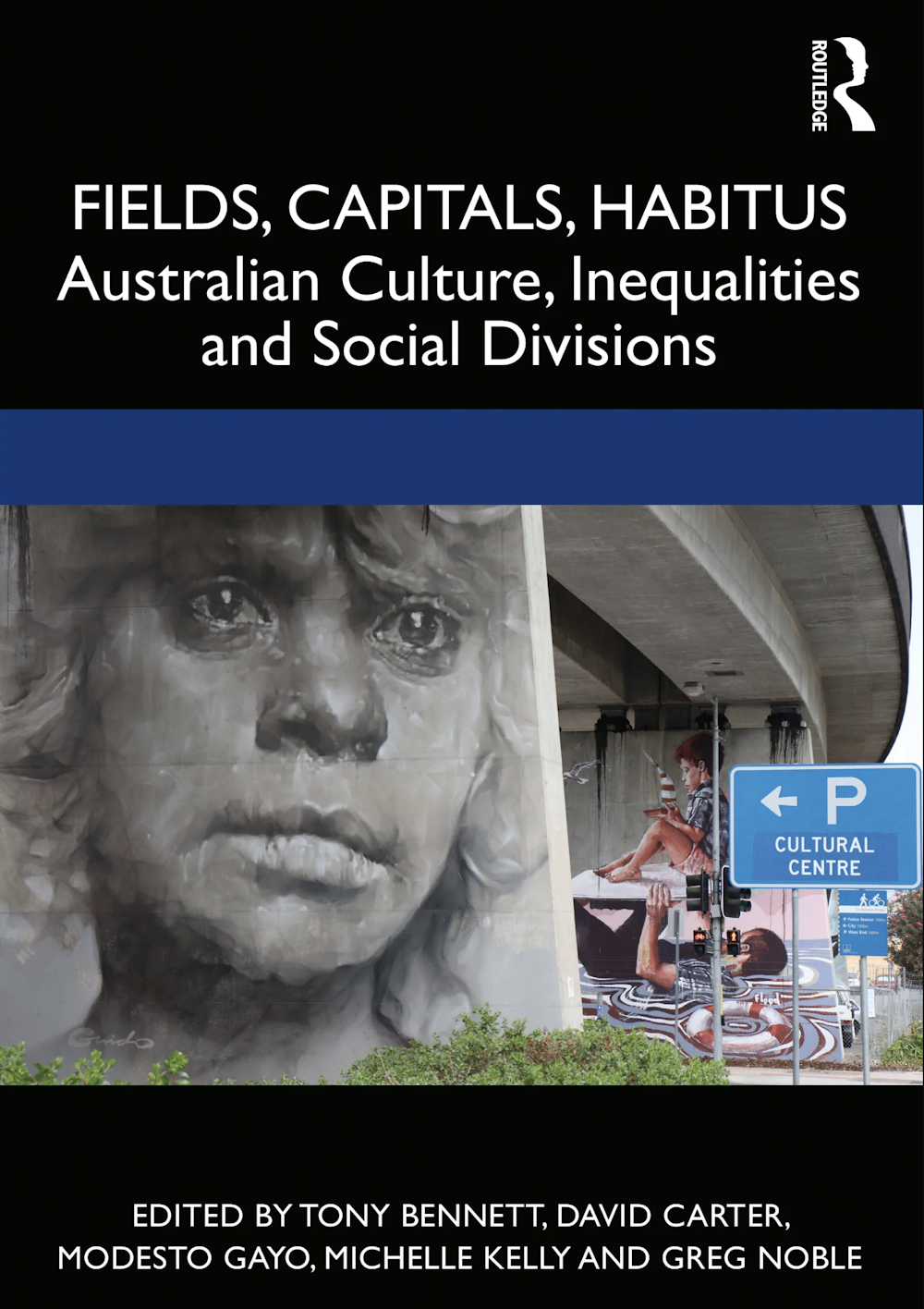
The research is discussed in a new book called Fields, Capitals, Habitus: Australian Culture, Social Divisions and Inequalities.
We know what (and who) we like
Researchers conducted a national survey of Australians’ cultural tastes, administering surveys to 1,202 Australians. Extra samples to ensure representation of Aboriginal and Torres Strait Islanders, Italian, Lebanese, Chinese, and Indian Australians, brought the overall survey total to 1,461.
Researchers subsequently partnered with the ABC to conduct online surveys on cultural tastes that were compared with research findings.
 Routledge
Aboriginal art was the second most popular genre, liked by 26% of the main sample, behind landscapes (52%) but ahead of portraits (24%) and modern art (17%).
Impressionism and Renaissance art came in at around 15% each, while abstract art, colonial art, Pop art and still lifes ranged, in order, from 13% down to 7%.
Survey respondents were given a selection of artists and asked to say whether they had heard of and liked them. Indigenous landscape painter Albert Namatjira was the third most familiar but, at 63%, he was only narrowly pipped by painter Sidney Nolan (67%) and the colourful Ken Done (68%). Indigenous multi-media artist Tracey Moffatt was less well known (14%). But Namatjira was the most popular of all, liked by 49% ahead of both Nolan (42%) and Done (40%).
Unsurprisingly, Aboriginal and Torres Strait Islanders were much more enthusiastic about Aboriginal art (67%) and Namatjira (liked by 70%) than the main sample, but not notably so for Moffatt. Indian and Lebanese Australians also showed a marked liking for Aboriginal art at 38% and 36% respectively.
Read more:
Dramatic and engaging, new exhibition Linear celebrates the art in Indigenous science
Aboriginal art had a broader cross-class appeal than most genres. It did, however, appeal more strongly to those in intermediate (such self-employed and clerical workers) and professional and managerial occupational classes than to those in skilled or unskilled working-class occupations.
Namatjira was most popular with the older members of Australia’s intermediate classes. Moffatt, by contrast, appealed most to the younger, tertiary educated Australians in professional and managerial occupations.
There were clear correlations between these preferences for particular Indigenous artists and genre tastes. Those who liked Namatjira preferred traditional and largely figurative genres – landscapes, still lifes, and portraits. Those who liked Moffatt favoured genres tending towards abstraction or critical engagements with figurative conventions – modern art, Pop art and abstract art.
Routledge
Aboriginal art was the second most popular genre, liked by 26% of the main sample, behind landscapes (52%) but ahead of portraits (24%) and modern art (17%).
Impressionism and Renaissance art came in at around 15% each, while abstract art, colonial art, Pop art and still lifes ranged, in order, from 13% down to 7%.
Survey respondents were given a selection of artists and asked to say whether they had heard of and liked them. Indigenous landscape painter Albert Namatjira was the third most familiar but, at 63%, he was only narrowly pipped by painter Sidney Nolan (67%) and the colourful Ken Done (68%). Indigenous multi-media artist Tracey Moffatt was less well known (14%). But Namatjira was the most popular of all, liked by 49% ahead of both Nolan (42%) and Done (40%).
Unsurprisingly, Aboriginal and Torres Strait Islanders were much more enthusiastic about Aboriginal art (67%) and Namatjira (liked by 70%) than the main sample, but not notably so for Moffatt. Indian and Lebanese Australians also showed a marked liking for Aboriginal art at 38% and 36% respectively.
Read more:
Dramatic and engaging, new exhibition Linear celebrates the art in Indigenous science
Aboriginal art had a broader cross-class appeal than most genres. It did, however, appeal more strongly to those in intermediate (such self-employed and clerical workers) and professional and managerial occupational classes than to those in skilled or unskilled working-class occupations.
Namatjira was most popular with the older members of Australia’s intermediate classes. Moffatt, by contrast, appealed most to the younger, tertiary educated Australians in professional and managerial occupations.
There were clear correlations between these preferences for particular Indigenous artists and genre tastes. Those who liked Namatjira preferred traditional and largely figurative genres – landscapes, still lifes, and portraits. Those who liked Moffatt favoured genres tending towards abstraction or critical engagements with figurative conventions – modern art, Pop art and abstract art.
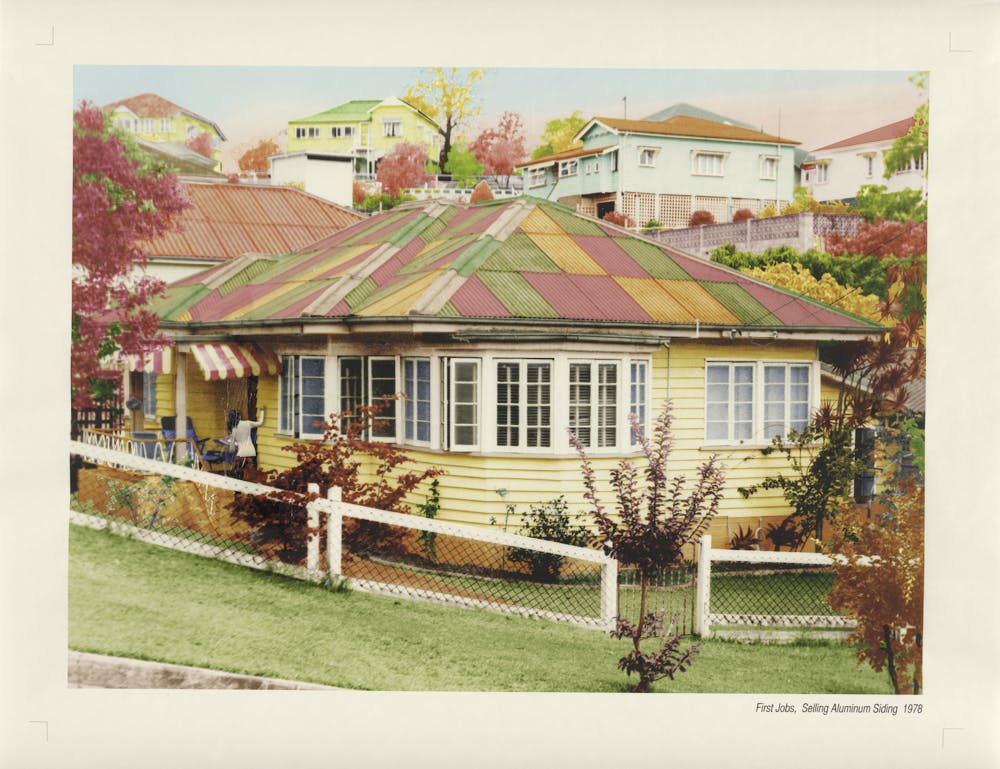 Selling Aluminium Siding 1978 (2008) – a work by Tracey Moffatt in her First Jobs series.
NGA
The great divide … and a bridge
A key finding of the research was how much those who liked traditional and figurative genres disliked contemporary and abstract genres. The reverse was even more true: those who liked contemporary and abstract art often had a strong aversion to traditional and figurative art.
Yet the category of Aboriginal art often crossed the boundaries between these two groups of genres.
This is not entirely surprising. Aboriginal art has expanded beyond its traditional forms to include acrylic dot art, contemporary urban Aboriginal art practices, rock art, or the kitsch forms of “Aboriginalia” like that collected by Tony Albert.
Tony Albert says “Aboriginalia” changes dramatically with context.But what is surprising is how frequently, when discussing their art tastes in follow-up interviews, our survey respondents treated Aboriginal art as an exceptional art form.
While most viewed it as a form of abstraction, it was seen as a purposeful abstraction with a story to tell, crossing the boundaries between the abstract and the figurative.
Read more:
Mavis Ngallametta review - a bittersweet collection of a songwoman's stories of home
It was on these grounds that Aboriginal art was let off the hook by those who usually disliked non-figurative art. This was pithily summarised by one respondent who, dismissing modern and abstract art as “equivalent to what my daughters would do in kindergarten”, praised the “uniqueness of Aboriginal art and the dots” because “there’s stories behind it – there is the story they are trying to tell”.
Selling Aluminium Siding 1978 (2008) – a work by Tracey Moffatt in her First Jobs series.
NGA
The great divide … and a bridge
A key finding of the research was how much those who liked traditional and figurative genres disliked contemporary and abstract genres. The reverse was even more true: those who liked contemporary and abstract art often had a strong aversion to traditional and figurative art.
Yet the category of Aboriginal art often crossed the boundaries between these two groups of genres.
This is not entirely surprising. Aboriginal art has expanded beyond its traditional forms to include acrylic dot art, contemporary urban Aboriginal art practices, rock art, or the kitsch forms of “Aboriginalia” like that collected by Tony Albert.
Tony Albert says “Aboriginalia” changes dramatically with context.But what is surprising is how frequently, when discussing their art tastes in follow-up interviews, our survey respondents treated Aboriginal art as an exceptional art form.
While most viewed it as a form of abstraction, it was seen as a purposeful abstraction with a story to tell, crossing the boundaries between the abstract and the figurative.
Read more:
Mavis Ngallametta review - a bittersweet collection of a songwoman's stories of home
It was on these grounds that Aboriginal art was let off the hook by those who usually disliked non-figurative art. This was pithily summarised by one respondent who, dismissing modern and abstract art as “equivalent to what my daughters would do in kindergarten”, praised the “uniqueness of Aboriginal art and the dots” because “there’s stories behind it – there is the story they are trying to tell”.
 A preference for Indigenous art and artists crossed class divides, with some caveats.
AAP/Mick Tsikas
This was a recurring theme in appreciations of Namatjira. In a follow up interview, one survey respondent – a professional in a high-level executive role – liked Namatjira’s work for not being “too abstract” in its depiction of “the beauty of the bush and the country”.
For another, a part-time accountant and labourer, Namatjira served as a counter to his dislike of modern and abstract art because his paintings are “real … they just feel like he’s telling a story in his pictures and they’re real”.
And a third, a woman in her 30s from a Sri Lankan background, expressed her appreciation of Namatjira and Moffatt in similar terms. She loved “Tracey’s storytelling” with its “strong style and voice”, emphasising its appeal to both Indigenous and non-Indigenous women, while singling out the “cultural connections” that Namatjira’s work makes.
While, then, different kinds of Aboriginal art appeal to different publics, the category of Aboriginal art is one that recruits a broader interest. We got a strong sense that it is something that non-Indigenous Australians felt they ought to like and know more about because of what it has to say about Indigenous culture, its relations to Country, and its significance for Australian culture and identity.
This registers a significant shift from the terms in which Namatjira was initially appreciated, in the 1950s, as an imitative adaptation of pastoral modernism.
It is a shift that registers the work of Indigenous artists, curators and critics in stressing the role that Aboriginal art can play in transforming the relations between Indigenous and non-Indigenous Australians.
Read more:
Friday essay: the politics of dancing and thinking about cultural values beyond dollars
A preference for Indigenous art and artists crossed class divides, with some caveats.
AAP/Mick Tsikas
This was a recurring theme in appreciations of Namatjira. In a follow up interview, one survey respondent – a professional in a high-level executive role – liked Namatjira’s work for not being “too abstract” in its depiction of “the beauty of the bush and the country”.
For another, a part-time accountant and labourer, Namatjira served as a counter to his dislike of modern and abstract art because his paintings are “real … they just feel like he’s telling a story in his pictures and they’re real”.
And a third, a woman in her 30s from a Sri Lankan background, expressed her appreciation of Namatjira and Moffatt in similar terms. She loved “Tracey’s storytelling” with its “strong style and voice”, emphasising its appeal to both Indigenous and non-Indigenous women, while singling out the “cultural connections” that Namatjira’s work makes.
While, then, different kinds of Aboriginal art appeal to different publics, the category of Aboriginal art is one that recruits a broader interest. We got a strong sense that it is something that non-Indigenous Australians felt they ought to like and know more about because of what it has to say about Indigenous culture, its relations to Country, and its significance for Australian culture and identity.
This registers a significant shift from the terms in which Namatjira was initially appreciated, in the 1950s, as an imitative adaptation of pastoral modernism.
It is a shift that registers the work of Indigenous artists, curators and critics in stressing the role that Aboriginal art can play in transforming the relations between Indigenous and non-Indigenous Australians.
Read more:
Friday essay: the politics of dancing and thinking about cultural values beyond dollars
Authors: Tony Bennett, Research Professor in Social and Cultural Theory, Institute for Culture and Society, Western Sydney University