

Most New Zealanders don't know how deadly strokes are – claiming 2,300 lives a year and rising
- Written by Rita Krishnamurthi, Associate Professor (cerebrovascular epidemiology), Auckland University of Technology
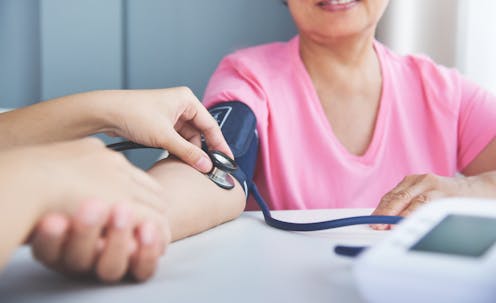
Stroke is the third highest cause of death in New Zealand, after cancer and coronary heart disease. But our new research shows very few people are aware of the risk, particularly in Pasifika communities – despite being much more likely to have an early stroke.
Each year, about 9,000 New Zealanders have a stroke and according to the latest data, 2,322 died of stroke in 2016. Just over half of the people who survive a stroke live with ongoing health impacts.
Our study, based on a random national sample of 400 people, shows only 1.5% identified stroke as a common cause of death. In contrast, 37% identified heart disease and 33% identified cancer as common causes of death.
Our research is unique in that it recruited a group of participants who represent New Zealand’s ethnic groups. It shows people from Pasifika communities have the lowest stroke awareness, despite being at higher risk than the general population.
Recognising stroke symptoms and risk factors
The research also shows around 43% of people surveyed did not believe they could tell if a person was having a stroke.
The most common symptoms of stroke are:
the sudden onset of face drooping on one side
arm weakness, especially if one-sided
speech difficulty
complete or partial loss of vision on one side
swallowing difficulties
acute confusion or memory loss
unusually severe, abrupt headaches.
While the majority responded correctly to stroke symptoms, a large proportion (45-70%) also responded “yes” to unrelated symptoms, such as chest pain.
How to recognise that someone is having a stroke.Read more: Coronavirus may be increasing risk of stroke – doctors on the frontline witness new pattern
Awareness of stroke risk factors was also low. There is clear evidence that stroke is highly preventable. Ten potentially modifiable risk factors are associated with around 90% of strokes.
Risk factors include high blood pressure, diabetes, smoking, low levels of physical activity, and a diet low in fresh fruits and vegetables. Without any prompting, only 30% of people identified two or more risk factors for stroke.
People identifying as Pasifika or Māori recognised fewer stroke symptoms compared to European New Zealanders, and Pasifika people were 58% less likely to correctly identify risk factors. This is an important finding because our earlier research highlights that age-standardised rates of stroke are 30-60% higher for Pasifika and Māori, with an onset 15 years earlier compared to European New Zealanders.
A Pasifika person in New Zealand is twice as likely to die of a stroke as a European New Zealander. That disproportionately high stroke risk, combined with lower awareness about strokes and their warning signs, means New Zealand needs to develop more language and culturally specific education material, as well as better methods of delivery.
Stroke rates in younger people on the rise
In our study, higher incomes and education were both associated with better stroke awareness, and this is similar to findings in other developed countries such as Spain. People in middle-income households were twice as likely to correctly identify stroke risk factors as those on low incomes.
People for whom English is a second language, or who don’t speak it at all, are further disadvantaged. If we want to improve stroke prevention, we need to develop better communication strategies to address language gaps in understanding that stroke is avoidable.
Globally and in New Zealand, the number of people having strokes and dying from them is increasing because people are living longer and are more exposed to risk factors, including more sedentary lifestyles.
For the first time, over the past decade we’ve started to see an increase in the rate of younger people having strokes. This is of concern. It means more people are living longer with disabilities caused by a stroke and experience growing health and financial stress themselves as well as in their families.
Given that stroke is highly preventable, we call for better access to population-wide strategies, available to people at all levels of risk of stroke. Existing strategies are mostly aimed at people at moderate to high risk of cardiovascular diseases, including stroke.
This so-called “high-risk” strategy leaves out most people at risk, while those in the high-risk categories often lack the knowledge and motivation to address their individual lifestyle risks.
Read more: New blood pressure guidelines may make millions anxious that they're at risk of heart disease
Preventing strokes will cut the risk of other deadly diseases
Population-wide strategies aimed at stroke prevention would also help prevent other major non-communicable diseases with similar risk factors, including coronary heart disease, many types of cancers and even some types of dementia.
The free Stroke Riskometer app can assess an individual’s risk of stroke, inform them about their personal risk factors and provide information about symptoms. Free blood pressure checks provided by the New Zealand Stroke Foundation throughout the country help raise awareness of the most important modifiable risk factors for stroke.
The economic cost of stroke is enormous, with an estimate of NZ$1.1 billion for 2020, increasing to NZ$1.7 billion by 2038.
The high health, social and economic burden of stroke on New Zealand – and its disproportionate impact on Māori and Pasifika communities – needs to be addressed urgently. The lower level of awareness in these groups highlights we need to deliver information that is tailored and delivered by culturally competent community workers.
We also need to complement these steps with improved access to affordable healthy foods, preventative primary healthcare, and support at individual and community levels to improve health and lifestyle.
Authors: Rita Krishnamurthi, Associate Professor (cerebrovascular epidemiology), Auckland University of Technology

















