

Urban golf courses are biodiversity oases. Opening them up puts that at risk
- Written by: Nicholas Williams, Associate Professor in Urban Ecology and Urban Horticulture, University of Melbourne
High demand for green space under COVID restrictions led councils in Melbourne to temporarily open golf courses to non-golfers and fuelled public calls to “unlock” or repurpose them permanently. However, this must be done carefully because many golf courses are oases of biodiversity in Australian cities. If more people visit golf courses, increased disturbance of wildlife is just one of the results that may be incompatible with their nature conservation values.
Read more: Our cities are full of parks, so why are we looking to golf courses for more open space?
Between 2011 and 2014 we studied the biodiversity of green spaces throughout Melbourne’s south-eastern suburbs. We compared golf courses to nearby public parks and residential areas as these are the land uses that most commonly replace golf courses when they close.
The results surprised us. Golf courses contained the greatest diversity and abundance of beetles, bees, birds and bats of all the green spaces we studied. We found ground-nesting native bees that do not occur in much of the urban landscape because it is dominated by built surfaces and exotic flowering plants.
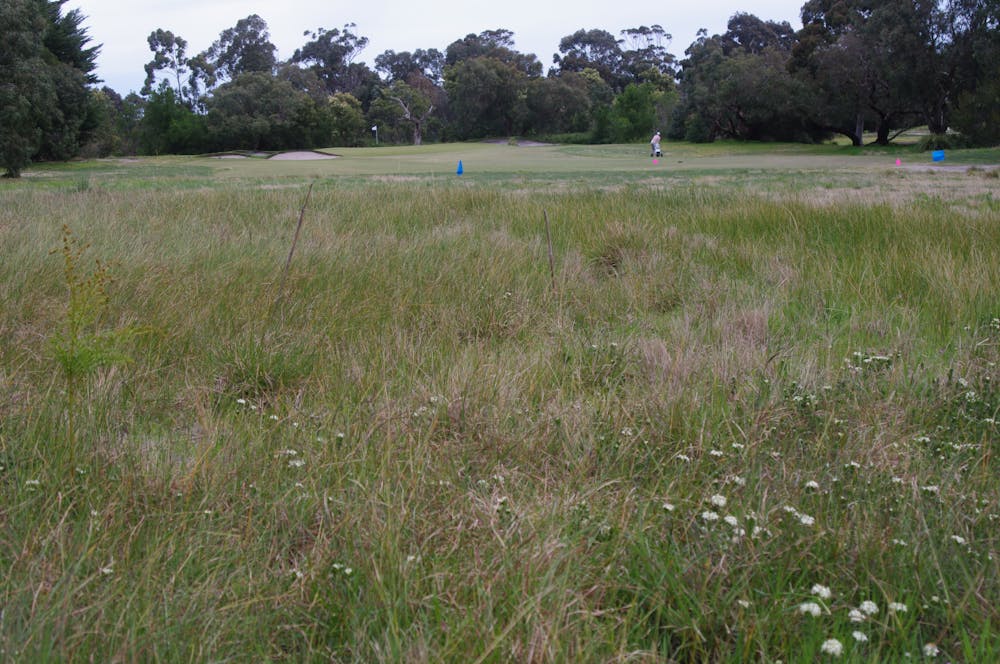 Golf courses have higher biodiversity than other green spaces in our cities.
Nicholas Williams, Author provided
Golf courses have higher biodiversity than other green spaces in our cities.
Nicholas Williams, Author provided
The minimum number of bird species we saw on a golf course was always higher than the maximum numbers at other green spaces. We found much more evidence of birds breeding. There was also a diverse array of insect-eating birds, which are in decline in many parts of Australia.
Some golf courses supported all ten bat species known to occur in this part of metropolitan Melbourne. Bat activity was ten times greater than in nearby areas of housing. Golf courses also supported twice as many bat species considered “sensitive” to urbanisation.
Read more: The 39 endangered species in Melbourne, Sydney, Adelaide and other Australian cities
Why is biodiversity greater on golf courses?
There are many reasons golf courses support far more than the typical “urban-adapted” fauna we see in our cities. A key factor is the complex vegetation structure in the large parts of golf courses where you don’t want to hit your golf ball – the “rough” and “out of bounds” areas.
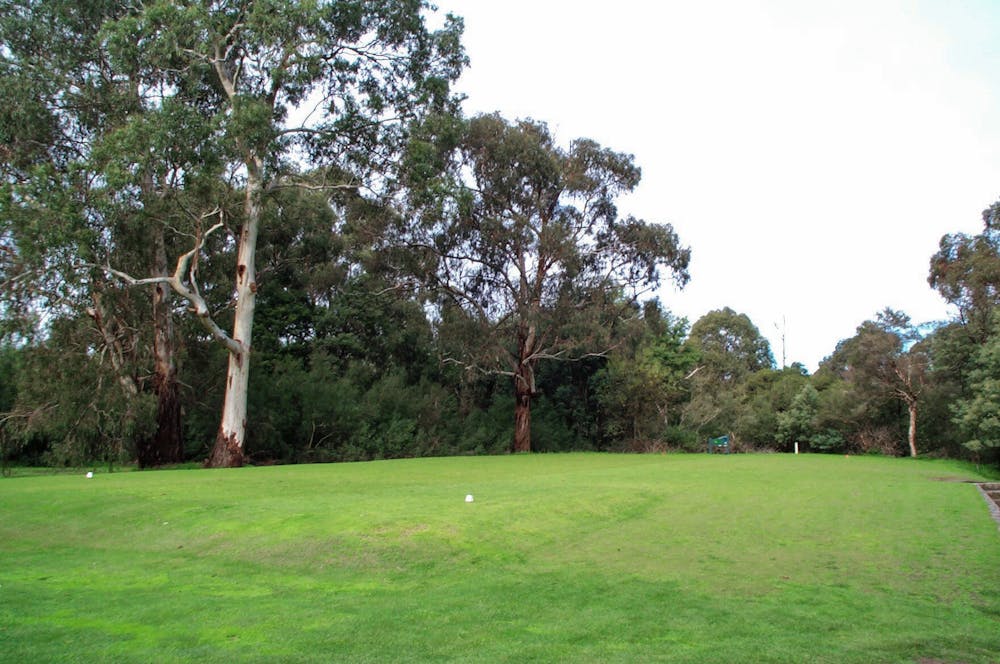 Golfers fear the rough, but local wildlife loves the densely vegetated areas near Dandenong Creek at Glen Waverley Golf Course.
Nicholas Williams, Author provided
Golfers fear the rough, but local wildlife loves the densely vegetated areas near Dandenong Creek at Glen Waverley Golf Course.
Nicholas Williams, Author provided
These areas of long grass and dense, often native, shrubs have little to no human intervention. These conditions are rarely found in urban parks and residential gardens, which typically have highly managed vegetation. The relatively high proportion of native plant species, many indigenous to the area, is also very important.
This complex vegetation is critical habitat for a wide array of animals such as small insect-eating birds, larger reptiles and ground-dwelling mammals. For example, occurrence records show Northcote Golf Course is an important refuge for the small population of swamp wallabies living along Merri Creek in Melbourne’s inner north.
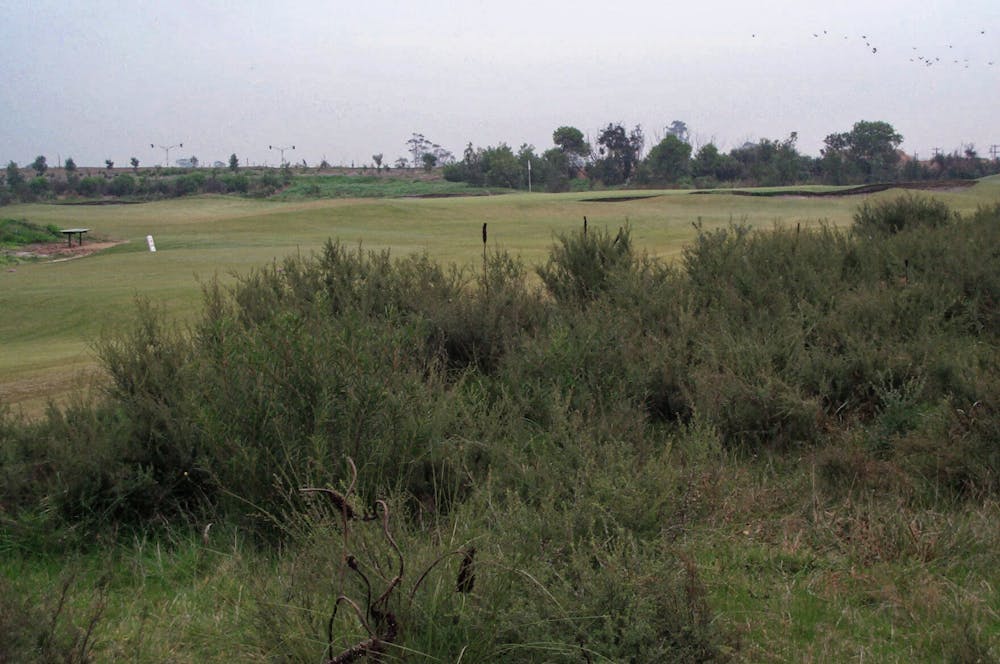 Areas of heathland are rare in cities, but heathland species have a refuge at Spring Valley Golf Course.
Nicholas Williams, Author provided
Areas of heathland are rare in cities, but heathland species have a refuge at Spring Valley Golf Course.
Nicholas Williams, Author provided
Greater leaf litter accumulation and lower soil compaction mean these areas have healthier soils with more biological activity. These soils can also absorb stormwater more effectively, reducing the risk of urban flooding.
Another reason is that golf courses have many more large, old native trees. These mature trees are critical to the breeding success of hundreds of Australia’s animal species as they contain hollows, which are rare in urban areas. Because golf courses often prevent other uses, old trees can be left standing longer than is tolerated in other parts of the city.
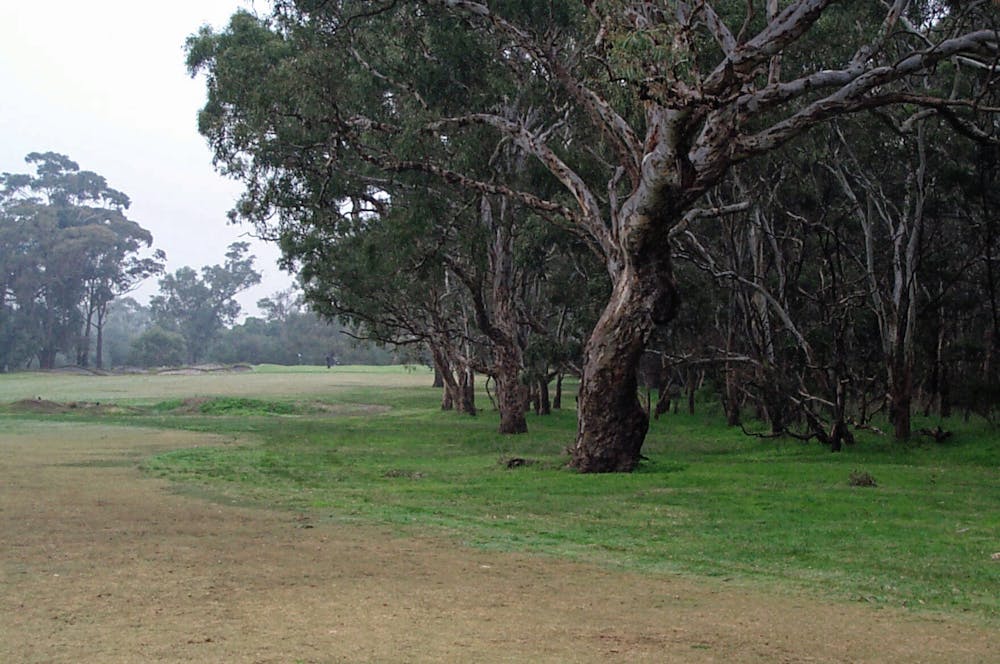 Mature native trees provide critical habitat, including nesting hollows, for many species.
Nicholas Williams, Author provided
Mature native trees provide critical habitat, including nesting hollows, for many species.
Nicholas Williams, Author provided
Another important factor is the exclusion of dogs and ability to control foxes and cats, which protects vulnerable fauna.
Golf courses also provide a large expanse of dark vegetated habitat in an otherwise illuminated landscape. This habitat is critical for nocturnal animals such as bats, as well as many birds and invertebrates. Artificial light at night is emerging as one of the most pervasive threats to urban wildlife.
Large refuges of dark habitat in cities are unique and ought to be protected. However, this may be at odds with increased human activity, particularly if night lighting is needed to satisfy safety concerns.
Read more: Getting smarter about city lights is good for us and nature too
Shared use is possible but must be managed
We are not suggesting golf courses should not be made more accessible to the public. The COVID-19 restrictions on human movement have highlighted the value of urban green spaces as places to exercise, socialise and connect with nature. But if city golf courses are opened to the public, it is vital it not be done at the expense of their biodiversity.
Indeed, shared-use models may ensure golf courses remain viable in Australian cities. Recognition of their biodiversity, cooling and social benefits via mechanisms such as council rate rebates could help ease the financial pressures of decreasing membership.
The potential for golf course managers to improve the habitat that sustains biodiversity is also great. Ways to achieve this include tree planting, direct seeding of native grasses and wildflowers, and regeneration burns. Many course managers are eager to do this, although they have to proceed cautiously because it can affect the speed of play.
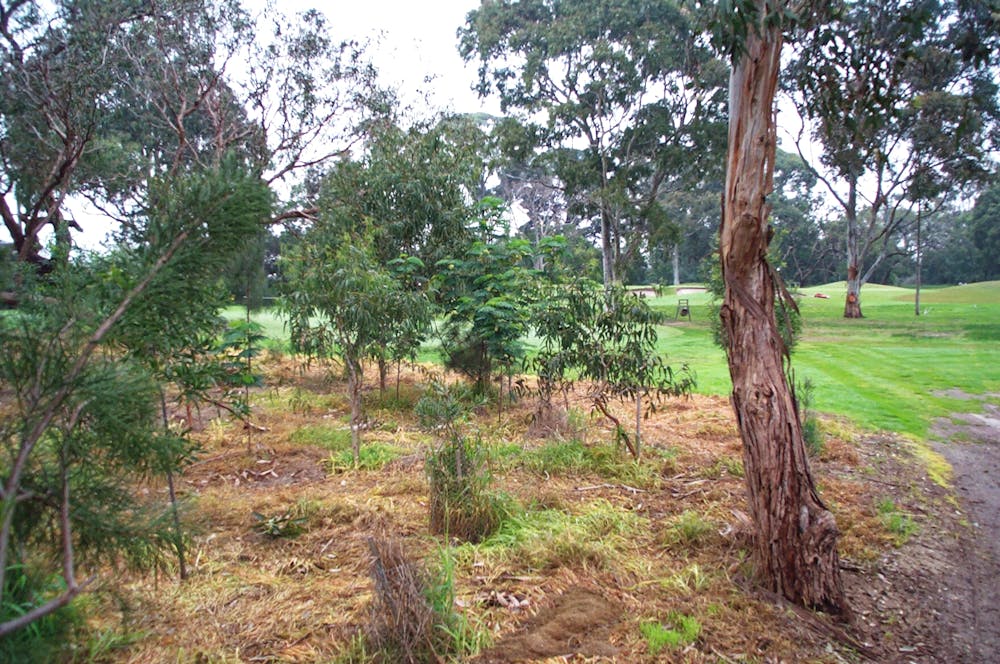 Revegetation projects like this one at Woodlands Golf Club add even more value for wildlife.
Nicholas Williams, Author provided
Revegetation projects like this one at Woodlands Golf Club add even more value for wildlife.
Nicholas Williams, Author provided
Australian cities have some of the highest population growth rates in the developed world. This growth is putting pressure on our biodiversity, decreasing human liveability and increasing conflict about the use of increasingly crowded green spaces.
Some urban golf courses support threatened species and communities, but all are biodiversity refuges in what can be a hostile urban landscape. We need to consider this when contemplating alternative uses.
Authors: Nicholas Williams, Associate Professor in Urban Ecology and Urban Horticulture, University of Melbourne


















