

Planning a road trip in a pandemic? 11 tips for before you leave, on the road and when you arrive
- Written by: Thea van de Mortel, Professor, Nursing and Deputy Head (Learning & Teaching), School of Nursing and Midwifery, Griffith University
As restrictions ease around the country and the prospect of travel beckons, many of us will be planning road trips for the holiday season.
To ensure your trip is memorable in the best rather than the worst way, here are some things you and your fellow travellers can do to reduce the risk of becoming infected with, or spreading, COVID on your trip.
Before you go
1. Check for any travel or other COVID-specific restrictions or rules in the areas you will be travelling through or to, before you go. These can change rapidly and may include restrictions on how far you can travel, how many people per square metre are allowed in public spaces, and whether you need border passes or to wear a mask. Each state or territory has its own health department or government COVID website you can check.
2. Don’t take COVID with you. If anyone in your group has COVID-like symptoms, however mild, it is important to be tested and cleared for COVID before leaving. Common symptoms may include fever or chills, muscle aches, sore throat, cough, runny nose, difficulty breathing, new loss of taste or smell, and vomiting or diarrhoea.
3. Pack masks, disinfectant wipes and hand sanitiser. The two most likely ways of catching COVID are inhaling viral particles an infected person sheds when they cough, sneeze, laugh, talk or breathe; and ingesting particles by touching contaminated objects and then touching your face or food. Masks (and social distancing) can help reduce the former risk, while avoiding touching your face, frequent hand hygiene and cleaning surfaces can reduce the latter. So pack masks, wipes and hand sanitiser. Hand sanitiser should contain at least 60% alcohol.
4. Pack your own pillows and linen. We know people infected with SARS-CoV-2, the virus that causes COVID, can shed virus onto linen and pillows (and other surfaces), even when asymptomatic. We also know respiratory viruses can penetrate pillow covers and get into the microfibre stuffing. So you might want to consider bringing your own pillows and linen.
On your trip
5. Use disinfectant wipes to clean high-touch surfaces in your hire car. These would include door and window handles or buttons, light switches, seat adjuster controls, radio controls, the steering wheel, glove box button, gear/drive and handbrake levers, rear-view mirrors and mirror controls.
6. How about singing in the car? The more vigorous the activity, the greater the opportunity to release droplets and aerosols and the further these will travel. So, laughing and singing will release more of these than talking, and talking will release more than breathing. However, if you are travelling in a family group, or with your housemates, then you have been in close contact with one another at home and the additional risk would be low.
Read more: This video shows just how easily COVID-19 could spread when people sing together
7. Maintain social distancing at service stations. Leave at least 1.5 metres between you and the next person while paying for fuel, ordering food and when using the bathroom. Make sure you wash or sanitise your hands after touching surfaces such as petrol pumps, door handles, bathroom taps, and before getting back in your car.
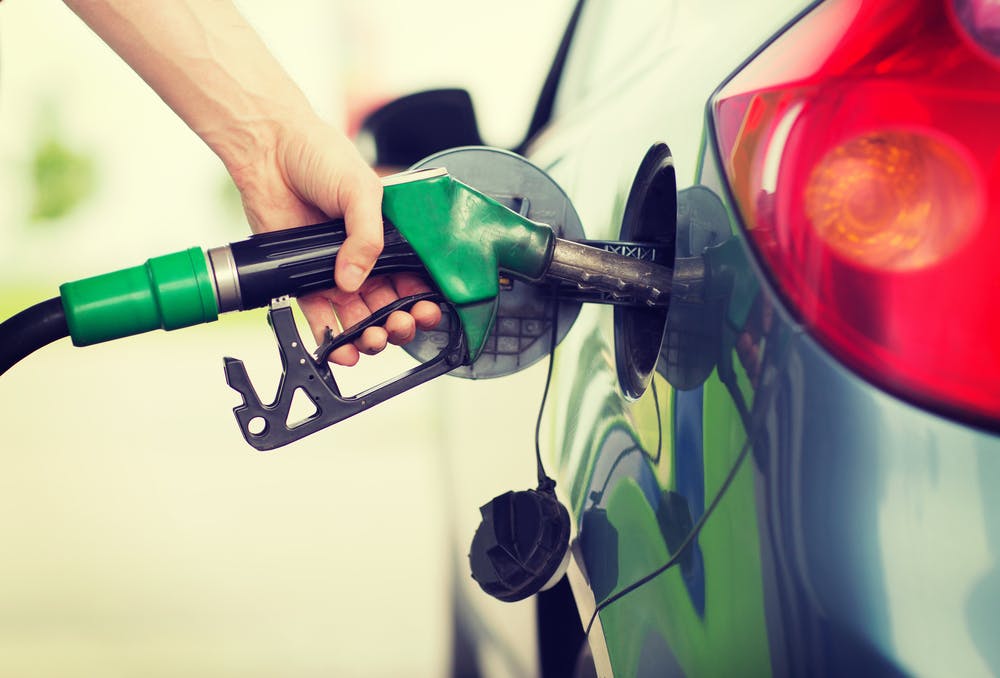 Wash or sanitise your hands after using the petrol pump.
Shutterstock
8. Pay with cards rather than cash to avoid touching money. Many people can handle bills and coins over a long duration of time, providing many opportunities to transfer disease-causing microbes from one person to the next. Using contactless payment also helps maintain social distancing.
9. It’s safer to eat outdoors than indoors if stopping for a snack or lunch. That’s because large volumes of air dilute the density of viral particles in the air. Evidence from a study of COVID clusters in Japan suggests the chance of transmitting COVID is more than 18 times higher inside than outside.
Read more: How to stay safe in restaurants and cafes
When you arrive
10. Is your hotel or rented accommodation COVID-safe? Ask the accommodation provider what steps they have taken to make the place less conducive to spreading COVID. For example, have they introduced extra cleaning or disinfection?
11. Use disinfectant wipes in rented accommodation to clean high-touch surfaces such as door handles, light switches, cupboard handles, taps and toilet flush buttons. You can also put dishes and cutlery through the dishwasher on a hot cycle. This is because the virus can remain viable (able to cause infection) on surfaces for many days.
Following these simple steps can help to keep your trip memorable in the best possible way. Happy holidays!
Authors: Thea van de Mortel, Professor, Nursing and Deputy Head (Learning & Teaching), School of Nursing and Midwifery, Griffith University


















