

Two years on from the Christchurch terror attack, how much has really changed?
- Written by Alexander Gillespie, Professor of Law, University of Waikato
March 15 2019 is a day we must never forget, a defining point in the history of New Zealand. The premeditated attack on the Christchurch Muslim community took the lives of 51 of our fellow citizens and damaged many more. It was also a direct assault on our cherished ideals of multiculturalism.
The question, therefore, is what has changed two years on? There are three responses to that question — not all of them positive or reassuring.
The better news is that the reaction to the attack itself has been impressive. From the prime minister’s empathetic engagement, to the court system ensuring the terrorist was handed an unprecedented life sentence without parole, New Zealand did well.
The royal commission into the attack was also excellent. It was supplemented by an extensive consultation and outreach process, leading to better trauma support for the victims.
Changes to firearms laws have now largely prohibited ownership of the types of semi-automatic weapons used in the attacks. Would-be gun owners who show “patterns of behaviour demonstrating a tendency to exhibit, encourage, or promote violence, hatred or extremism” are no longer considered fit and proper.
The government’s “Christchurch Call” aimed to co-ordinate the fight against violent online extremism internationally. At home, the New Zealand Security Intelligence Service (NZSIS) and police have collaborated on a new strategy to “increase the safety, protection and resilience of crowded places”.
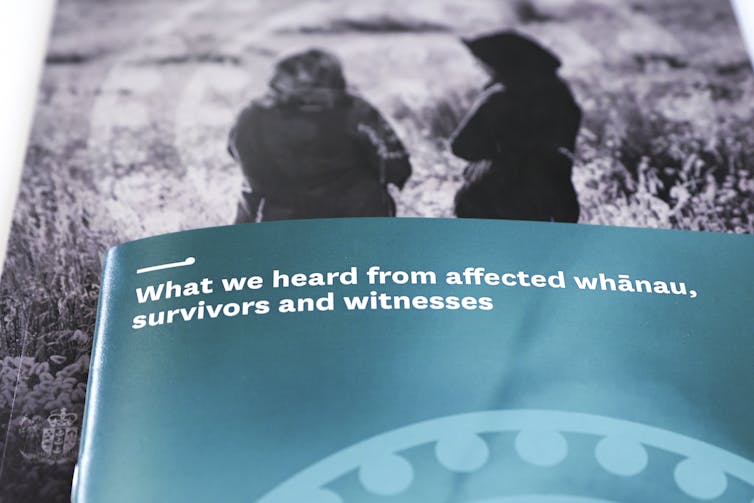 The royal commission of inquiry into the terror attack heard harrowing testimony from survivors.
GettyImages
The royal commission of inquiry into the terror attack heard harrowing testimony from survivors.
GettyImages
The threat has increased
So far, so positive. But, despite these various initiatives, the terrorism threat level in New Zealand has not decreased, but has moved from “low” to “medium” since March 15 2019. That means a terrorist attack is seen as “feasible and could well occur”.
How feasible, and how close we have already come to other attacks, is difficult to gauge. While the failures of security agencies are public, their successes are not. The secrecy around what they do runs deep.
But recent publicly reported incidents suggest a higher-than-desirable level of risk, including:
This suggests security agencies need to be exceptionally vigilant — more so than they have appeared to be recently.
Read more: Christchurch's legacy of fighting violent extremism online must go further – deep into the dark web
Confronted with the fact that a member of the public, not the police or security agencies, spotted the latest threat on the 4chan website, the NZSIS claimed it cannot monitor “millions of pages of posts made online every day”.
That is not acceptable. The public knows New Zealand is part of the powerful Five Eyes global intelligence network. Expecting a few obvious keyword searches within known extremist online hotspots is hardly unreasonable.
While the police and NZSIS may have largely escaped blame for the original March 15 attack, their defence of difficulty in identifying an attacker in advance cannot be used twice.
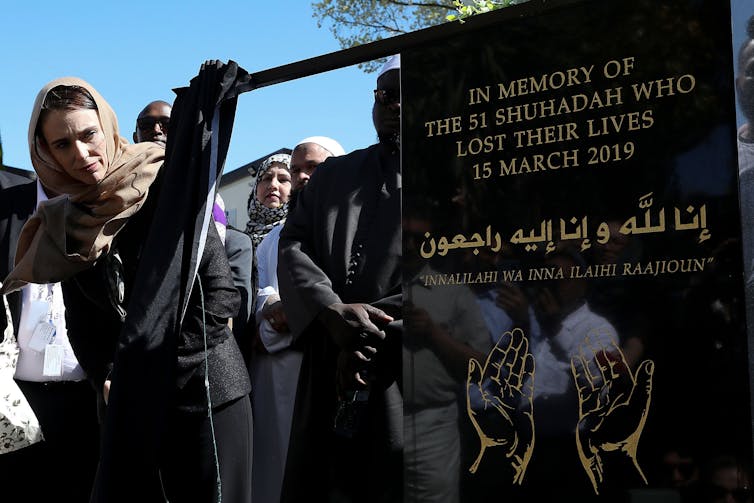 Prime Minister Jacinda Ardern unveiling a commemorative plaque at Al Noor Mosque in 2020.
GettyImages
Prime Minister Jacinda Ardern unveiling a commemorative plaque at Al Noor Mosque in 2020.
GettyImages
Racism and intolerance hard to measure
Finally, and despite initiatives such as the Give Nothing to Racism campaign (launched two years before the Christchurch attack), it is debatable whether racism and intolerance in general have declined at all.
The Christchurch royal commission found “most affected whānau, survivors and witnesses” generally viewed New Zealand and New Zealanders positively before the attacks. At the same time, “nearly everyone we met with had personally suffered racist incidents or discrimination”.
Evidence does suggest we have a real problem. From 2004 to 2012 alone, there were about 100 race-related incidents, ranging from murder and kidnapping to serious assault, threatening and disorderly behaviour, abuse, deliberate damage to property and desecration of sacred sites.
Read more: No rehab and little chance of appeal for the Christchurch terrorist jailed for life without parole
But trying to gauge the real levels of racism and intolerance is difficult. Even the police are unsure of how bad it is: almost half of probable hate crimes are wrongfully downgraded because “the majority of staff do not know how to code them”.
Although racially motivated hostility can be an aggravating factor in sentencing, there is no specific crime of race hatred. Those incidents are commonly mixed in with general public order offences, and the government has no plans to amend this.
Read more: Far-right extremists still threaten New Zealand, a year on from the Christchurch attacks
Not enough has changed
The Human Rights Commission reports race-related prejudice remains the commonest complaint. While the trend has improved, the numbers remain high: 426 complaints in 2017-18, 369 in 2018-19 and 383 in 2019-20.
Even these small advances may have been washed away by the anti-Chinese and Asian racism reported during the COVID-19 pandemic.
As for levels of general intolerance, it speaks volumes that the Broadcasting Standards Authority was forced to announce it would no longer hear complaints about everyday use of te reo Māori.
Two years on from the Christchurch terror attack, then, has New Zealand changed? Yes and no. The government dealt with the actual atrocity well. But the risk of further attacks remains — perhaps greater than before. And racism and intolerance remain stubbornly persistent.
If we really want to ensure the horrors of March 15 2019 do not ever recur, we must do better in spotting extremists in advance, and draining out the racist and intolerant ecosystems they emerge from.
Authors: Alexander Gillespie, Professor of Law, University of Waikato

















