Paying Australia’s coal-fired power stations to stay open longer is bad for consumers and the planet
- Written by Daniel J Cass, Research Affiliate, Sydney Business School, University of Sydney
Australian governments are busy designing the nation’s transition to a clean energy future. Unfortunately, in a misguided effort to ensure electricity supplies remain affordable and reliable, governments are considering a move that would effectively pay Australia’s old, polluting coal-fired power stations to stay open longer.
The measure is one of several options proposed by the Energy Security Board (ESB), the chief energy advisor to Australian governments on electricity market reform. The board on Friday released a vision to redesign the National Electricity Market as it transitions to clean energy.
The key challenges of the transition are ensuring it is smooth (without blackouts) and affordable, as coal and gas generators close and are replaced by renewable energy.
The redesign has been two years in the making. The ESB has done a very good job of identifying key issues, and most of its recommendations are sound. But its option to change the way electricity generators and retailers strike contracts for electricity, if adopted, would be highly counterproductive – bad both for consumers and for climate action.
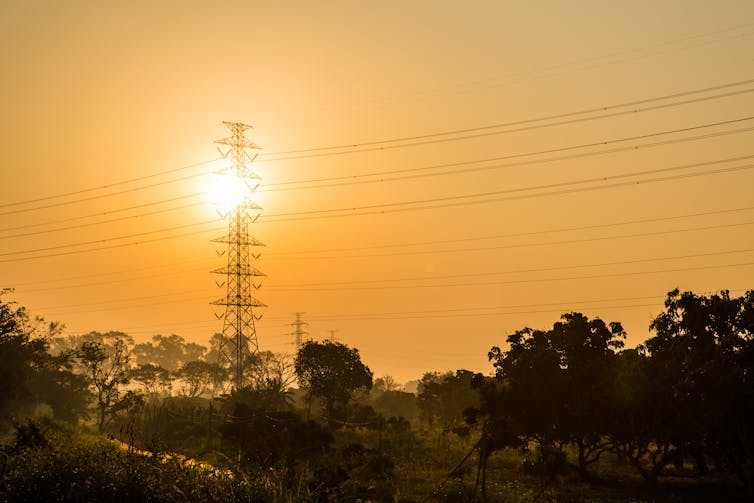 One proposed reform to Australia’s electricity market would be bad for consumers and climate action.
Shutterstock
One proposed reform to Australia’s electricity market would be bad for consumers and climate action.
Shutterstock
The energy market dilemma
The National Electricity Market (NEM) covers every Australian jurisdiction except Western Australia and the Northern Territory. It comprises electricity generators, transmission and distribution networks, electricity retailers, customers and a financial market where electricity is traded.
Electricity generators in the NEM comprise older, polluting technology such as gas- and coal-fired power, and newer, clean forms of generation such as wind and solar. Renewable energy, which makes up about 23% of our electricity mix, is now cheaper than energy from coal and gas.
Wind and solar energy is “variable” – only produced when the sun is shining and the wind is blowing. Technology such as battery storage is needed to smooth out renewable energy supplies and make it “dispatchable”, meaning it can be delivered on demand.
Some say coal generators, which supply dispatchable electricity, are the best way to ensure reliable and affordable electricity. But Australia’s coal-fired power stations, some of which are more than 40 years old, are becoming more prone to breakdowns – and so less reliable and more expensive – as they age. This has led to some closing suddenly.
Without a clear national approach to emissions targets, there’s a risk these sudden closures will occur again.
Read more: Explainer: what is the electricity transmission system, and why does it need fixing?
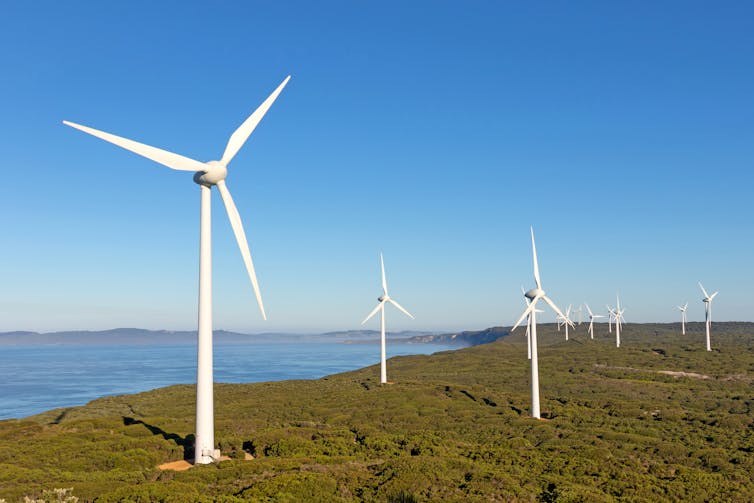 Wind and solar energy is variable.
Shutterstock
Wind and solar energy is variable.
Shutterstock
So what’s proposed?
To address reliability concerns, the ESB has proposed an option known as the “physical retailer reliability obligation”.
In a nutshell, the change would require electricity retailers to negotiate contracts for a certain amount of “dispatchable” electricity from specific generators for times of the year when reliability is a concern, such as the peak weeks of summer when lots of people use air conditioning.
Currently, the Australian Energy Market Operator has reserve electricity measures it can deploy when market supply falls short.
But under the new obligation, all retailers would also have to enter contracts for dispatchable supply. This would likely require buying electricity from the coal generators that dominate the market. This provides a revenue source enabling these coal plants to remain open even when cheaper renewable energy makes them unprofitable.
The ESB says without the change, the closure of coal generators will be unpredictable or “disorderly”, creating price shocks and reliability risks.
 The ESWB says the recommendation would address concerns over electricity reliability.
Shutterstock
The ESWB says the recommendation would address concerns over electricity reliability.
Shutterstock
A big risk
Even the ESB concedes the recommendation comes with considerable risks. In particular, the board says it may:
- impose increased barriers to retail competition and product innovation
- lead to possible overcompensation of existing coal and gas generators.
In short, the policy could potentially lock in increasingly unreliable, ageing coal assets, stall new investment in new renewable energy storage such as batteries and pumped hydro and increase market concentration.
It could also push up electricity prices. Electricity retailers are likely to pass on the cost of these new electricity contracts to consumers, no matter how much energy that household or business actually used.
The existing market already encourages generators to provide reliable supply – and applies strong penalties if they don’t. And in fact, the NEM experiences reliability issues for an average of just one minute per year. It would appear little could be added to the existing market design to make generators more reliable than they are.
Finally, the market is dominated by three large “gentailers” - AGL, Energy Australia and Origin – which own both generators and the retail companies that sell electricity. The proposed change would disadvantage smaller electricity retailers, which in many cases would be forced to buy electricity from generators owned by their competitors.
Australia’s gentailers are heavily invested in coal power stations. The proposed change would further concentrate their market power while propping up coal.
Read more: 'Failure is not an option': after a lost decade on climate action, the 2020s offer one last chance
 The proposed change brings a raft of risks to the electricity market.
Kelly Barnes/AAP
The proposed change brings a raft of risks to the electricity market.
Kelly Barnes/AAP
What governments should do
If coal-fired power stations are protected from competition, it will deter investment in cleaner alternatives. The recommendation, if adopted, would delay decarbonisation and put Australia further at odds with our international peers on climate policy.
The federal and state governments must work together to develop a plan for electricity that facilitates clean energy investment while controlling costs for consumers.
The plan should be coordinated across the states. Without this, we risk creating a sharper shock later, when climate diplomacy requires the planned retirement of coal plants. Other nations have acknowledged the likely demise of coal, and it’s time Australia caught up.
Authors: Daniel J Cass, Research Affiliate, Sydney Business School, University of Sydney