

WA's first governor James Stirling had links to slavery, as well as directing a massacre. Should he be honoured?
- Written by Georgina Arnott, Postdoctoral Research Associate in History, The University of Melbourne
Today, councillors in Perth’s City of Stirling will vote to decide whether to change their city’s name. This follows a residents’ motion arguing a new name would better “reflect the long standing and relevant history of this land in such a way that is inclusive and in recognition of the Nyoongar community”.
This is not about erasing history, said Whadjuk Noongar Elder Len Collard. It is about extending history, “so that all experiences are reflected”.
Stirling is named after James Stirling, Western Australia’s first governor (1829–1839). City of Stirling resident Jeff Bullen, who proposed the motion, argues Stirling’s direction of an 1834 massacre in Pinjarra, south of Perth, means we cannot honour him. Doing so dishonours those killed in that massacre, and its survivors, as well as their descendants.
My research shows Stirling was also indirectly embroiled in the British slave trade via his family’s commerce in American and Caribbean slave-produced tobacco and sugar. Prior to arriving in WA, he personally profited from slavery by seizing ships laden with slave-produced goods, which were awarded to him as prizes.
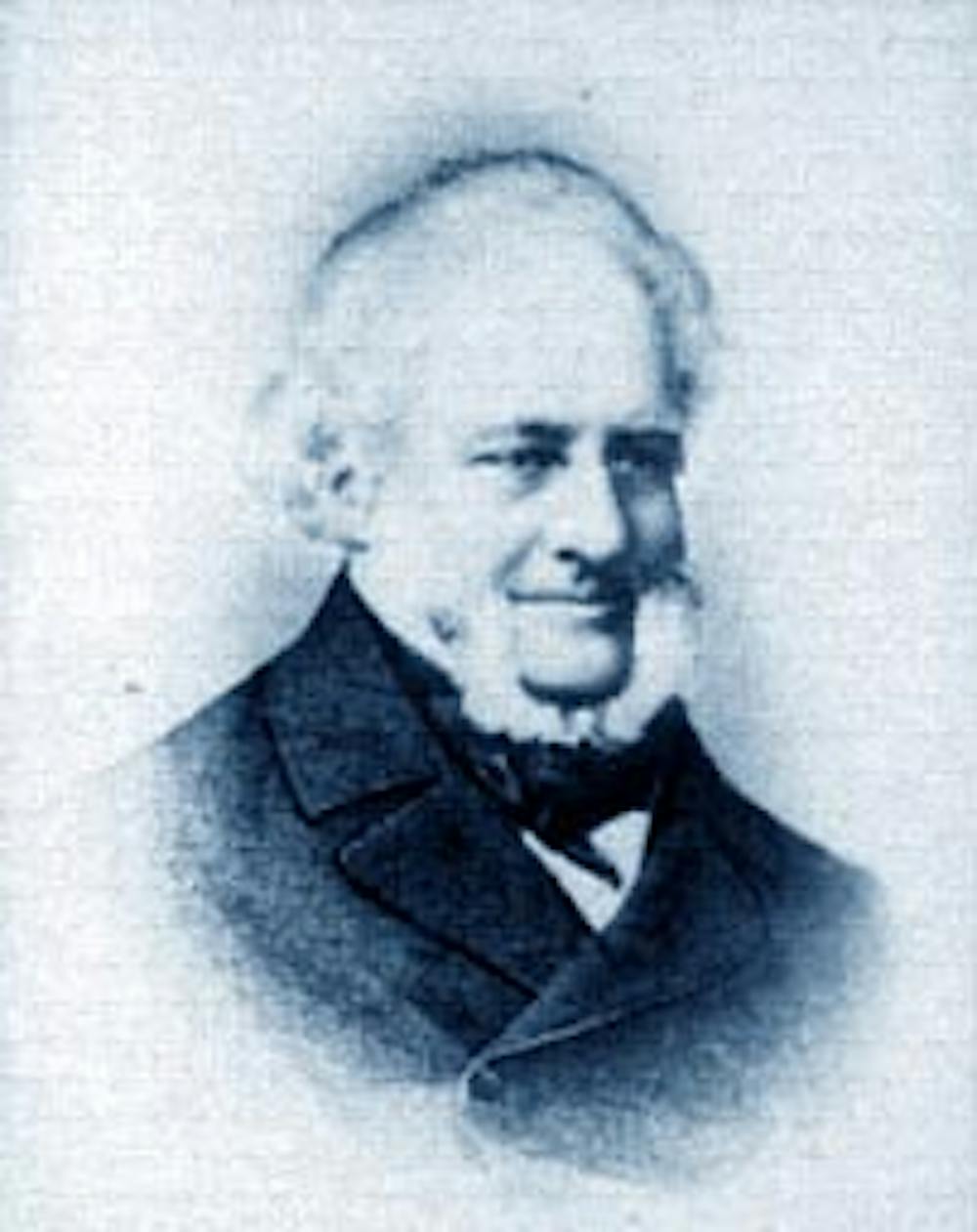 James Stirling.
Wikimedia Commons
James Stirling.
Wikimedia Commons
Stirling’s central role in the Pinjarra massacre, which led to the death of between 15 and 80 Noongar, is beyond doubt.
Stirling contended that Noongar attacks on settlers threatened to “tempt other tribes to pursue the same course, and eventually combine together for the extermination of the whites”. On the 28th of October 1834, when he led troops to the region, he sought to provide a “check” on that notion by inflicting, in his words, “such acts of decisive severity as will appall them as people”.
However, extending our frame of reference backwards, to take in Stirling’s life before 1829, is illuminating.
Tobacco, sugar and coffee
Although it hasn’t been acknowledged by past histories, Stirling’s family’s wealth was built on the back of slavery business.
More than a century before he was born, two ancestors pioneered the Glaswegian trade in slave-produced Virginian tobacco, becoming extraordinarily wealthy through it. Scottish trade in tobacco during this period grew enormously, linked to the tenfold growth in the purchase of African slave labour in British North America during its first 50 years
After the American Revolution, the Stirlings pivoted towards trade with Jamaica. In James’ generation, two brothers oversaw the family business, in which James appears to have invested his money. When slavery was abolished in 1833, his brother Walter was compensated by the British government for the loss of 230 enslaved people in Barbados and Guiana to the tune of more than $A1.7 million in today’s money. (The enslaved themselves received no compensation.)
Stirling was a Royal Navy captain for six years leading up to 1818 on the HMS Brazen, before being retired on half-pay like so many veterans of the Napoleonic Wars. The ambitious 27-year-old’s income was reduced to roughly that of an innkeeper.
His one salve was the fortune he had made during those six years, capturing enemy vessels. The Royal Navy awarded prize money from the sale of such vessels and their cargo. Stationed in Jamaica, Britain’s richest slave colony, Stirling’s first captured ship had been transporting slave-produced sugar and coffee from Havana to New Orleans, to be sold up the Mississippi River to southern planters.
As captain, James received around $A22,000 in today’s money from the sale of the vessel and its cargo. Further captures followed and, though this is not yet clear, it is possible that some ships contained enslaved people, leading to higher prizes. While stationed in Jamaica, Stirling also provided defence for the slave colony and its exports.
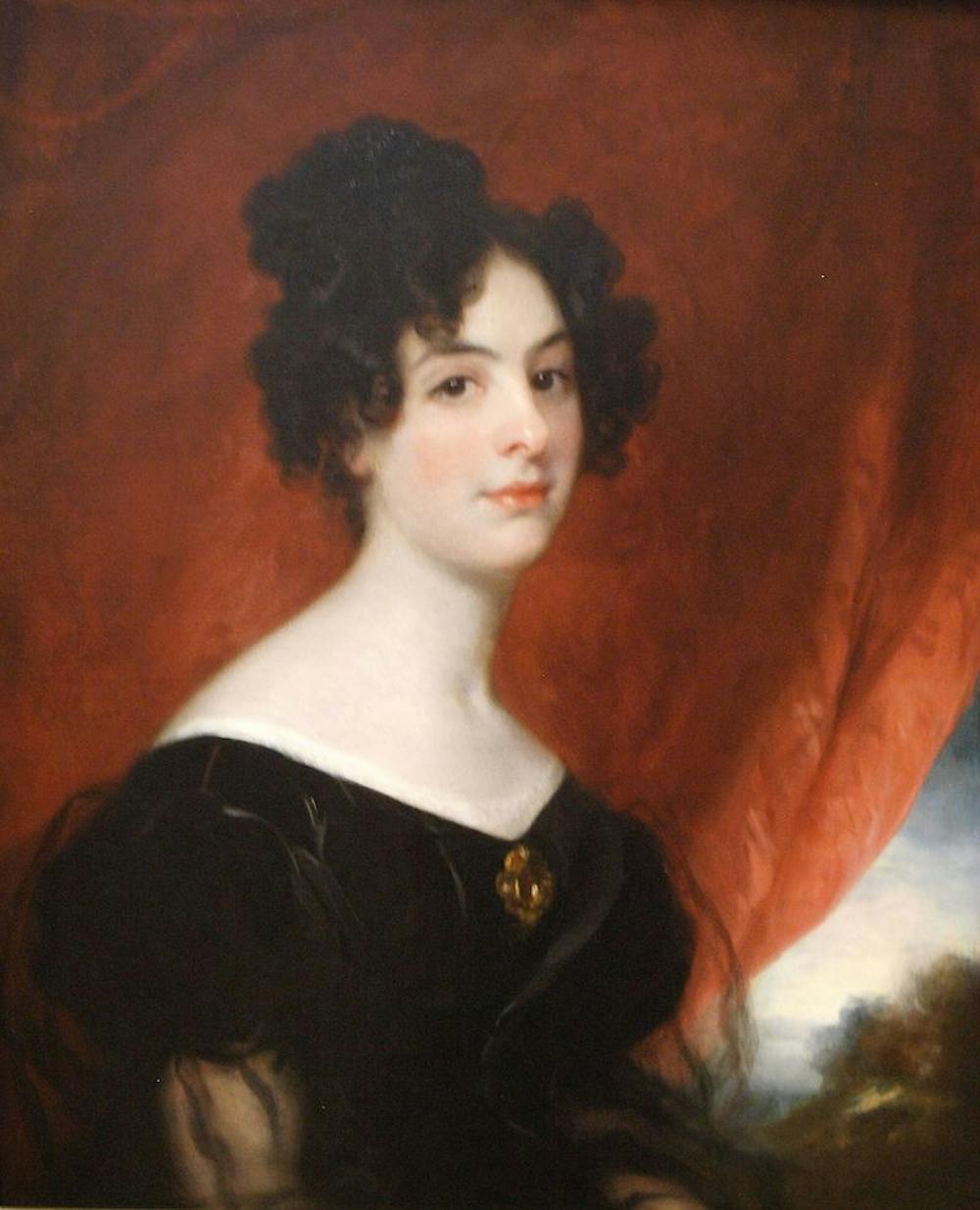 James’ wife Ellen Stirling (Mangles), 1828, by Thomas Phillips, National Portrait Gallery (Australia), Canberra.
Wikimedia Commons
James’ wife Ellen Stirling (Mangles), 1828, by Thomas Phillips, National Portrait Gallery (Australia), Canberra.
Wikimedia Commons
The money that Stirling made from capturing vessels, and the ambition it suggested, was just enough to allow him to marry the daughter of wealthy ship owner, James Mangles. Mangles’ ships had transported enslaved Africans from the West Coast of Africa to Jamaica in the late 18th century, but in the 19th he turned to Indian Ocean trading and convict transportation.
In the years leading up to 1829, Stirling lobbied hard to convince a wary British Colonial Office to establish a penal-free colony on the west coast of Australia, which could support East India Company military and merchant activities. Cheap Indian labour, he proposed, on contracts of indenture, might be imported to cultivate crops in the harsh environs. Further schemes were proposed for non-white labour.
Commercial logic
Once in WA, Stirling’s principal concern was identifying and securing fertile pastoral land — for the colonists, the British investors supporting them, and for himself. The success of the colony hinged on pastoral expansion and profit.
The Pinjarra massacre was, in part, led by the commercial logic of this pastoral expansion. If settlers were too frightened of the “unsettled” regions, they would crowd those “settled” around Perth.
Rewinding back in time provides valuable context for the Pinjarra battle and our decisions around commemoration today.
James Stirling’s actions in WA were driven by the logic of imperial commerce. Can the City of Stirling acknowledge this history, and the violence that followed, at the same time as honouring him?
Authors: Georgina Arnott, Postdoctoral Research Associate in History, The University of Melbourne

















