

The Importance Of Residential Scaffolding For Safe And Efficient Home Projects
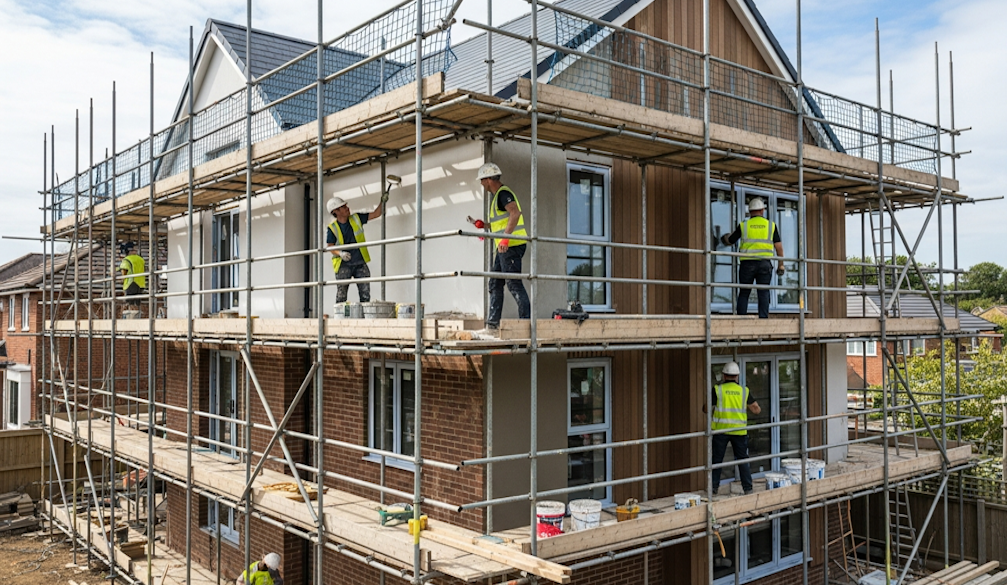
Home construction and renovation projects require reliable access systems that prioritise both worker safety and structural stability. Whether the project involves roofing, painting, rendering, extensions, repairs, or general maintenance, residential scaffolding provides homeowners and contractors with the secure platform needed to complete tasks efficiently. A well-designed scaffolding setup creates a controlled environment where tradespeople can work confidently at height, improving both productivity and project outcomes.
Why Residential Scaffolding Is Essential For Home Renovations
Many homeowners underestimate the complexity of working at height during renovations. Ladders offer limited stability and are often unsuitable for prolonged work periods, especially when tools and materials must be carried or when tasks require precise movement. Residential scaffolding eliminates these challenges by providing level, spacious platforms that allow tradespeople to move freely and perform tasks with accuracy. The added stability not only enhances safety but also improves the quality of workmanship, particularly for tasks like painting, siding installation, brickwork, and gutter maintenance.
Supporting Different Types Of Home Construction Projects
Residential projects vary significantly in scale, and scaffolding must accommodate everything from small repairs to substantial structural changes. A reliable residential scaffolding system can be configured to fit single-storey homes, multi-storey dwellings, townhouses, and even properties positioned on uneven land. Its adaptability ensures that workers can access difficult areas such as high facades, roof edges, second-storey windows, and exterior walls that would otherwise be challenging to reach safely. By tailoring the setup to the property’s layout, contractors can ensure smooth progress throughout each stage of the project.
Improving Safety For Workers And Homeowners
Safety remains the most important factor when selecting access equipment for home projects. Residential scaffolding is engineered with strong guardrails, reinforced planks, stable footing, and secure bracing to minimise risk. With these safety measures in place, workers are protected from falls, while tools and materials are less likely to slip or tip over. Professional installation ensures that the system complies with Australian safety regulations, giving homeowners peace of mind that the project will be carried out with minimal risk of accidents.
Enhancing Efficiency And Reducing Project Time
When workers have access to a stable, well-planned scaffolding structure, the pace of work improves naturally. A solid platform reduces the time spent repositioning ladders or navigating uneven footing, allowing tradespeople to focus on completing tasks efficiently. This increased productivity often results in shorter project timelines, which benefits both homeowners and contractors. With fewer interruptions and a more organised work environment, the overall project becomes smoother and more cost-effective.
Durability And Strength That Support Reliable Performance
Residential scaffolding is built using high-quality materials designed to withstand daily wear, heavy loads, and outdoor exposure. Whether the project lasts a few days or several weeks, the structure maintains its integrity throughout. Weather conditions such as wind, rain, or heat do not significantly affect its performance when properly installed, giving workers a dependable platform regardless of external factors. This durability ensures long-term value, especially for contractors who rely on scaffolding as a core part of their services.
Accessing Difficult Or High Areas With Confidence
Home designs often include angled roofs, elevated balconies, and architectural features that create hard-to-reach areas. Residential scaffolding allows contractors to work on these sections without hesitation. With multiple levels and adjustable components, scaffolding provides access to even the most complex areas of a home. This flexibility is essential for projects such as roof tile replacement, chimney repairs, solar panel installations, or exterior painting, where precision and secure footing are critical.
Professional Installation Ensures Compliance And Safety
Installing scaffolding is a specialised task that must be completed by trained and licensed professionals. A professional installer evaluates the property, identifies potential hazards, and designs a scaffolding layout that optimises safety and functionality. Once erected, the system undergoes regular checks and adjustments to ensure stability throughout the project. Working with dedicated scaffolding specialists ensures compliance with Australian standards and reduces potential risks that may arise from improper installation.
Choosing A Reliable Residential Scaffolding Provider
Selecting the right provider plays a significant role in the success of a home renovation project. A dependable scaffolding company will supply high-quality equipment, offer expert installation, and provide ongoing support throughout the project duration. Experienced providers understand the unique requirements of residential properties and can design tailored solutions that enhance both safety and efficiency. They also prioritise reliable communication and fast response times to avoid delays or complications.
Conclusion: Why Residential Scaffolding Supports Better Project Outcomes
Residential scaffolding is an essential component in ensuring safe, efficient, and successful home construction or renovation work. Its combination of stability, adaptability, and strong safety features allows tradespeople to perform tasks with confidence, ultimately delivering better results for homeowners. Whether tackling small repairs or major upgrades, residential scaffolding provides the reliable access and secure foundation needed to complete projects to a high standard.

















