

Research shows how athletes cope with post-Olympic life
- Written by Courtney Walton, McKenzie Postdoctoral Research Fellow, Mental Health in Elite Sports, The University of Melbourne
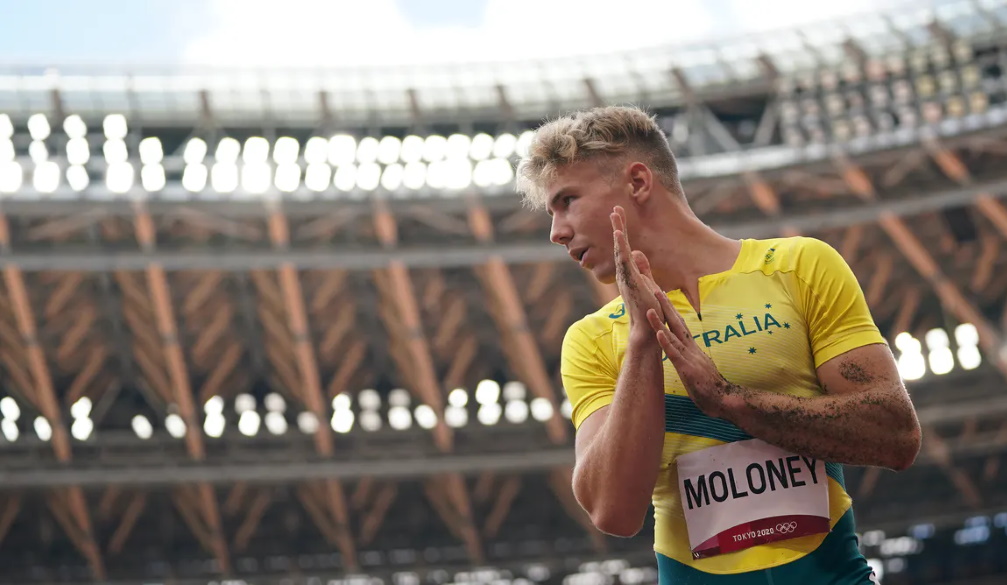
With the Olympics drawing to a close, many athletes will begin to turn their attention to a crucial yet daunting question: what’s next?
The Olympic Games are a unique event, with the potential for extreme highs and lows that accompany success, loss, injury, or regret. The experience of the games on athlete mental health goes far beyond the competition itself, though, with the weeks and months following the event crucial to athlete wellbeing.
It is critical to understand what can contribute to better or worse post-Olympic experiences for our athletes. In our recently published research, we set out to explore this question by interviewing 18 Australian athletes who had competed in the 2016 Rio Games.
Our goal was to explore what factors are most important to athlete wellbeing (and why), in addition to understanding the strategies athletes used to cope following their Olympic experiences.
The mental health of athletes is of increasing concern
The mental health of athletes has attracted increased attention, thanks to high-profile stars like Naomi Osaka and Simone Biles.
But even before the Tokyo Games, a 2019 statement from the International Olympic Committee highlighted that mental ill-health was common among elite athletes. It also emphasised how more needs to be done to improve the recognition and treatment of mental health issues, support athletes and reduce stigma around this topic.
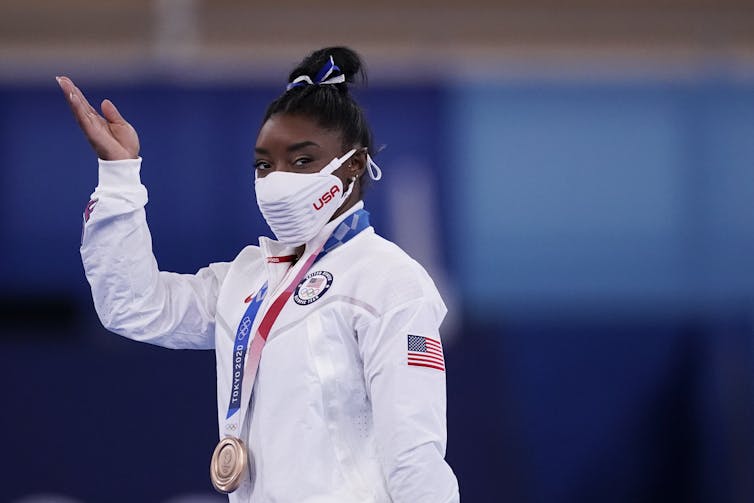 Simone Biles has been very vocal about her challenges in Tokyo, saying ‘I didn’t quit…as you can see here’. Ashley Landis/AP
For example, it has been estimated that approximately one-third of elite athletes around the world experience symptoms of depression or anxiety. Here in Australia, recent research has supported these findings, particularly among female elite athletes.
Publicly, athletes have spoken of dark post-Olympic periods, in particular. Michael Phelps, the most decorated Olympian of all time, has described bouts of suicidal thoughts in these moments. He said in a 2019 interview that after every Olympics he “fell into a major state of depression”.
Read more: The power of no: Simone Biles, Naomi Osaka and Black women's resistance
‘When you get home it’s really lonely’
In our research, the Australian athletes we interviewed felt the quality of their performances had a direct effect on their post-Olympic wellbeing.
Those who exceeded expectations, achieved their goals, or were satisfied with their performances were generally positive about the post-games phase, as the following athlete indicated:
I finally did my PB [personal best] in the final, and honestly for me, doing a PB at that point in my career was like winning a gold medal. I know it’s a cliché, but I did really have a fairy tale end to my career.
However, given how many external factors can influence performance outcomes, attention must also be focused on things that are more easily controlled. Pre-Olympic planning and having social supports in place, for example, were key for those who transitioned more easily to a post-Olympic life.
Several athletes described the importance of having a plan for what they would do next, saying this was absolutely crucial to their wellbeing. These plans varied from getting married or going on holiday to beginning a degree, a new job, or even a new athletic season.
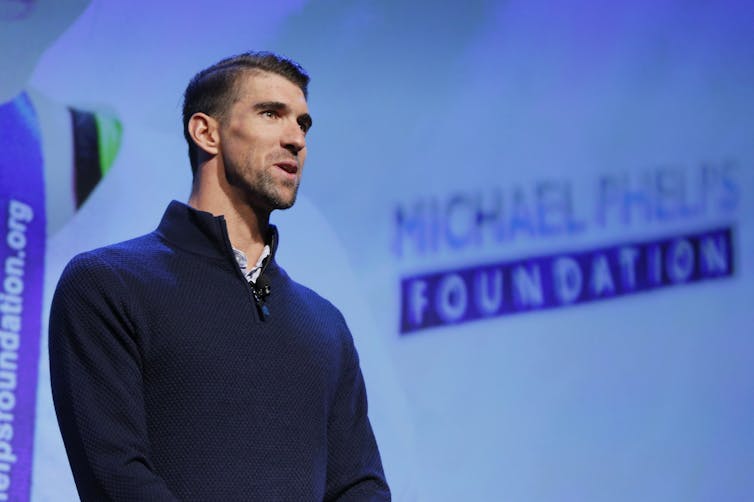 Michael Phelps says the time is now to better support athletes after their moments of glory are over. John Locher/AP
Conversely, when athletes did not have clear plans — like being uncertain about whether to retire or continue competing — difficulties emerged. One athlete said,
When you get home it’s really lonely […] It’s quite depressing, and it is a little bit overwhelming, starting from square one again.
Another telling quote came from an athlete who described how some fellow Olympians would “really, really struggle” after the games.
They’ve come back from the Olympics and they haven’t had anything to do. So, they haven’t had university, they haven’t had work, they haven’t had a family, they haven’t had community engagement, they haven’t had a plan.
The benefit of support systems
The athletes also shared with us that support from family, friends, coaches, and their sporting organisations significantly enhanced their wellbeing.
Some said when this support dropped off, it made the transition back to normality far harder. For example, an athlete with a particularly difficult experience said,
[Before Rio] I had my head of my team, the strength and conditioning coach, a psychologist, the national coach, nutritionist, massage therapists, all that sort of stuff. Everyone was helping me […] Post-Rio, I didn’t get contacted by a single person, not one of them contacted me.
Unfortunately, providing systemic support for athletes can be difficult due to the ongoing stigma associated with seeking help for mental health challenges.
Previous research has shown that athletes face specific barriers to seeking help for mental health issues, such as fears of team selection changes and concerns they may be perceived as unable to cope.
Indeed, one athlete in our study highlighted this:
It’s that vulnerability of saying, ‘Yeah, I’m not coping.’ I guess that is what keeps me just looking within my inner circle because it’s not something you want to put your hand up and go, ‘Yeah, I’m over here. I’m struggling massively.’ There’s still that stigma involved with it.
Read more: What Olympic athletes can teach us about regulating our emotions and staying dedicated
What can be done to help athletes transition?
So what can be done to help athletes? The Australian Institute of Sport established a mental health referral network in 2018, with over 50 mental health practitioners now providing confidential support to elite athletes in areas of psychology, psychiatry, neuropsychology and nutrition.
Our study suggests some athletes may still struggle to reach out for this sort of help, and having mental health professionals check in with them for a significant period of time after the games is crucial, too.
Athletes must also work on building an identity outside of sport that they can then immerse themselves in at the end of their careers or a competitive cycle. This is also something Australian sporting organisations are now striving to support.
For the rest of us, the general public and media should be empathetic and supportive of our Olympians. Social media abuse of athletes is on the rise, particularly for women and racial minorities, as we sadly saw with Biles’ experience during the Tokyo Games.
Given we know significant psychological distress is common following the Olympics, it’s critical to be compassionate, respectful and supportive towards those who do us proud on the biggest stage.
Authors: Courtney Walton, McKenzie Postdoctoral Research Fellow, Mental Health in Elite Sports, The University of Melbourne

















