

Kids' fitness is at risk while they miss sport and hobbies — but mums are getting more physical
- Written by Tim Olds, Professor of Health Sciences, University of South Australia
For most of our lives, the rhythms of our days are governed by crystallised routines: we get up, have breakfast, go to school or work, have lunch, dinner, watch TV, go to bed. For families, weekly routines often revolve around kids’ sport or active hobbies.
Then there are times in life when our routines are upended. Mostly these are life transitions like starting school or retiring. Less often, disruption stems from individual crises like sickness or job loss. Even rarer are social upheavals. The COVID pandemic is certainly one of those.
A number of surveys report changes in parents’ and kids’ physical activity and screen time during lockdowns. But what will this mean for their long term health and fitness?
Kids’ activity down, screentime up
According to the Royal Children’s Hospital’s National Child Health Poll last year 42% of parents said their kids had been less active, while only 13% said they had been more active.
The most recent report from Growing Up in Australia: The Longitudinal Study of Australian Children (LSAC) yielded similar results: 39% of kids said they had been less active, 29% more active.
An AUSPLAY survey of 20,000 Australians over 15 found 44% of adolescents participated in fewer sports, compared to 31% being involved in more sports. In 2020, out-of-school sports participation at least once a week dropped nationally from 55% to 43% compared to 2019.
One good marker of how active kids are is how much time they spend outdoors. In the National Child Health Poll 42% of parents said their kids spent less time outdoors, compared to 14% who said they spent more time outdoors. Since outdoor time is often limited to one hour during lockdown, the more active kids likely had their time curtailed.
Unsurprisingly, screen time has rocketed. Over half of parents in the same survey said their kids were spending more time using screens and digital media, even when online learning was excluded. Only 5% said their kids were getting less.
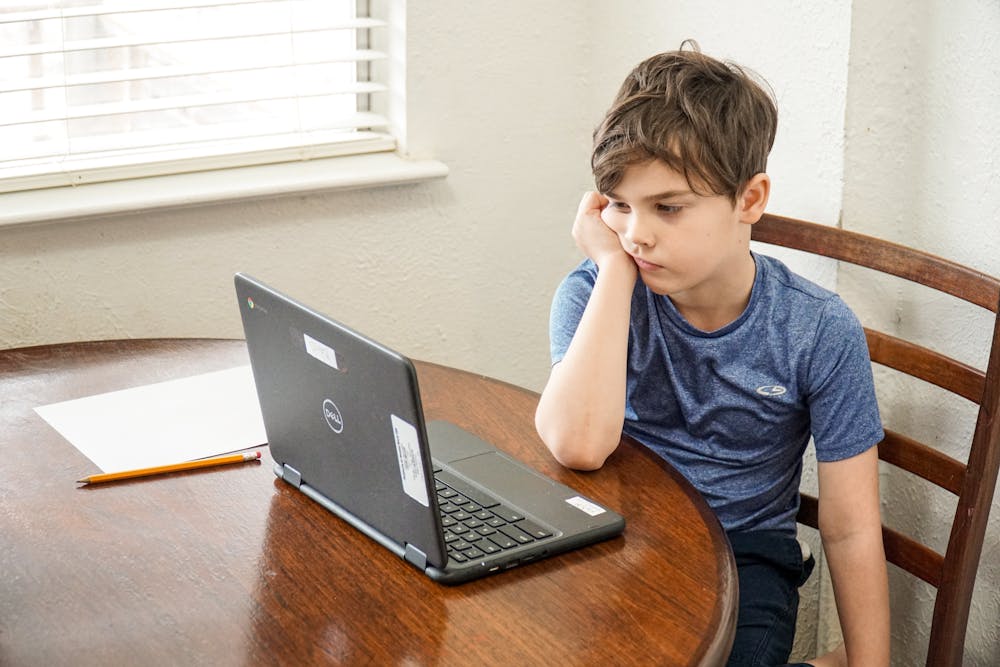 Kids are likely to be spending more time in front of screens during remote learning.
Unsplash/Thomas Park, CC BY
Kids are likely to be spending more time in front of screens during remote learning.
Unsplash/Thomas Park, CC BY
Parents fared better, especially mums
The story is quite different for parents: 29% say they are getting more moderate physical exercise, slightly more than those who say they are getting less (24%).
The AUSPLAY surveys show an increase in overall levels of physical activity in adults. But these increases are driven almost entirely by women, and mainly middle-aged women. Perhaps women in this age group who have taken on more of the housework and home-schooling burden are using the time they used to spend commuting to go outside for a walk, take a break and socialise.
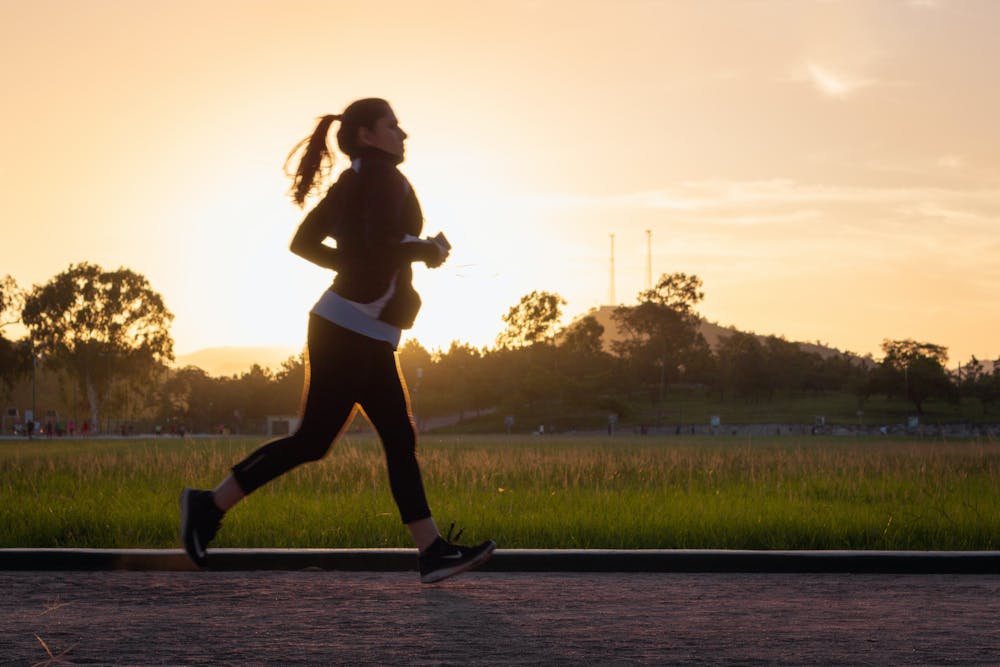 Middle-aged mums are reporting increases in physical activity during lockdown.
Unsplash/Alex McCarthy, CC BY
Middle-aged mums are reporting increases in physical activity during lockdown.
Unsplash/Alex McCarthy, CC BY
Under lockdown, some of the important venues for sports traditionally undertaken by men were closed, so team sports were down 40–50% and gym activities were down 36% (though some undertook workouts at home). Meanwhile, common forms of physical activity for women were up — jogging (up 40%), yoga and home exercises (up 39%), walking (up 33%) — as they remained feasible.
Some 58% of parents are doing more exercise with their kids. The 35–54 year-old age group increased this kind of participation by 19–23%.
Will it matter in the long term?
Physical inactivity has a myriad of negative health effects, such as lower mood, poorer cognition and mental health, weaker bones and muscles and poorer cardiovascular fitness.
Over the long term, physical inactivity increases the chances of becoming overweight and of obesity. It increases the likelihood of early onset for chronic diseases such as heart disease, diabetes, many cancers and mental illness.
If the lockdown trends for lessened physical activity are sustained, it’ll be bad news for our children’s health. The question is, once restrictions ease, will children’s activity levels return to normal?
Children get their physical activity in three main ways: play, active transport (walking, running, cycling and scooting to get somewhere) and sport.
Much of their play happens at school, so will presumably rebound once school’s back. But there have been decades-long declines in children’s active transport (though such activities have enjoyed a renaissance during COVID while families stay within their local neighbourhood).
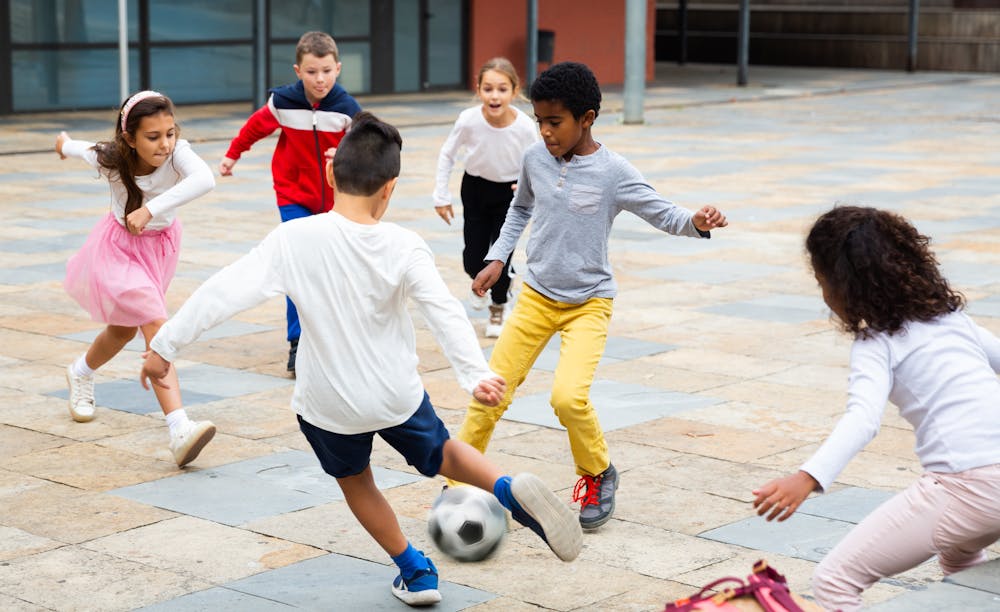 Both organised sport and schoolyard activity has been disrupted.
Shutterstock
Both organised sport and schoolyard activity has been disrupted.
Shutterstock
Read more: From vaccination to ventilation: 5 ways to keep kids safe from COVID when schools reopen
The long-term impact on sport is less clear. In June 2020, 32% of parents reported concern about their kids going back to sport after the pandemic, due to ongoing fear of COVID infection. Furthermore, many families are reporting enjoyment of a slower pace of life under COVID with less rushing to sporting games, classes or practice. It is possible that COVID may speed up a decades-long shift in participation for both adults and kids from organised group sports (such as football, basketball and surf lifesaving), to more informal and individual activities (such as cycling, running and surfing).
Read more: Kids' grip strength is improving, but other measures of muscle fitness are getting worse
Wait and see
As a society, it will be imperative that we closely observe trends in children’s (and adults’) activity, as these COVID trends have the potential to leave lasting scars with long-term health consequences.
Targeted efforts to address lockdown-related declines in physical activity may be needed. For now, there is cause for quiet optimism, with vaccination numbers growing, an easing of restrictions in sight, as well as the warmer, longer days of summer ahead.
Authors: Tim Olds, Professor of Health Sciences, University of South Australia

















