

Building trust with migrant and refugee communities is crucial for public health measures to work
- Written by: Devaki Monani, Lecturer, Social Work, Charles Darwin University
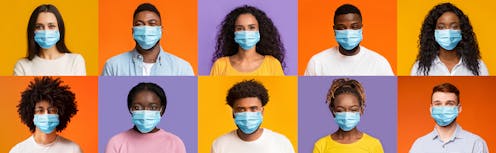
During COVID-19 we’ve seen racism and discrimination against migrant and refugee communities erode trust between them and authorities.
So as the Delta variant spreads, we must find ways to build that trust.
With greater trust, we can improve contact tracing and the chance of people following public health advice. This is essential if we are to help prevent more infection, illness and death.
More racism and discrimination
COVID-19 has exacerbated existing tensions between some migrant and refugee communities and parts of the wider population, including government and health authorities.
Migrants have been blamed for spreading COVID-19; international students have faced racism, and have reported poor mental and physical health; and people of Chinese background or those of “east Asian appearance” have suffered racist slurs and physical attacks.
Then there are the refugee communities of non-English speaking backgrounds. Many have arrived after experiencing war and human rights abuses by other governments only to face tough social distancing restrictions and the use of police and military to enforce lockdowns in Australia.
Read more: Using military language and presence might not be the best approach to COVID and public health
This has led to some concerns about being reported to government, having their visa cancelled, being detained or deported.
As a result of this past trauma and the risk of losing their temporary visa status, some people have been reluctant to participate in contact tracing and follow public health advice.
Making matters worse has been some media outlets and social media sharing racist and harmful stereotypes.
Understand diversity
Building trust requires recognising the diversity of communities. For example, the phrase “culturally and linguistically diverse” is often used to describe migrant and refugee communities of non-English speaking backgrounds. While the phrase has merit in some situations, it disguises differences between and among communities.
For instance, the term “migrant” refers to people who have chosen to move from one country or area to another. Migrants can include international students, business owners, professionals and those wanting to work and join family already living in Australia.
In contrast, refugees arrive after suffering from psychological distress and trauma due to war, torture and/or conflict. Some refugees may have lower levels of education, literacy and financial support.
Any projects aimed at communicating health information with such communities need to learn about the variations and differences within and between them. Differences include varying levels of education, language and literacy skills, preferences in old and new media, and differing cultural understandings of health.
Some communities have a more communal approach to health, which influences how to best share information. Rights and access to government supports also differ, including employment support and Medicare.
Engage with communities
We can improve contact tracing, the sharing of public health advice and, most importantly, build trust, by better engaging with communities.
This means involving communities in decision-making and how services are developed and delivered. Governments and health agencies should engage with communities and ask them what skills and support they need to manage the pandemic and daily life.
Bilingual community facilitators, also known as bicultural community workers, may be needed. These help bring together community members and health agencies to moderate discussions, hold workshops, develop solutions and build relationships and trust for the long term.
Read more: We asked multicultural communities how best to communicate COVID-19 advice. Here's what they told us
Know there’s more going on
We can also build trust by improving access to training, education, employment, affordable housing and other social factors. These can help improve health outcomes.
Without appropriate support and tailored health communications it’s more likely people will be forced to break COVID restrictions, like going to work when sick, or gather in family groups for support. Without understanding or trusting public health advice, contract tracing for COVID is much harder.
Read more: Why some people don't want to take a COVID-19 test
Help grow stronger communities
Communities of people with migrant and refugee backgrounds can be supported to find their own solutions to the challenges and opportunities of everyday life.
This “capacity building” might include holding workshops with families, or supporting young people to develop their abilities as leaders. For this to happen, governments need to work closely with non-government organisations.
Such programs would help build stronger relationships within Australian society that help more people feel like they belong. With stronger relationships and greater capacity in communities to deal with health issues, more people are likely to trust the procedures of contact tracing and public health advice.
Read more: Understanding how African-Australians think about COVID can help tailor public health messaging
Where to now?
Health agencies, governments and others working with people from refugee and migrant communities can make real and positive differences by helping to build trust with migrant and refugee communities of non-English speaking backgrounds.
Our challenge now is doing this gradually and with care.
More respectful and sensitive engagement could be one of the most important ways we reduce the terrible illness and death from COVID, and combat the stigma and racism that has come with it.
Authors: Devaki Monani, Lecturer, Social Work, Charles Darwin University


















