

To fix gender inequity in arts leadership we need more women in politics and chairing boards
- Written by: Jo Caust, Associate Professor and Principal Fellow (Hon), University of Melbourne
Women are the major consumers as well as the largest percentage of employees in the arts. Yet their presence as artistic leaders remains low or, in some sectors, non-existent.
Of the 28 organisations presently funded under the Australia Council framework of the major performing arts, only three, Black Swan Theatre Company, Orchestra Victoria and the Queensland Symphony Orchestra, have female artistic leaders.
These 28 organisations include ballet, dance, theatre, opera, orchestras and a circus. In practice this means that almost 90% of the artistic leaders of our major performing organisations are male. These organisations receive the majority (at least 62%) of arts funding allocated by the Australia Council.
A recent Australian study found the role of women as artistic leaders and choreographers of dance and ballet companies is minimal – despite the fact that they dominate the industry. The findings are consistent with international studies of the role of women in dance and ballet.
Read more: Australia's major dance companies need to step up on gender equality
Another recent international study considered the leadership of the top 12 art museums in the world. At the time of the study, all were led by men.
If we then look at the leadership of the six major state art galleries in Australia as well as our national gallery, a similar picture emerges. Only one state art gallery (the Tasmanian Museum and Art Gallery) has a female leader, although the Art Gallery of South Australia has a woman in the “co-acting” directorial role while a new leader is being sought.
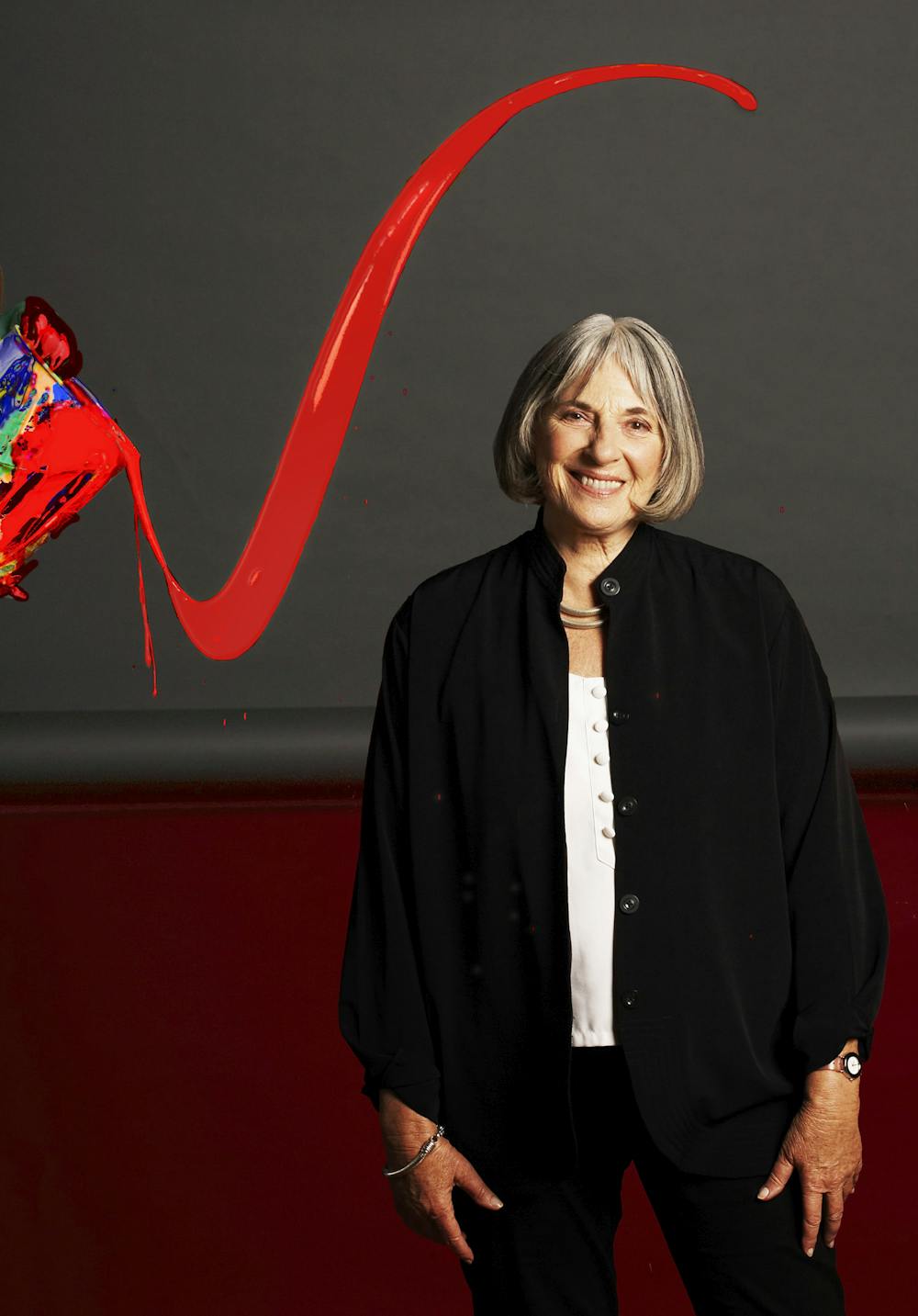 The late Betty Churcher: a rare example of a woman running a major cultural institution.
John Tsiavis/AAP
The late Betty Churcher: a rare example of a woman running a major cultural institution.
John Tsiavis/AAP
Historically, the picture is not much better. A woman has occasionally been the leader of a major Australian cultural institution (for instance, Betty Churcher at the National Gallery from 1990-1997, or Paula Latos-Valier at the Art Gallery of Western Australia from 1990-1997), but examples of women as leaders are the exception, not the rule.
These figures might not be so shocking in traditionally male-dominated fields such as mining or manufacturing. But the arts sector is one where women represent the majority of consumers and participants. Evidence that Australian women in senior roles in the arts earn 38% less than male colleagues who occupy similar positions further compounds this inequality.
There are big issues that need to be tackled by agencies involved in leading, supporting, training and funding the arts in this country. It has been noted already in gender research that to change an existing homogeneous model of leadership, attention needs to be paid to ensuring different values and cultures are represented in any selection process. Selection panels are more likely to choose a candidate who reflects the values that they believe in or exemplify, even if a male candidate is less qualified or less experienced than the female equivalent.
Read more: The gender pay gap is wider in the arts than in other industries
In this country, as in many others, the leadership of art institutions is determined by a board of management or, in the case of government agencies, by the minister concerned. If the chair of the board or the politician is male, then they may be less likely to associate leadership with a woman.
At present across the country, seven ministers are responsible for arts, culture or creative industries in their portfolio. Five of the current ministers are male.
If we look at who chairs the 28 major performing arts organisations, 20 are male. If we look at the chairs of the six state art galleries and the national gallery, five are male. Thus, the decision-makers for senior arts appointments are predominantly male.
If the present demographic of arts leadership is to change, then gender equity at every level needs to be addressed. In a sector where women represent the majority audience as well as the majority of its participants, the low level of female artistic leadership is significantly out of tune with contemporary expectations.
Jo Caust’s book Arts Leadership in Contemporary Contexts has just been released.
Authors: Jo Caust, Associate Professor and Principal Fellow (Hon), University of Melbourne


















