

cities create over 70% of energy-related emissions. Here's what must change
- Written by: Anna Hurlimann, Associate Professor in Urban Planning, The University of Melbourne
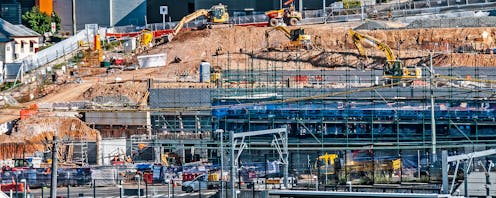
Cities are responsible for 71-76% of energy-related CO₂ emissions. Today, the United Nations climate summit in Glasgow will convene to discuss this urgent global problem.
Carbon emissions in cities are generated through activities including the construction and operation of buildings, manufacture of building materials such as steel and concrete, and through the movement of people, goods and services.
The sector has been described as the “sleeping giant” of carbon emissions. This includes Australia, where a pre-COVID forecast estimated the population will reach 30 million by 2029 – requiring many more buildings to be constructed this decade and beyond.
Over the next 30 years, lifecycle emissions associated with new homes in Australia are expected to exceed the federal government’s economy-wide net-zero emissions targets. Where we locate new buildings and how they’re built is crucial to reducing emissions and managing our exposure to the impacts of climate change.
Australia’s cities are predominantly coastal, but development is underway in areas we know will face sea level rise. Homes and suburbs are not being built to withstand heatwaves and other climate change threats.
We must take significant and rapid action now to ensure cities play their part in limiting dangerous global warming, so they can cope with the climate challenges ahead.
Read more: The Great Australian Dream? New homes in planned estates may not be built to withstand heatwaves
What’s happening at COP26?
At COP26 today, national, regional, local governments and the private sector will come together to work towards a zero-emission built environment.
A coalition known as #BuildingToCOP26 aims to halve the built environment’s emissions by 2030. Ahead of COP26, it outlined three goals for the sector. They cover targets to decarbonise buildings, committing to the United Nations’ Race to Zero campaign and adopting shared goals for emissions reductions.
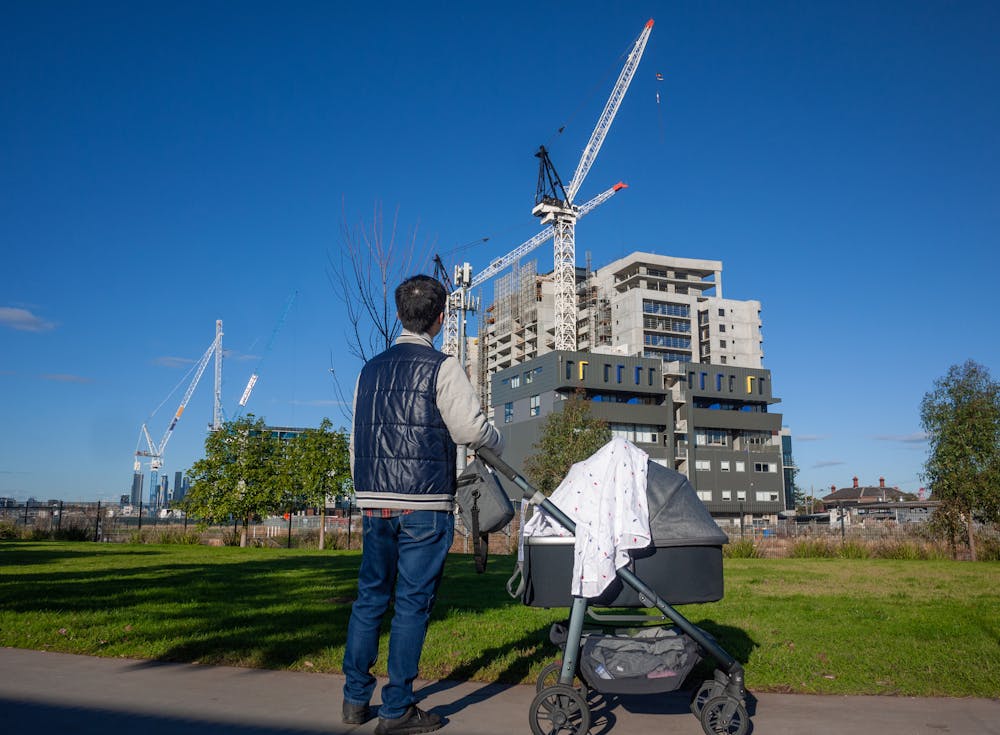
Research consistently shows the clear need to act. Yet our study this year found city planning in Victoria does not sufficiently address climate change.
While Australian states have set goals for emission reductions, these are not yet activated through land use planning and development regulations. We found climate change impacts like sea level rise and urban heat were not sufficiently addressed.
Blind spots like these mean the implications of climate change on our built environment – and on property values – are being mispriced and underestimated.
Without significant, rapid change, society will be further exposed to climate risks.
All of us will bear the cost – through higher council rates to pay for infrastructure damage, rising home and contents insurance costs, and in some cases, being refused any insurance at all. This could devalue your property and put your mortgage at risk.
New Zealand recently made it mandatory for big banks, insurers and firms to disclose their climate risk. This leaves Australia increasingly isolated as a climate laggard and exposed to stranded climate assets (when buildings and properties are worthless due to their climate exposure or lack of insurability).
During extreme weather events, fuelled by climate change, there will be impacts to essential services such as water supply, power, and telecommunications.
These will affect all areas of life – schooling, livelihoods, commercial activities, and retirement plans and funding of them – and the damage is likely to be disproportionately felt by society’s most vulnerable.
Through our super funds, many Australians are investing in properties and businesses that may be exposed to a raft of climate risks, jeopardising our future financial security.
Measures to reduce emissions from the built environment should include a focus on design of buildings and suburbs and active transport options for walking and cycling.
More energy-efficient buildings can reduce emissions and help us adapt to higher temperatures.
Read more: The Great Australian Dream? New homes in planned estates may not be built to withstand heatwaves
Barriers to climate action in the sector
Without urgent change, Australia’s 2050 goal of reaching net-zero emissions is at risk. Looking at the new homes required to house Australia’s population to 2050, for example, lifecycle emissions generated in construction and operation obliterates the net-zero target. And that doesn’t even account for emissions from the rest of the building sector.
We must rapidly change how we make and implement decisions around urban planning, property, construction and design. We developed a Built Environment Process Map to help with this task.
It describes the fundamental activities involved in producing the built environment. This can help ensure climate change goals are effectively implemented over a city’s life stages and integrated across sectors and actors.
Our research on the Australian property and construction sectors identified barriers to climate change action. They include:
a lack of clear, trustworthy information for key stakeholders about climate change
a perception among stakeholders that investing in climate change action when it’s not mandatory will threaten their economic competitiveness
a lack of a stable regulatory environment, which hampers investor certainty.
Frontrunners in the Australian property and construction sector are not waiting.
Some property and construction firms and local governments are taking progressively more sophisticated approaches to climate change mitigation and adaptation.
But a lack of government regulation is hampering broad-scale action on climate risks, adaptation and mitigation efforts.
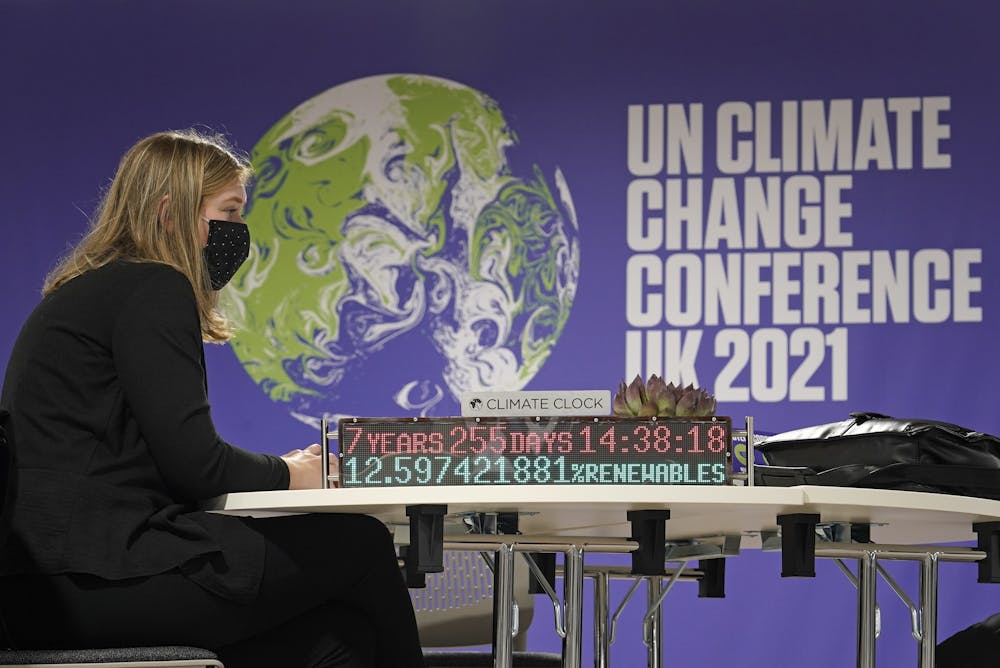 At COP26 today, national, regional and local governments will come together with the private sector to work towards a zero-emission built environment.
Alberto Pezzali/AP
At COP26 today, national, regional and local governments will come together with the private sector to work towards a zero-emission built environment.
Alberto Pezzali/AP
Governments must act now
Existing emissions reduction efforts in the industry now need to be supported and mainstreamed through regulatory change. We also urgently need change in the electricity sector to set us on the path of net-zero emissions.
We can’t afford decisions today that lock in further greenhouse gas emissions.
What happens this week in the COP26 is crucial if we are to work towards a zero-emissions built environment, and achieve the critical goal of limiting warming to 1.5℃ this century.
Authors: Anna Hurlimann, Associate Professor in Urban Planning, The University of Melbourne


















